-
The Rising Tide of Water Insecurity: Moving from Risks to Responses
›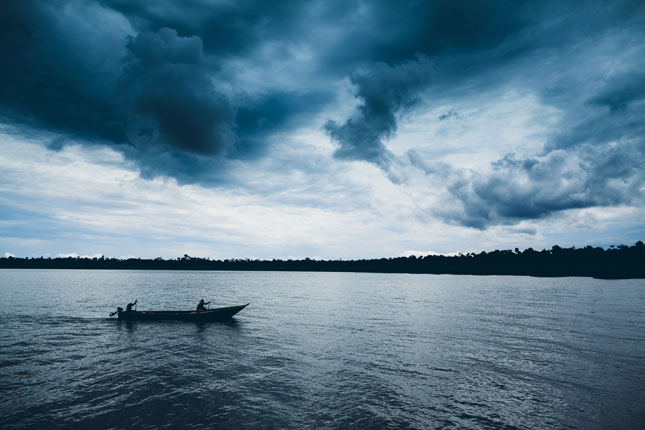
“Water is the frontline of climate change. It’s what every report that you see identifies as the sort of first and foremost effect we see from a climate changing world,” said Sherri Goodman, a public policy fellow at the Wilson Center and formerly of CNA and the U.S. Department of Defense, on October 19.
-
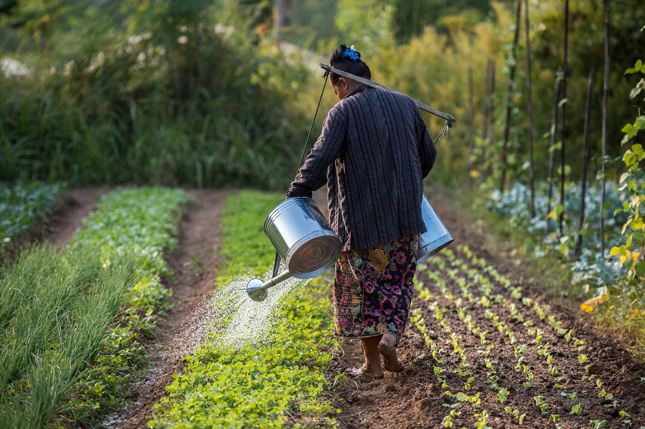
UN Agency Calls for Global Transformation of Agriculture in the Face of a Changing Climate
›November 15, 2016 // By Sreya Panuganti
A recent report by the UN Food and Agriculture Organization (FAO) warns that over the next 15 years, climate change will add to the number of people living in poverty via its effects on the agriculture and food sectors. By 2030, climate-related effects on food-related livelihoods could lead to an additional 35 to 122 million impoverished people, according to the 2016 State of Food and Agriculture Report.
-
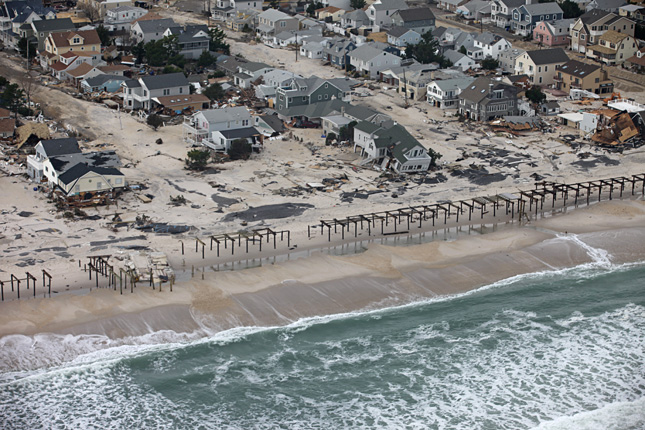
5 Insights and Recommendations for Loss and Damage at COP-22 and Beyond
›November 10, 2016 // By Roger-Mark De SouzaOver the past four years, I have been a member of the Resilience Academy, an initiative of the United Nations University, International Center for Climate Change and Development, and Munich Re Foundation bringing together thinkers from 29 countries to gather insight on climate change resilience and “loss and damage.” Loss and damage has many definitions, but broadly refers to the impacts of climate change that cannot be addressed via adaptation (adjusting to the effects) or mitigation (preventing them from happening at all).
-
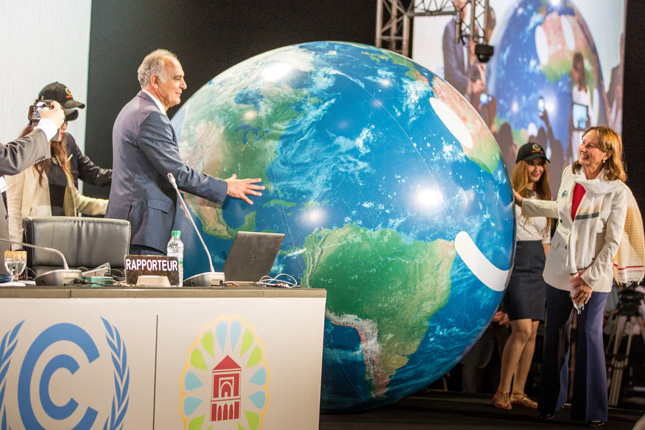
Strategic Ambiguity: How Loss and Damage Became a Part of Global Climate Policy
›As the international community meets in Marrakesh for the climate change negotiations at COP-22, one of the most delicate issues on the table is the review of what’s called the Warsaw International Mechanism for Loss and Damage, or WIM.
-
Could Climate Change Keep Kids Out of School? Q&A With Environmental Sociologist Heather Randell
›Education is seen as a key tool for building resilience to climate change in the developing world. But new research shows that climate change could also make it harder to keep kids in school and ensure they get the best out of their time in the classroom.
-
Necessity Is the Mother of Invention: Islands as the Vanguard of Climate Adaptation
›“Climate change is one of the greatest challenges of our time and it calls for a comprehensive and cooperative international approach like we’ve never seen,” said Jainey Bavishi, associate director for climate preparedness at the White House Council on Environmental Policy, at the Wilson Center on October 5. “The leadership of the island nations is essential; they punch well above their weight on this issue.”
-
Shreya Mitra & Joe Mulligan, Resilience Compass
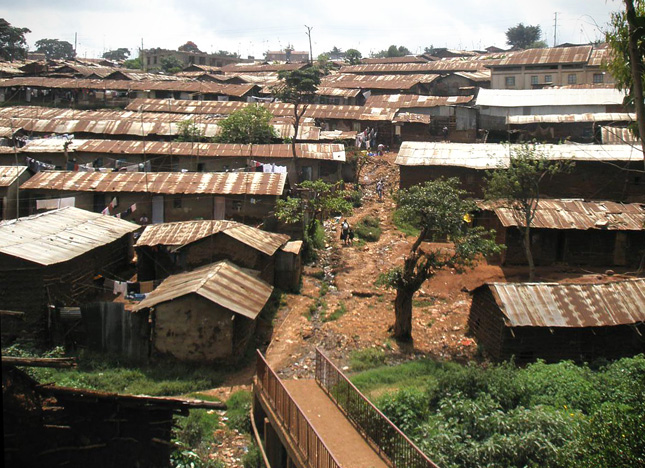
Lessons From Kibera on Risks and Resilience for the New Urban Agenda
›October 20, 2016 // By Wilson Center Staff“By 2050 the world urban population is expected to nearly double, making urbanization one of the 21st century’s most transformative trends.” -Draft “Quito Declaration on Sustainable Cities and Human Settlements for All,” September 2016
-
Preparing the Next National Climate Assessment: An Opportunity to Engage
›In 1990, the U.S. Congress passed the Global Change Research Act “to assist the Nation and the world to understand, assess, predict, and respond to human-induced and natural processes of global change.” Under this mandate, the U.S. Global Change Research Program (USGCRP) was born, an innovative, cross-cutting research initiative that brings together the science arms of 13 federal agencies working on global change issues, including the Departments of Agriculture, Interior, Energy, Defense, the Environmental Protection Agency, the National Oceanic and Atmospheric Administration, and others.
Showing posts from category risk and resilience.