-
Assessing and Managing Risk along the Mississippi River Corridor
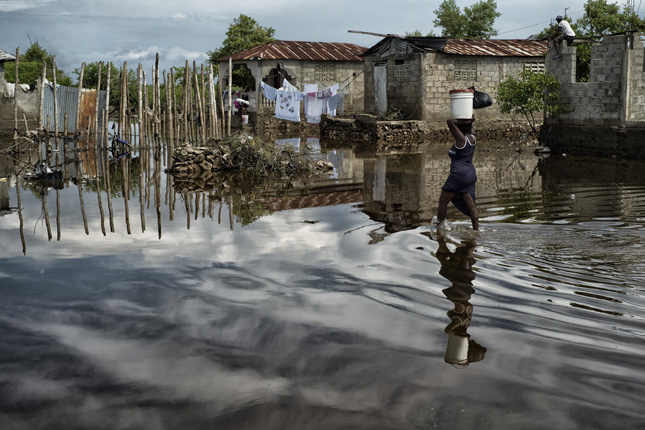
›From the Wilson Center // Urban Sustainability Laboratory // March 14, 2018 // By Wilson Center StaffThe Mississippi River Valley has been hit by droughts, floods, extreme heat, and tornadoes that resulted in damages totaling over $50 billion since 2011. From 2005 to 2017, that total eclipses $200 billion with each effected state incurring a minimum $5 billion in damages. One positive result in reaction to those natural disasters was the formation of the Mississippi River Cities & Towns Initiative (MRCTI), a coalition of mayors focused on resilience and adaptation programs. Last week, mayors of the ten states along the river met with leaders from the global and North American insurance industry to discuss reducing vulnerabilities and building resilience in the face of climate-related disasters.
-
Urban Risk or Resilience? Opportunities for Improving Informal Settlements in Urban Africa
›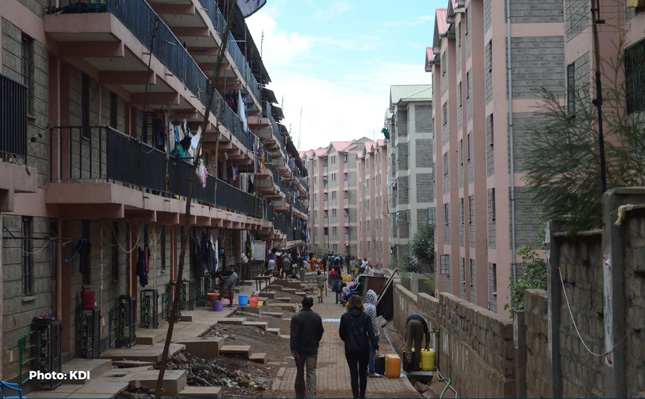
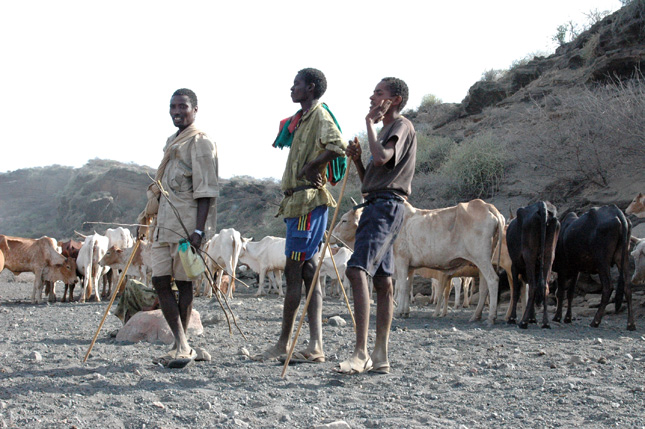
“Most risk in African cities is not catastrophic. It’s not even episodic, but it is every day,” said Mark Pelling, a professor at King’s College, London, at a recent event on urban risk and resilience in sub-Saharan Africa. With rates of rural-to-urban migration reaching record highs, more than half of the urban residents in sub-Saharan Africa live in informal settlements, where they lack basic infrastructure and access to critical resources. Integrated projects like Pelling’s Urban ARK seek to build more resilient communities in cities and informal settlements. “African cities are dynamic and are growing,” said Pelling—but so is the vulnerability of their residents to environmental change, natural disasters, and conflict.
-
From Communities to Landscapes: Multi-Scale Approaches to Climate Adaptation in Nepal
›
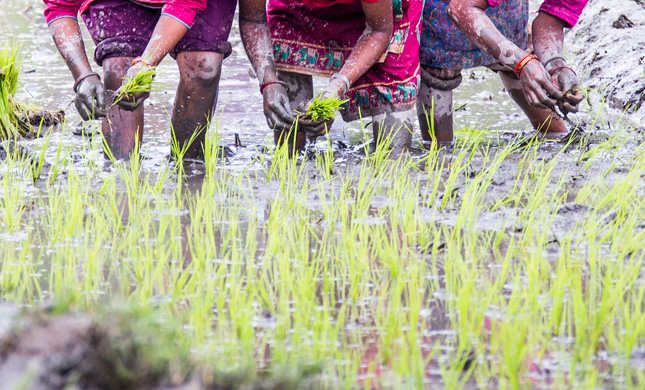
“Some people are more vulnerable than others” to climate change, said Judy Oglethorpe, senior director of Multilateral Program Development of the World Wildlife Fund-US (WWF) at a recent event on climate change, biodiversity, and livelihoods. Oglethorpe is the chief of party for the Hariyo Ban (Green Forests) Program, which seeks to increase ecological and community resilience to climate change in two biodiverse landscapes in Nepal. Taking a “multi-scale approach let[s] us focus on the most vulnerable people,” said Oglethorpe, and “work at different scales and across different disciplines…to reduce people’s vulnerability.”
-
The Role of Water Stress in Instability and Conflict
›As senior military officers, we see water stress—the lack of adequate fresh water—as a growing factor in the world’s hotspots and conflict areas, many of vital interest to the United States. Our earlier reports have identified a nexus among climate, water, energy, and U.S. national security. We have previously shown how emerging resource scarcity across this nexus can be a threat multiplier and an accelerant of instability. With escalating global population and the impact of a changing climate, we see the challenges of water stress rising with time. It is in this context that we now seek to provide a better understanding of the mechanisms through which water factors into violence and conflict.
-
Indian Military Recognizes Environment as “Critical” Security Issue, But Response Is Still Fragmented
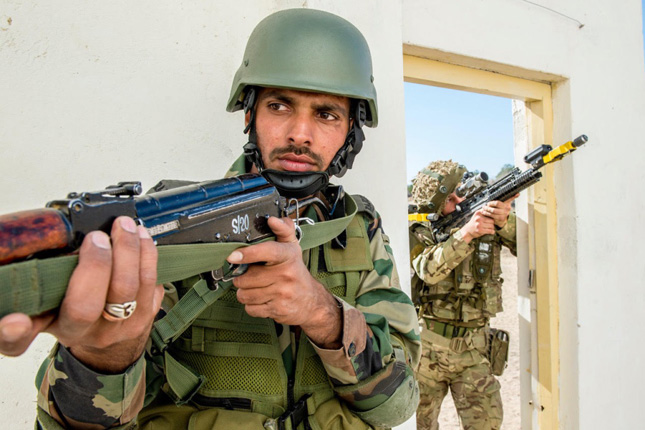
›For the first time, the Joint Doctrine of the Indian Armed Forces acknowledges that the “environment has emerged as a critical area of the security paradigm,” and warns that if environmental degradation and related issues increase security risks, the military will need to respond. Released in 2017, the doctrine lists a series of non-traditional security challenges linked to the environment that could influence conflict and war, including “climate change, ecosystem disruption, energy issues, population issues, food-related problems, economic issues of unsustainable modes of production, and civil strife related to environment.” While the military has taken steps to address its impacts on the environment, it can do much more to support the nation’s environmental goals and mitigate environment-related security risks.
-
Respect for Creation: Leaders and Religious Groups Confront Climate Change in the Caribbean and South Pacific Islands
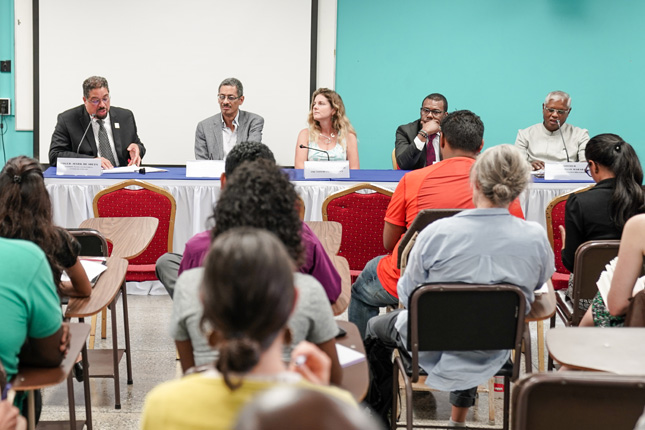
›Climate change is “unfolding as we speak,” said John Agard, professor of Tropical Island Ecology at the University of the West Indies (UWI) at a recent public forum on island nations hosted in Trinidad by UWI’s Institute of International Relations. The “close coupling of terrestrial, coastal, and marine systems” in islands “results in fast-spreading impacts across systems,” said Roger-Mark De Souza¹, formerly the director of population, environmental security, and resilience for the Wilson Center, which partnered with UWI and American University’s Center for Latin American and Latino Studies to organize the event.
-
The Big Picture: Measuring Efforts to Build Resilience
›“Resilience isn’t an outcome,” said USAID Resilience Coordinator Greg Collins at a recent Wilson Center event on measuring resilience; it is “the ability to manage adversity and change without compromising future well-being.” The wide array of individual factors that contribute to building resilience—ranging from livestock insurance and microsavings, to risk tolerance and women’s decision-making—can be challenging to measure individually, let alone in concert. But this assessment is essential for designing and implementing successful development projects: “We have to be able to answer the question: Is this building resilience, yes or no?” said Cornell University’s Chris Barrett.
-
“Let’s Start From Here”: Local Solutions for Loss and Damage and Livelihood Resilience
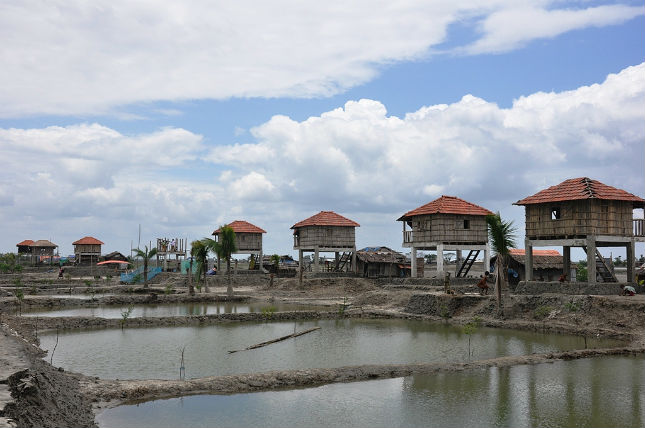
›Without warning, water rushed into a woman’s home on a raised platform above the floodplain of Bangladesh’s Teesta River. She was just a hand’s distance from her infant son, but she couldn’t stop him from falling into the floodwaters. “She can’t recover back from the trauma,” said the University of Dundee’s Nandan Mukerjee of the mother who lost her child to the currents of climate change.
Showing posts from category risk and resilience.