-
How Gum Acacia Trees Could Help Build Peace in the Sahel
›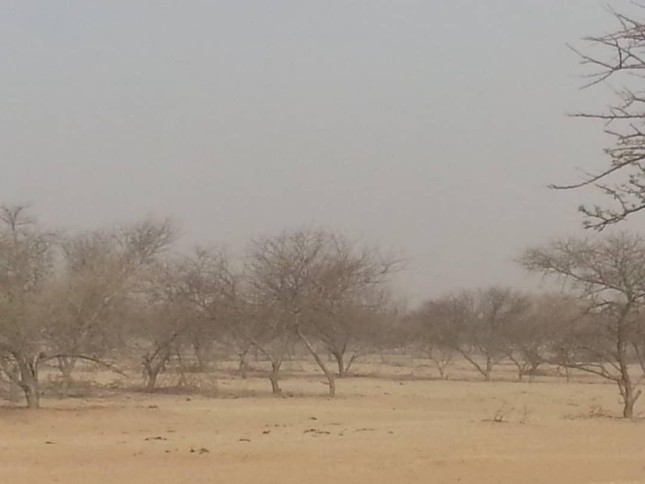
A special type of tree could facilitate peacebuilding in the Sahel. A stretch of semi-arid land south of the Sahara that runs from the Red Sea to the Atlantic Ocean through 10 countries (Eritrea, Sudan, Chad, Niger, Nigeria, Burkina Faso, Mali, Algeria, Mauritania, and Senegal). But the western subregion covering the Lake Chad area (the intersection of Chad, Cameroon, Nigeria, and Niger) and Liptako-Gourma (the tri-border zone of Burkina Faso, Mali, and Niger) in the Sahel has been the scene of a growing humanitarian crisis. Armed groups are terrorizing local populations. Rampant insecurity has forced 1 million people to flee their homes. People have been cut off from their livelihoods. Food insecurity is worsening. Casualties continue to mount. And climate change will likely exacerbate conditions, forcing more people to compete for depleted forest resources and land. More food shortages and instability will surely follow.
-
Paying for the Spout: Innovative Financing Could Expand Access to Water
›Water Security for a Resilient World // March 2, 2020 // By Wania Yad, Amanda King, Kelly Bridges & Thomas Boynton
Safe water, sanitation, and hygiene (WASH) are vital for human well-being. However, 1 in 3 people (approximately 2.2 billion) still lack safe drinking water, 4.2 billion do not have access to safely managed sanitation services, and 829,000 people die annually from unsafe water and related sanitation and hygiene around the world.
-
Why Climate and Conflict Are Shaping the Crises of Our Time (And What To Do About It)
›Humanitarian need is increasing. Crises are becoming more complex through the interactions between climate change, disasters, and conflicts. Not only are humanitarian crises on the rise, but the nature of crises is changing, largely due to climate change-driven extremes such as floods, droughts and typhoons. Over 90 percent of disasters are believed to be related to climate. -
Common Climate Impact Assessments Underestimate Future Vulnerability
›Climate-related disasters are a major source of human and material losses. Poverty and low level of economic development are important determinants of environmental vulnerability. Achieving stable and sustainable development thus represents an important strategy to reduce adverse impacts of climate change. However, present efforts to evaluate possible consequences of climate change in the future suffer from too optimistic assumptions about economic growth in poor countries, as we document in a new article just published in the journal Global Environmental Politics.
-
Disasters Have Changed. So Must Our Response.
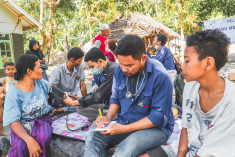
›As disasters have changed over the years, so must the personnel who manage these crises.In 1932, sociologist Lowell Carr first described a predictable pattern of how disasters impact society. Refined over the decades by many researchers, the “disaster cycle” includes four phases: prevention, preparedness, response, recovery and rehabilitation.
This disaster cycle helped define the way societies respond to each disaster. Today, highly trained emergency personnel using many research, management, and epidemiological skills have helped improve survival and health outcomes after disasters. “Disaster medicine” now defines a sub-specialty for highly skilled professional health specialists. However, their many activities and skill sets primarily focus on only the response phase of the initial disaster cycle.
-
Foresight for Action | Improving Predictive Capabilities for Extreme Weather and Water Events in Pakistan
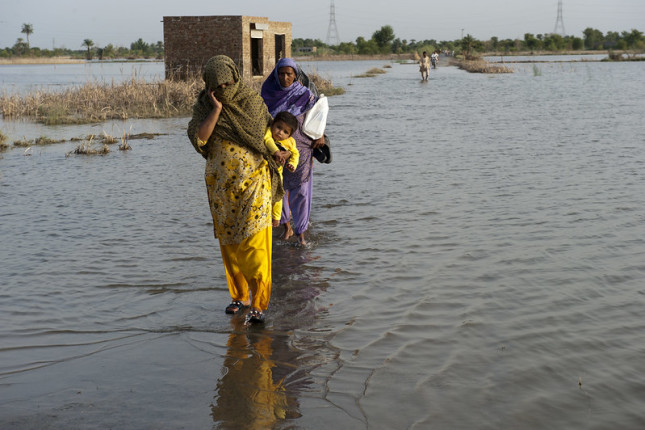
›Pakistan ranks eighth on the list of countries most affected by extreme weather events (1998–2017 data), according to the 2019 Global Risk Index. With increasing global temperatures, severe weather and water events, like monsoons and droughts, are likely to become even more frequent and extreme in the future. Since the 1960s, Pakistan has observed changes in temperature and precipitation. By the end of the century, Pakistan’s temperatures are expected to be significantly higher than the global average.
-
Foresight for Action | Weathering the Storm: Improving Predictive Capabilities for Extreme Weather and Water Events in the Caribbean
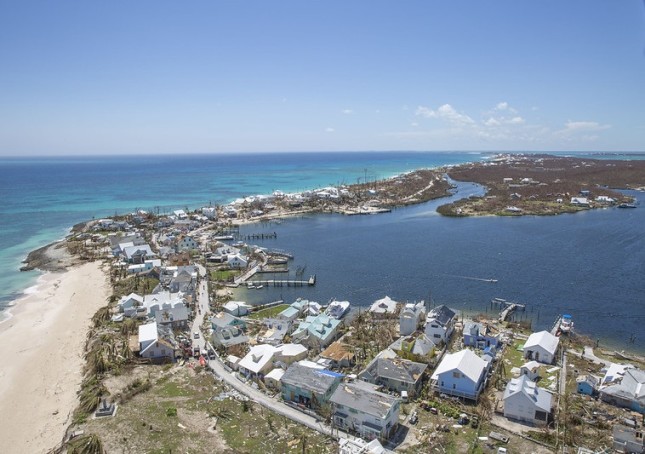
›For two weeks, Hurricane Dorian, one of the strongest hurricanes to make landfall in the Pacific, decimated large swaths of the Caribbean displacing 70,000 people and killing at least 50. Natural disasters like Hurricane Dorian in the Caribbean have only been worsening over the last decade, a trend often attributed to warming oceanic and atmospheric temperatures. -
Foresight for Action | Ecosystem Degradation, Transnational Migration, and Political Instability: Three Main Tipping Points for East Africa
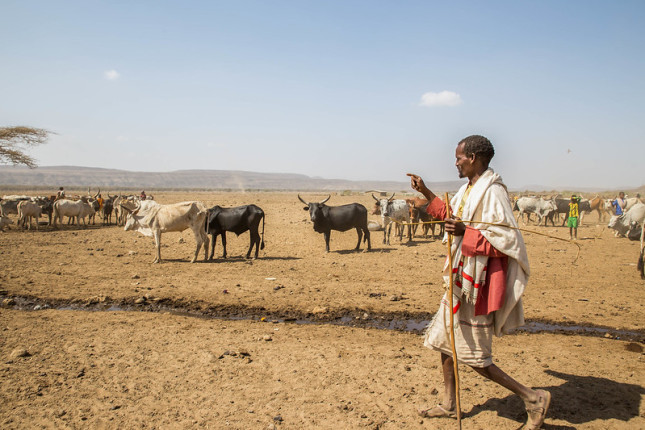
›The Horn of Africa faces critical security and climate risks. Persistent droughts have precipitated the onset of food insecurity and waterborne disease, while heavy rain events such as Cyclone Sagar have caused widespread flooding, mudslides, and wind damage. These challenges are increasing in severity against a backdrop of changing demographic trends—including rapid population growth, increased migration, and urbanization—and power struggles both within and between countries in the region.
Showing posts from category risk and resilience.
 Humanitarian need is increasing. Crises are becoming more complex through the interactions between climate change, disasters, and conflicts. Not only are humanitarian crises on the rise, but the nature of crises is changing, largely due to climate change-driven extremes such as floods, droughts and typhoons. Over
 As disasters have changed over the years, so must the personnel who manage these crises.