-
Climate and Coastal Adaptation: The Need for Urgent Planning
›
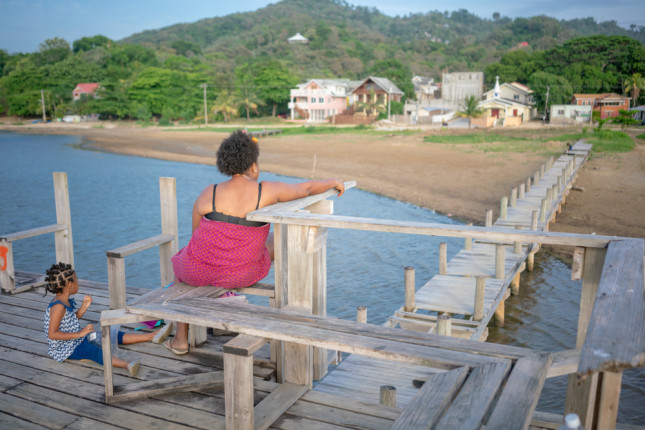
The latest report from the UN’s Intergovernmental Panel on Climate Change highlights the small window of opportunity available to achieve climate resilient development, despite the growing risks of reaching tipping points. Environmental advocates argue that the UN’s warnings should remain front-and-center, including those that highlight worsening climate trends already experienced by developing nations.
-
Climate Security in The Horn: Crafting a Broader Role for Non-State Actors in IGAD
›
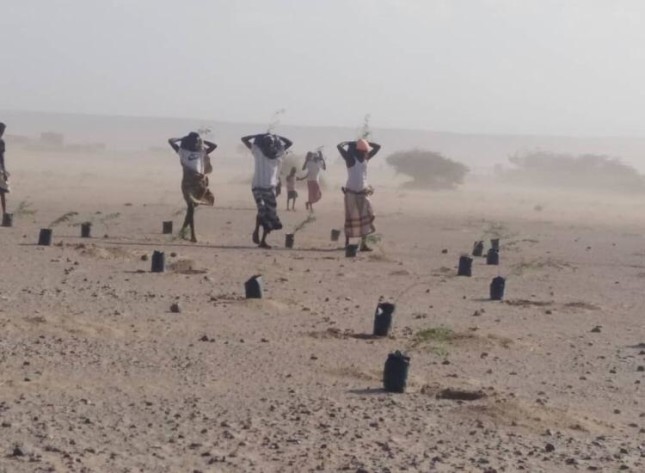
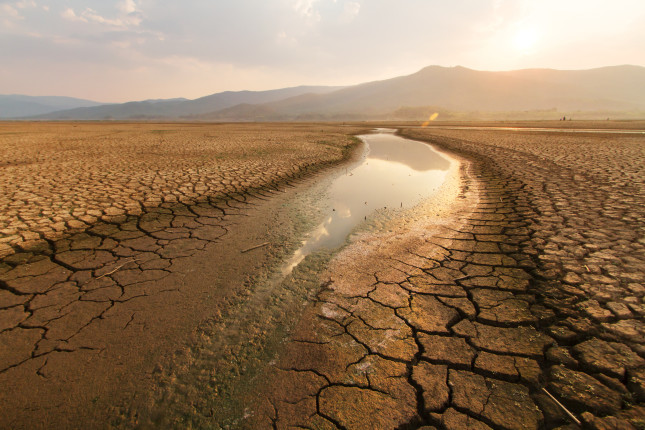
The Horn of Africa now faces an unprecedented drought, with conditions not seen in the last 40 years. The implications of this looming catastrophe reach beyond the most recent severe drought periods in the region, which occurred in 2010 and 2011 and again in 2016 and 2017.
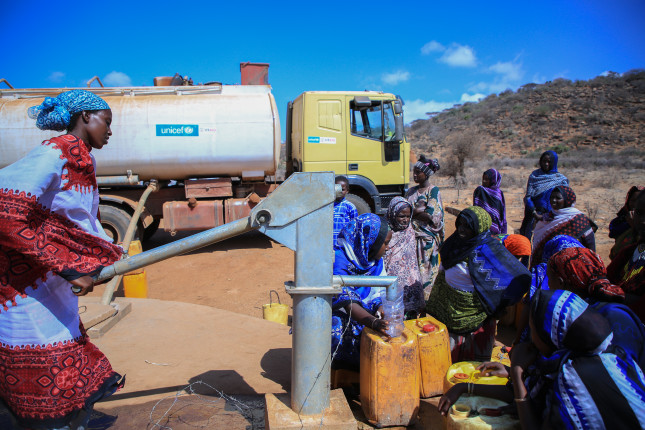
As of November 2022, over 36 million people in the Horn were affected by drought, including 24.1 million in Ethiopia, 7.8 million in Somalia, and 4.2 million in Kenya. More than 20 million children in Djibouti, Ethiopia, Kenya, and Somalia need immediate water and food assistance. In addition, nearly 1 million pregnant and lactating women are acutely malnourished. Since mid-2021, more than 9.5 million livestock have perished in the region due to a lack of water, starvation, and disease.
-
Living on the Edge: Who’s Ready for Climate Tipping Points?
›Climate impacts are growing more frequent and severe as global temperatures rise. Weather-related disasters have seen a five-fold increase over the past half-century. In many cases, these calamities are already testing the adaptation capabilities of vulnerable communities across the world. If emissions follow the trajectory set by current country targets, the chance of temporarily overshooting the 1.5 °C target in the next five years is 48 percent.
This failure would have implications for the global economy and international security. Yet despite the fact that climate change shapes geopolitics, climate risk itself has rarely been featured in international geopolitics and diplomacy.
-
Beyond a “Threat Multiplier”: Exploring Links Between Climate Change and Security
›Ever since the CNA’s Military Advisory Board—composed of former U.S. military personnel—named climate change as a “threat multiplier” in a 2007 report, the term has gained widespread currency both in environmental and national security circles. It also has propelled the need to assess and address climate-related security risks higher up overall policy agendas.
-
Climate Resilience for Whom? The Importance of Locally-Led Development in the Northern Triangle
›“One of the challenges of responding to climate risks is that climate’s impacts and how those impacts interact with existing systems on the ground are so varied and specific to a given place,” said Lauren Risi, Director of the Wilson Center’s Environmental Change & Security Program, at a recent PeaceCon conference panel on climate change, violence, and migration in Central America. “But there is also an opportunity in how we respond to develop more agile, just, and sustaining programs and policies that go beyond a singular focus on responding to climate change and instead build the overall resilience of communities.”
-
Food and Water Security Solutions: Reflections on Mitigating Climate-induced Population Displacement in Africa
›Almost two years after Cyclone Idai hit Mozambique, Zimbabwe, and Malawi, thousands of people remain displaced. At the time, Idai was the most powerful cyclone to hit the Southern Hemisphere in two decades, but it is no longer an anomaly. Worse, the Word Bank reports that climate change can potentially wipe out decades of social and economic progress in the developing world by displacing millions of people, many of whom will be pushed into poverty. Food and water insecurity connected to climate hazards—particularly in places dependent on agriculture—is a major factor which has forced families and whole communities to relocate for safety and subsistence.
-
COVID-19 Pandemic Exacerbates Violence Against Refugee Women and Girls
›Currently, refugee women and girls are facing three concurrent crises: their ongoing humanitarian crisis, the health crisis of the COVID-19 pandemic, and the invisible crisis of gender-based violence (GBV). COVID-19 has severely worsened various dimensions of inequality for refugee women and girls. A 2020 report found that 73 percent of forcibly displaced women interviewed across 15 African countries reported elevated cases of domestic or intimate partner violence due to the pandemic. In addition, 51 percent reported sexual violence and 32 percent observed a rise in early and forced marriages.
-
The Fight for Climate After COVID-19: A Conversation With Sherri Goodman and Author, Alice Hill
›The impacts of COVID-19 have shown policymakers that we need to invest in infrastructure and shore up existing systems to ensure that they can withstand changing conditions over time, says Alice Hill, former special assistant to President Barack Obama and current senior fellow at the Council on Foreign Resilience, in this week’s New Security Broadcast. “As we go forward, we need to have resilient systems. But we haven’t done that yet, we’re unprepared.” Hill sat down with Sherri Goodman, Senior Fellow at the Wilson Center’s Environmental Change and Security Program and former U.S. Deputy Undersecretary of Defense, to her new book, The Fight for Climate After COVID-19, and how the response to COVID-19 can inform approaches to building climate resilience.
Showing posts from category risk and resilience.