-
ECSP Weekly Watch: March 4 – 8
›
A window into what we are reading at the Wilson Center’s Environmental Change and Security Program
Climate Change Disproportionately Impacts Rural Women (U.N. Food and Agriculture Organization)
A recent report by the U.N. Food and Agriculture Organization analyzed data from 24 low- and middle- income countries (LMICs) across five regions and over 100 thousand rural households to measure the impacts of climate change on rural women, youth, and people living in poverty. It found that climate change’s impacts disproportionately impact households headed by women, with income losses due to extreme heat (8% income loss) and flooding (3% income loss), relative to households led by men. The income gap between men and women was also widened as a result.
-
New Security Broadcast | Sarah Ladislaw on US Climate Security and “Mutually Assured Resilience”
› In today’s episode of New Security Broadcast, ECSP Program Director Lauren Risi speaks with Sarah Ladislaw, Special Assistant to the President and Senior Director for Climate and Energy at the National Security Council (NSC). In the conversation, Special Assistant Ladislaw describes her role at the NSC and the most pressing climate security challenges facing the US. She also reflects on her recent address at the Munich Security Conference, and her vision for achieving “mutually assured resilience.”
 -
Clearing War Debris Can Help Ukraine Move Forward
›When Russia launched its brutal invasion of Ukraine on February 22, 2024, Western nations supported Ukraine with military and financial aid. But over two years, the cost of the war has been devastating—not only in terms of lives lost, and injuries sustained, but also in the number of buildings destroyed. According to some estimates, more than 150K structures have been damaged in the conflict.
-
Relief, Recovery, and Peace: A Follow-up Interview with DAS Iris Ferguson
›In today’s episode of New Security Broadcast, ECSP Program Director Lauren Risi follows up with Iris Ferguson, the US Department of Defense’s (DoD) Deputy Assistant Secretary of Defense for Arctic and Global Resilience, on their previous conversation previewing the DoD delegation to COP28.Deputy Assistant Secretary Ferguson discusses her takeaways from COP28 and the importance of listening to stakeholders outside the Pentagon. She also outlines some of DoD’s key energy and climate security priorities in 2024.
-
The Complicated Relationship Between Climate, Conflict, and Gender in Mozambique
›Guest Contributor // February 12, 2024 // By Gracsious Maviza, Mandlenkosi Maphosa, Giulia Caroli, Thea Synnestvedt & Joram TarusariraIndividuals face immense challenges in displacement contexts, particularly where climate, conflict, and displacement intersect. In Mozambique, climate impacts have combined with conflict to displace nearly a million people. Entire livelihoods, identities, and stability are vanishing. Women, men, girls, and boys are not just losing homes; they are losing their place in traditional societal roles, too. This chaos—and responses by the international community—are reshaping Mozambique’s gender dynamics. -
Weakened Infrastructure and Climate Change: The Threat to Water Security in Nineveh
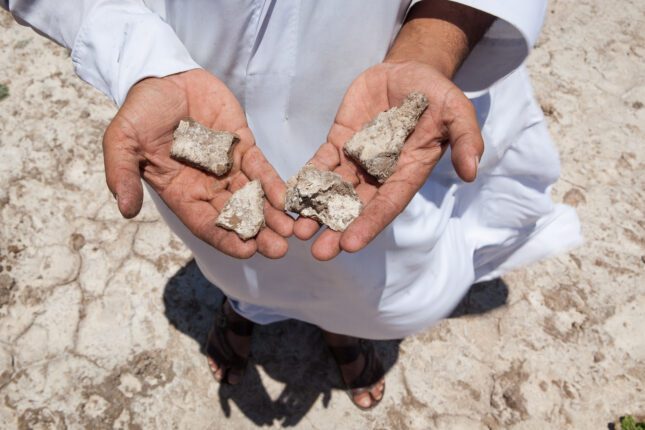
›Iraq is incredibly vulnerable to the impacts of climate change. Temperatures are increasing, rainfall is decreasing, and the country experiences prolonged periods of drought. These conditions, as well as the destruction of wells and irrigation systems in the Islamic State’s (IS) targeted 2014-2017 campaign to destroy agricultural livelihoods, have created a growing water problem in Iraq’s Nineveh Plains. Indeed, water levels there have dropped low enough to subject crops to drought stress, endangering drinking water systems and affecting the ability to grow crops and raise livestock.
-
ECSP Weekly Watch | January 29 – February 2
›A window into what we are reading at the Wilson Center’s Environmental Change and Security Program
Climate Change Worsens Human Trafficking of Impoverished Sierra Leoneans (Al Jazeera)
Poverty leaves many vulnerable to human trafficking in Sierra Leone. Youth unemployment is almost 60% there, and most of the population lives on less than $3 per day. Victims are offered employment, largely in the service industry. Yet when they arrive in their country of employment, their passports may be seized and they are forced into unpaid labor, often coupled with sexual abuse especially for young women.
-
Environment and Security | Q&A with Editor in Chief, Ashok Swain
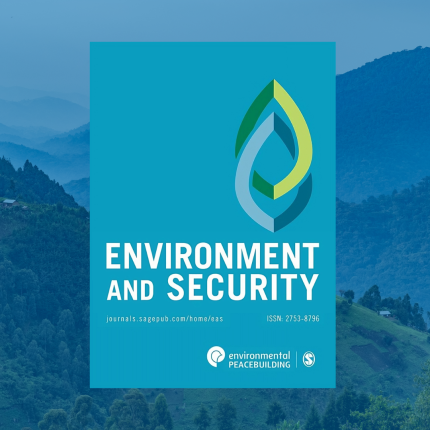
›From Afghanistan, Nepal, and Libya to the Arctic, the new issue of Environment and Security takes a fresh look at emerging issues at the intersection of environment and security. Ashok Swain, Editor in Chief of Environment and Security, spotlights some of the new research and insights in this Q&A with ECSP staff.
Q: The new issue of Environment and Security features an article on Arctic governance, including a close examination of the International Code for Ships Operating in Polar Waters (Polar Code). How do the authors assess this regulatory instrument as it enters its 10th year since adoption?
Showing posts from category risk and resilience.
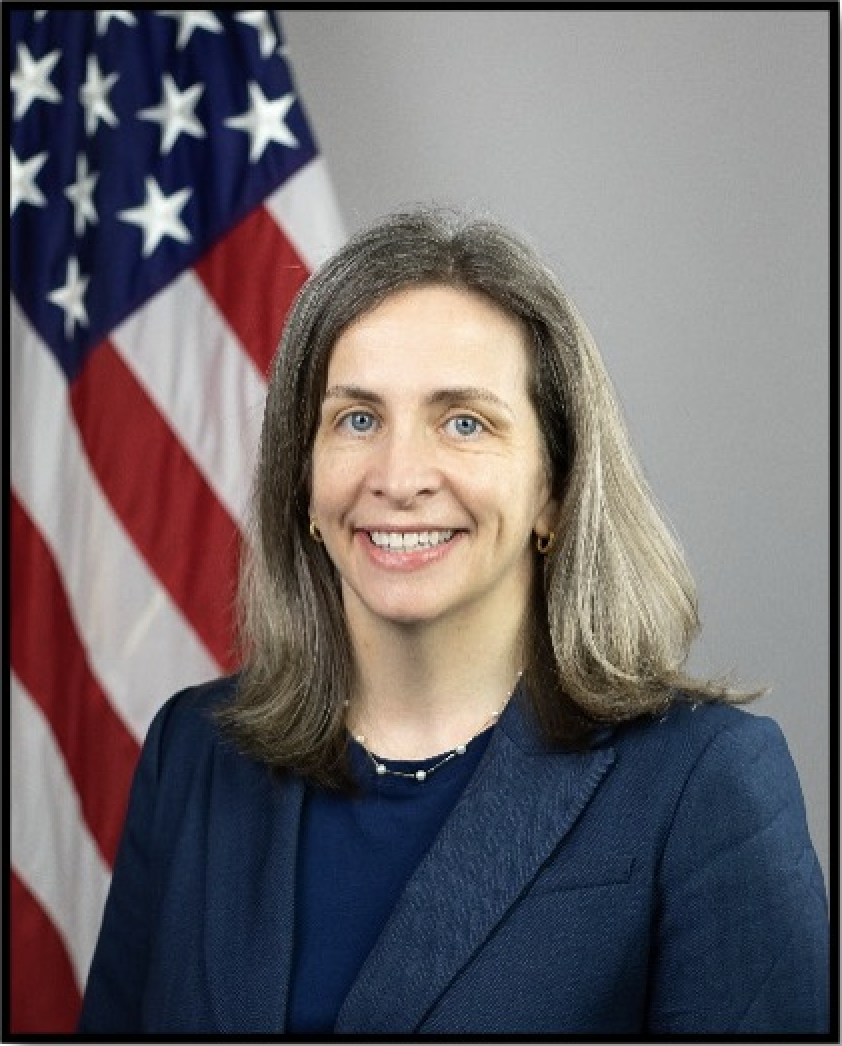 In today’s episode of New Security Broadcast, ECSP Program Director Lauren Risi speaks with Sarah Ladislaw, Special Assistant to the President and Senior Director for Climate and Energy at the National Security Council (NSC). In the conversation, Special Assistant Ladislaw describes her role at the NSC and the most pressing climate security challenges facing the US. She also reflects on her recent address at the Munich Security Conference, and her vision for achieving “mutually assured resilience.”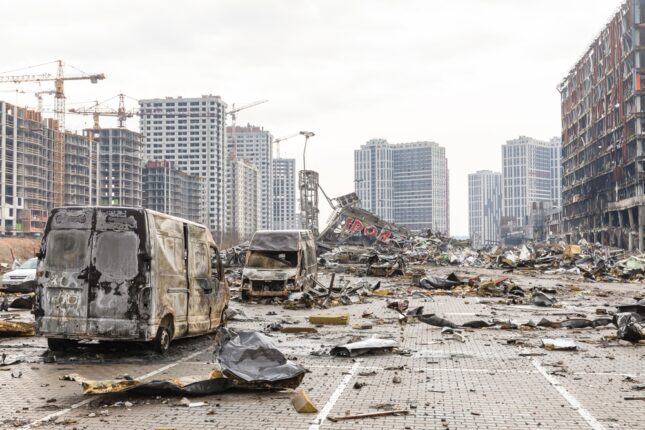
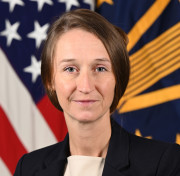 In today’s episode of New Security Broadcast, ECSP Program Director Lauren Risi follows up with Iris Ferguson, the US Department of Defense’s (DoD) Deputy Assistant Secretary of Defense for Arctic and Global Resilience, on their previous conversation previewing the DoD delegation to COP28.
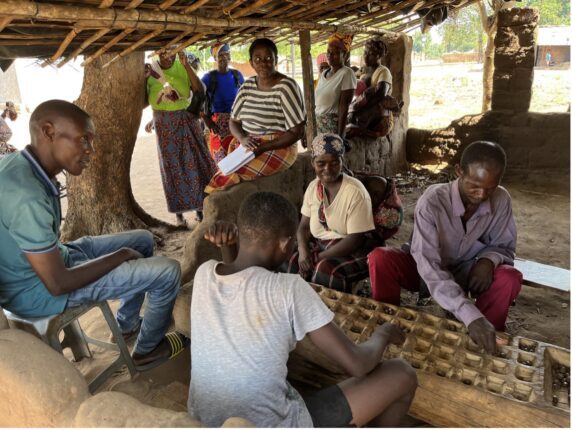 Individuals face immense challenges in displacement contexts, particularly where climate, conflict, and displacement intersect. In Mozambique, climate impacts have combined with conflict to displace nearly