-
Environmental Security Weekly Watch: March 30-April 3, 2026
›
A window into what we’re reading at the Stimson Center’s Environmental Security Program
Experts Sound Alarm Over Peru-Brazil Biooceanic Railway Risks (Mongabay)
A proposed railway linking Peru’s Pacific coast to Brazil’s Atlantic is drawing alarm from conservation experts and Indigenous rights advocates. Brazil and China signed a feasibility study agreement for new route crossing both the Andes and the Amazon rainforest in July 2025, with China playing a central role in financing and development. Two alternatives are under consideration, with one running through Peru’s Ucayali region and the other through Madre de Dios, but neither has been approved. A single line could impact 15 protected natural areas, threatening over 1,800 campesino communities, as well as territories inhabited by Indigenous peoples in voluntary isolation.
-
Bogotá to Belém: The Unfinished Business of Integrating SRHR into Climate Action
›
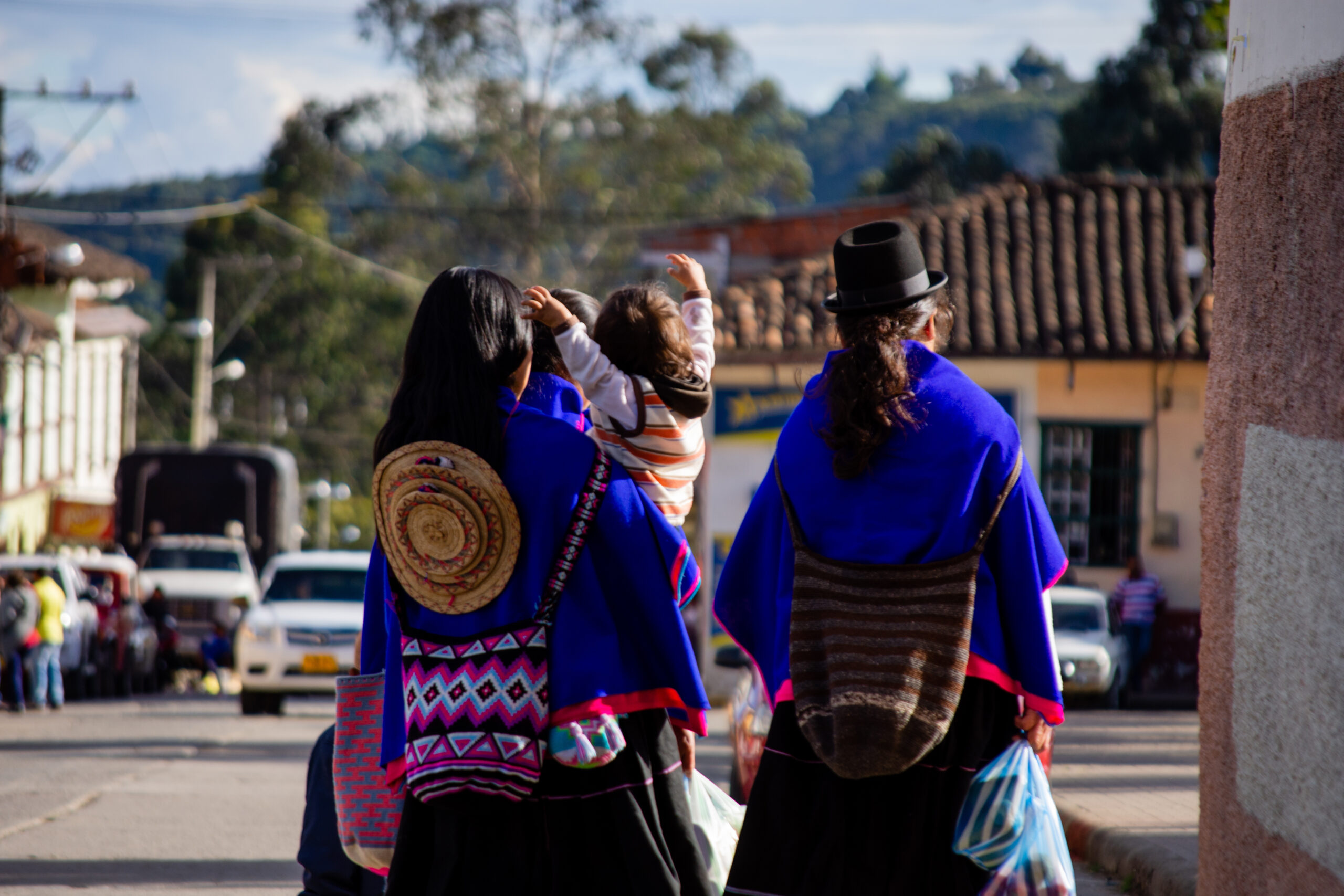
Journeying from November 2025’s International Conference on Family Planning (ICFP) in Bogotá to the UN climate negotiations in Belém the following month revealed a fundamental tension. Evidence increasingly shows that climate justice requires reproductive justice, yet translating that recognition into policy commitments continues to raise political apprehensions among stakeholders.
-
Pakistan’s Floods Expose Deep Gender Divides
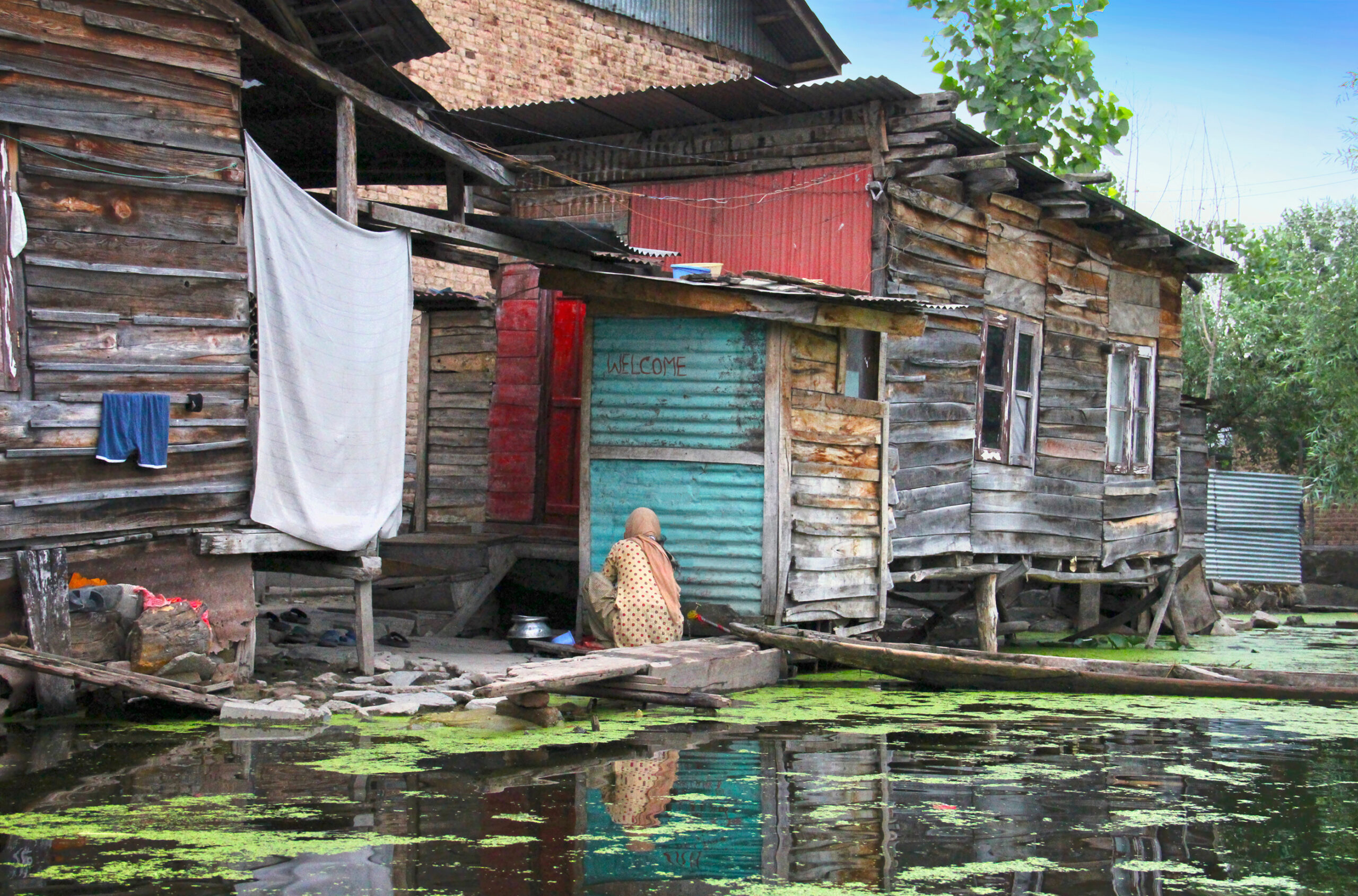
›While global climate leaders met in Brazil last month for the 30th annual global climate summit (COP30), Pakistani women and children continued to deal with the aftermath of the flooding that hit Pakistan this past summer.
-
Gender Confluences and Divides: Insights from a New Afrobarometer Survey
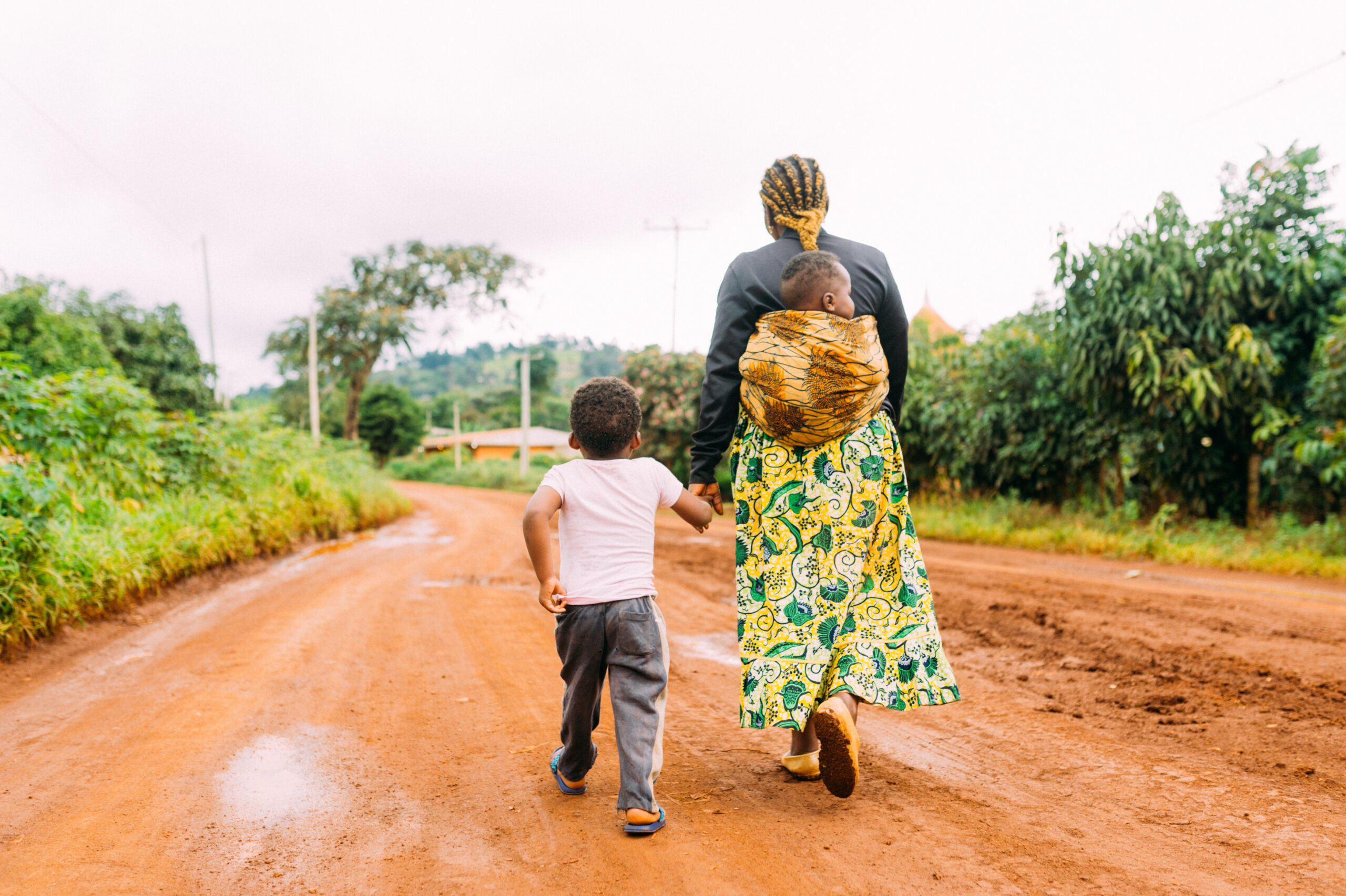
›The latest poll in a series of Afrobarometer surveys reveals just where Africans unite on sexual and reproductive health and rights (SRHR)—and where they diverge. There is strong support for women’s autonomy in marriage and reproductive decisions, but clear divisions on contraceptive access.
-
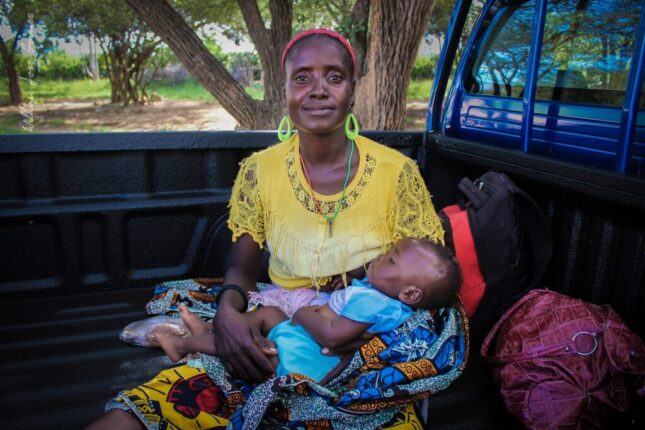
Obstetric Violence in Sub-Saharan Africa: The Struggle for Dignified Maternal Care
›In August 2013, Josephine Majani, a mother of three from Bungoma County in Kenya, endured a harrowing birth experience. Despite her repeated pleas for help during labor, the nurses in the hospital ignored her. She struggled to walk to the labor ward while in intense pain, but all of its beds were occupied. Majani was forced to give birth on the cold concrete floor. Subsequently, nurses there subjected her to verbal and physical abuse—even making her carry her placenta back to the labor ward.
-
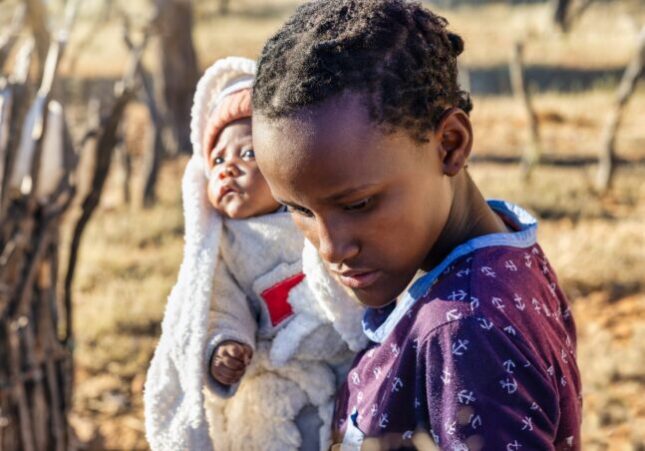
Essential and Overdue: Quality Care for Adolescent Mothers and First-Time Parents
›Maternal health among adolescents in low- and middle-income countries (LMICs) remains a largely unexplored and frequently neglected area within the public health field. Adolescent birth rates remain disproportionately high in LMICs, accounting for approximately 97% of all adolescent births globally. The prevalence of child marriage, poverty, gender-based violence, and limited access to and utilization of contraceptive methods all contribute to this startling statistic.
-
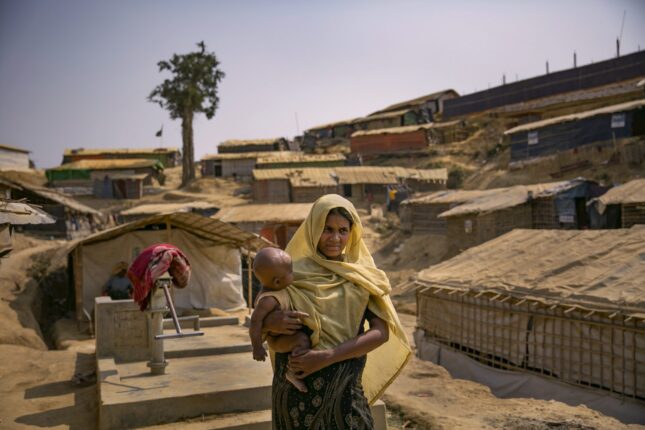
As Humanitarian Crises Grow, So Do Risks for Women and Newborns
›Dot-Mom // November 13, 2024 // By Sarah B. Barnes, Dr. Claudia Donkor, Deborah Denis, Mushtaq Khan, Jihan Salad, Harriet Ruysen, Rondi Anderson & Hani Rukh-E-QamarDuring humanitarian emergencies, women and newborns face severe disparities and heightened vulnerabilities, increasing their risk of illness and death. Humanitarian crises—caused by conflict, climate-related disasters, or forced displacement—disrupt health systems, limit access to essential services, and increase the likelihood of preventable deaths. In 2023, 58% of global maternal deaths, 50% of newborn deaths, and 51% of stillbirths worldwide occurred in the 29 countries with a UN humanitarian response plan or regional response plan. In humanitarian emergencies, a lack of skilled health personnel, inadequate infrastructure, and shortages of essential medicines are common—resulting in limited access to both basic and emergency maternal and newborn care. A fight for humanitarian aid is also a challenge, as maternal and newborn health are often under-prioritized or neglected in humanitarian response.
-
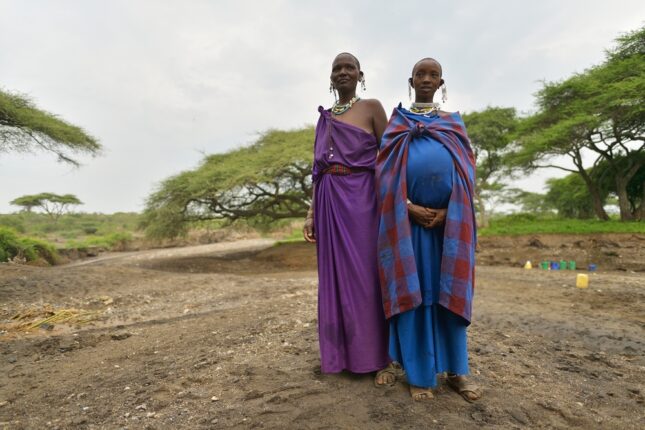
Afro-Descendant Women and Girls Deserve Culturally Relevant Healthcare and Better Data
›A recent study from the United Nations Population Fund (UNFPA) and its partners found that women and girls of African descent living in the Americas are up to three times more likely to die from preventable maternal death causes. So it is no surprise that UNFPA’s Executive Director of Programs, Diene Keita, is calling attention to this challenge.
Showing posts from category sexual and reproductive health.