-
A Sister Cities Coalition Builds Peace Through Water in the Lower Jordan Valley
›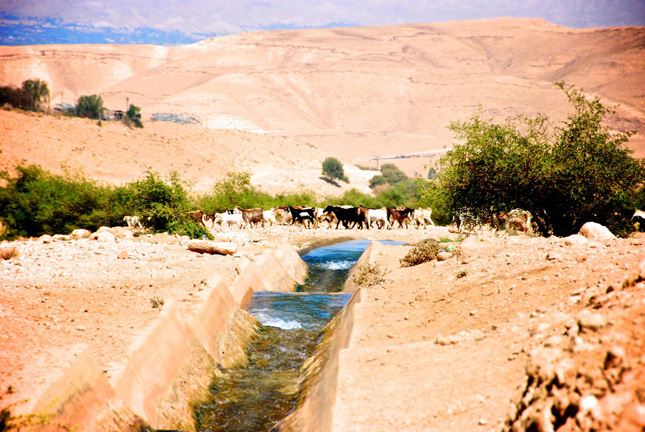
Water is a key ingredient for peace, especially in the Middle East. The Jordan River, which forms the border between Israel, the Palestinian West Bank, and Jordan, is central to the interrelated political and environmental challenges facing the region. Addressing these challenges requires not only high-level diplomacy but also direct, people-to-people engagement, which can form lasting relationships that go beyond water, said experts at the Wilson Center on October 17. [Video Below]
-
Integrated Development Programs Work to Expand Conservation and Health Efforts in Uganda and Madagascar
›
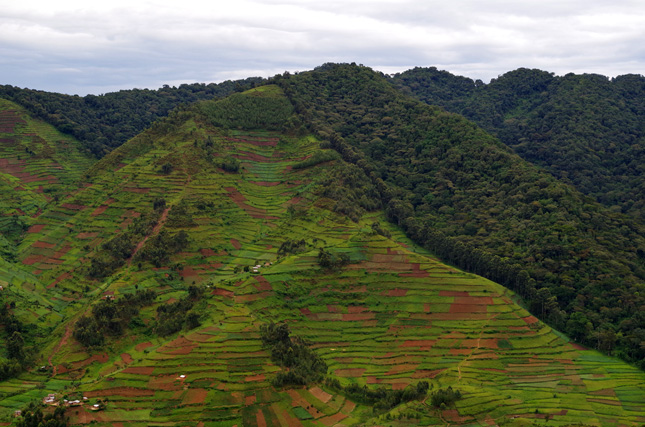
As is becoming clear, climate change, environmental degradation, population, and poverty alleviation are inextricably linked in many parts of the world. [Video Below]
-
New Network Links Madagascar’s Environment and Health Sectors
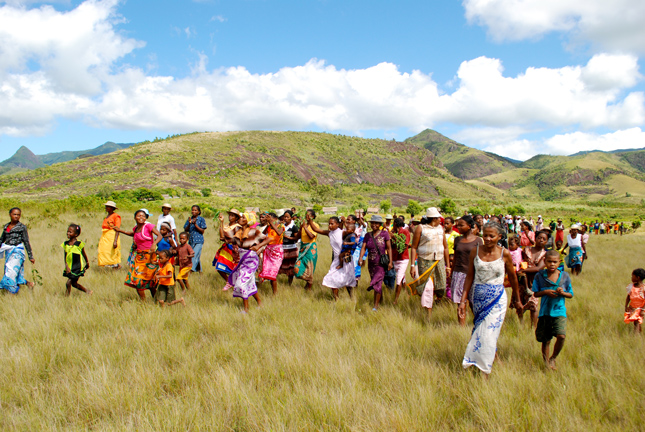
›As the international community seeks to articulate a collective vision for sustainable development following the Millennium Development Goals, a vibrant new network has emerged in Madagascar to advance integrated population, health and environment (PHE) initiatives across this island nation.
-
Book Review: ‘Oil Sparks in the Amazon: Local Conflicts, Indigenous Populations, and Natural Resources’
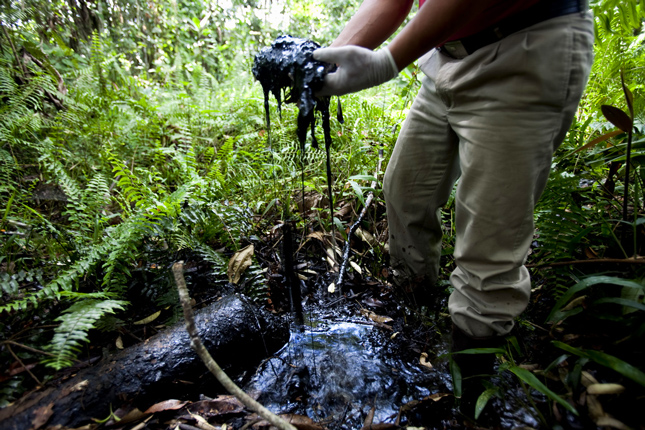
›August 18, 2014 // By Roger-Mark De SouzaSince the early 1990s, the rising price of crude oil and other key natural resources – and the resulting drive by governments and private companies to extract those resources – has led to sharp conflicts in Latin America. At the core of these disputes is the clash between national economic interest and the rights of indigenous people inhabiting the land where most natural resources are located.
-
No REDD+ Program Is an Island: Integrating Gender Into Forest Conservation Efforts
›Since 2005, the Reducing Emissions from Deforestation and Forest Degradation program (REDD+) has functioned as a mechanism to financially incentivize the preservation of forestlands in order to reduce greenhouse gas emissions. But beyond its original use, some organizations have also started exploring ways it can help with other development initiatives, like women’s empowerment. [Video Below] -
New Film Explains Blue Ventures’ Integrated Approach to Development and Conservation in Madagascar
›Blue Ventures has become a leader in the population, health, and environment (PHE) community through its work with the remote, semi-nomadic Vezo people living along Madagascar’s southwestern coast. In a new short documentary, The Freedom to Choose: Empowering Communities to Live With the Sea, Blue Ventures describes how their approach has helped the Vezo respond to the combined challenges of resource scarcity, poor reproductive health, and unsustainable livelihoods.
-
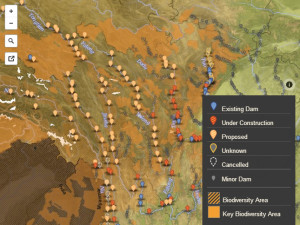
Mapping China’s Dam Rush – and the Environmental Consequences
›
In southwestern China, three parallel rivers – the Nu, Lancang, and Jinsha (also known as the Upper Mekong, Salween, and Yangtze, respectively) – form a series of corridors that connect the tropical rainforests of Southeast Asia to the Tibetan Plateau. These areas are some of the most biodiverse in the world, and scientists argue they have value as “climate refugia” – places worth preserving in order to allow species to retreat to cooler, more suitable climates as temperatures rise. A cascade of dams, however, has been planned for the region, threatening to submerge habitats, reduce the flow of tributary rivers, and make the area less suitable for many plant and animal species.
-
After Chance Meeting, New Population, Health, and Environment Program Is Born in Madagascar
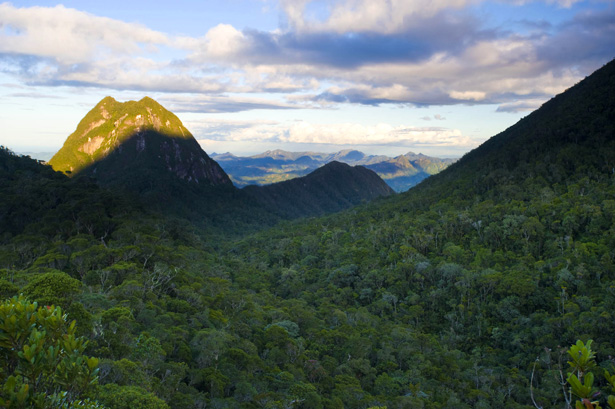
›Against the stunning backdrop of Marojejy National Park, I recently crossed paths with a conservationist from a very different background, working on the opposite side of Madagascar. But, it turns out, the communities we work with face many of the same challenges, and our meeting spawned a new population, health, and environment (PHE) program.
Showing posts from category protected areas.
 Since 2005, the