-
Gladys Kalema-Zikusoka on Gorilla Conservation and Community Health in Uganda and DRC
›
Dr. Gladys Kalema-Zikusoka never expected to be so deeply involved in family planning when she started Conservation Through Public Health (CTPH) 10 years ago. CTPH began with a simple mission: to help preserve endangered mountain gorillas in Virunga National Park in the Democratic Republic of the Congo, and Bwindi Impenetrable National Park in Uganda. But, as Kalema-Zikusoka explains in this week’s podcast, they quickly found that to help the gorillas, they had to help the people living around them.
-
Development vs. Conservation: Global Trends in the Battle Over Oil in Ecuador’s Yasuní Rainforest
›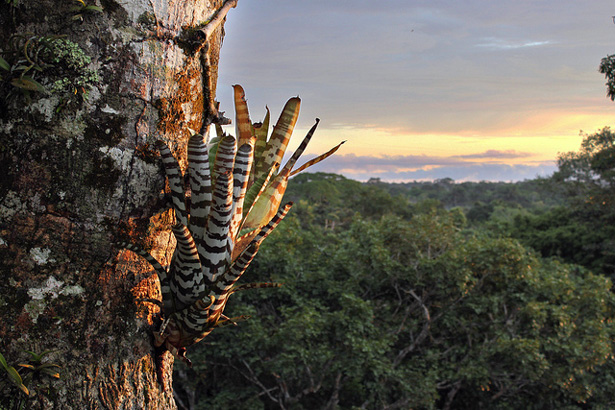
Ecuador, the OPEC member with the smallest amount of proven oil reserves, has gained outsized attention in the debate over the future of oil extraction in recent days and may well play a decisive role in the outcome of the global tension between economic development and environmental conservation.
-
Coastal Resource Management, Family Planning Integration Build Resilience in Madagascar and The Gambia
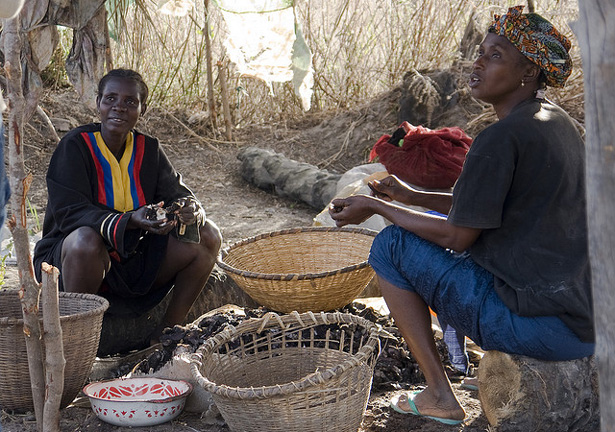
›Growing awareness of the connected challenges of natural resource management, economic growth, and human health has encouraged more integrated models of international development. The experience of two organizations – TRY Oyster Women’s Association, based in The Gambia, and Blue Ventures, based in Madagascar – demonstrates the success of a community-based approach to building resilience, enabling communities to bounce back from adversity and establish a long-term basis for development. [Video Below]
-
Harmony in the Forest: Improving Lives and the Environment in Southeast Asia
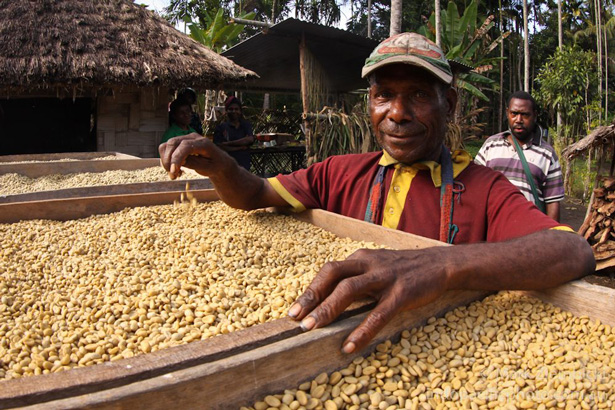
›How can NGOs and civil society promote environmental protection and improve people’s health and livelihoods in remote tropical forests? Two NGOs with innovative programs in Indonesia and Papua New Guinea spoke at the Wilson Center on May 30 about their efforts to simultaneously tackle these issues and highlight their intricate relationship.
-
Dale Lewis on Combating Poaching in Zambia’s Luangwa Valley Through Integrated Development
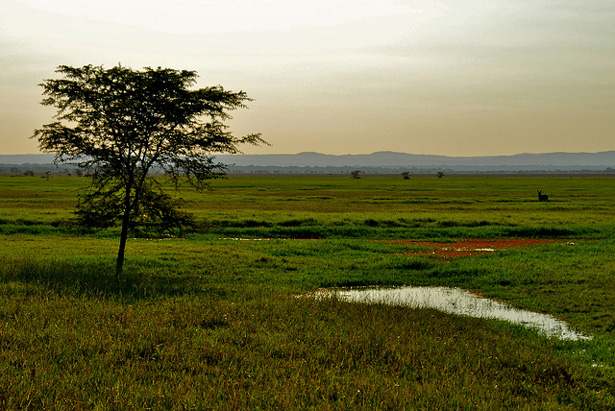
›June 28, 2013 // By Jacob Glass“We did something very special for the community and the resources these farmers live with. We sat down with local leaders and promised to stop spending so much time caring about the elephants, and instead create a company that will try to address community needs,” said Dale Lewis in an interview at the Wilson Center. “The deal was they had to put down their snares and guns.”
-
Lisa Dabek on How Papua New Guinea’s Tree Kangaroo Conservation Project Does More Than Conserve
›“All through Papua New Guinea, in every province, there is logging and mining, but we are the first conservation area,” says Lisa Dabek in this week’s podcast.
Dabek is the director of the Tree Kangaroo Conservation Project (TKCP), an effort of the Seattle Woodland Park Zoo that works to protect tree kangaroos while empowering communities in Papua New Guinea’s YUS Conservation Area to manage their natural resources, health care, and food security.
-
Protecting Parks, Empowering People: Innovative Conservation and Development Projects in Mozambique and Zambia
›Wildlife areas and parks are designed to preserve plant and animal life in biological hotspots, but what about the people who live nearby these hotspots? In many parts of East Africa, communities press right up against park boundaries and people have few alternatives but to draw on the natural resources of protected areas. Conservation efforts depend on these communities’ cooperation and the sustainability – both environmentally and economically – of their livelihoods. [Video Below]
-
Wilson Center Premieres ‘Healthy People, Healthy Environment’ and ‘Transcending Boundaries’ at Environmental Film Festival
›Environmental security and international development aren’t typical movie-going fare, but at the 2013 DC Environmental Film Festival, ECSP premiered two short documentaries with unique environmental stories: Healthy People, Healthy Environment: Integrated Development in Tanzania shows how improving health services and environmental conservation can empower coastal communities in Africa; and Transcending Boundaries: Perspectives from the Central Albertine Rift Transfrontier Protected Area Network explores the opportunities for “peace parks” along the shared borders of Uganda, Rwanda, and the Democratic Republic of Congo.
Showing posts from category protected areas.