-
Better Mapping for Better Journalism: InfoAmazonia and the Growth of GeoJournalism
›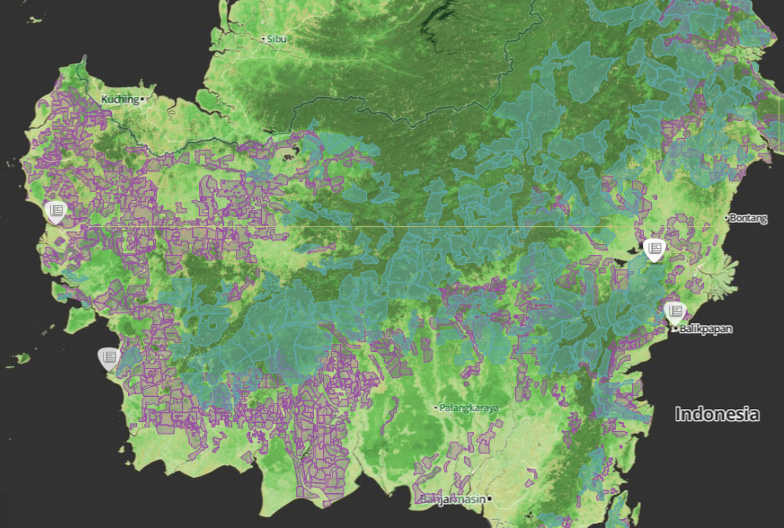
Nearly every local story has a global context. This is especially true when it comes to the environment, and there may be no better way to show that context than through visualization. But in developing countries, where so many important changes are happening, journalists often lack the resources or skills to make data visualization a part of their repertoire.
-
“What I See Is That Women Are Healthier…Children Are Healthier”: Vik Mohan on Blue Ventures’ Work in Madagascar
›Six years after beginning a marine conservation program focused on octopus fishery management in southwest Madagascar, “we can proudly say that we have made a real impact as an organization providing health care,” said Dr. Vik Mohan, medical director of Blue Ventures and a practicing doctor in the United Kingdom.
-
Lisa Dabek: Thinking Long Term to Save Papua New Guinea’s Tree Kangaroos
›“I always say what brought me to Papua New Guinea is the tree kangaroo, and what keeps me there are the people,” said Lisa Dabek.
-
Vik Mohan: Madagascar’s Cyclone Haruna Showed Benefits of Integrated Development
›December 10, 2013 // By Jacob GlassWhen Cyclone Haruna swept across Madagascar last February, Blue Ventures, a marine conservation and community health organization, found themselves in a surprising new role. “We went from development, to aid, and back to development, in an integrated way we never expected,” said Medical Director Vik Mohan in an interview at the Wilson Center.
-
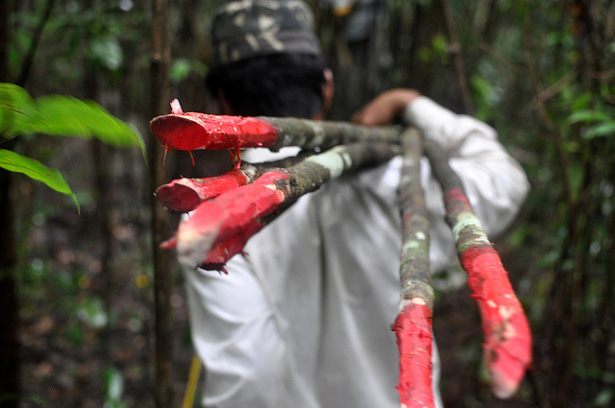
Dark Forests: Interview With Bopha Phorn on Investigating Land Deals, Logging, Gender Issues in Cambodia
›
Cambodia is a young democracy in transition. It has the highest rate of urbanization in Southeast Asia, but the lowest percentage of current urban dwellers and widespread poverty. The Mekong River, on which millions of rural Cambodians rely, is being dammed at a rapid pace, both upstream, beyond the country’s borders, and within. Aided by weak land laws, both foreign and domestic industrial forces have staked claim to large swaths of the country for logging and rubber plantations, displacing thousands.
-
Gorillas and Family Planning: At the Crossroads of Community Development and Conservation in Uganda
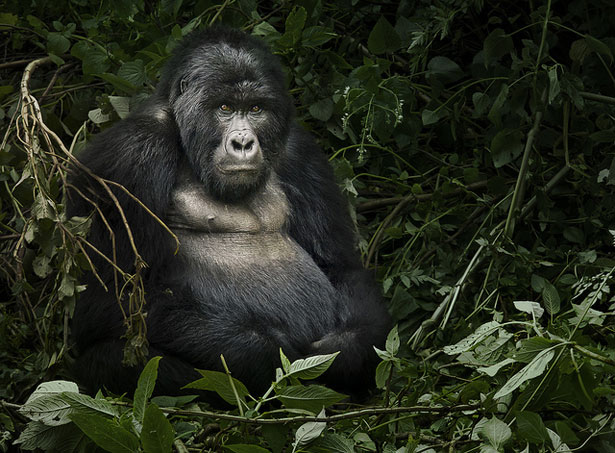
›“Gorillas are very good at family planning; if we were like them, we’d be much better off,” said wildlife veterinarian Dr. Gladys Kalema-Zikusoka at the Wilson Center on September 26. The Conservation Through Public Health (CTPH) CEO and founder is celebrating 10 years of population, health, and environment (PHE) work in Uganda and the Democratic Republic of Congo, bringing health and livelihood interventions to people while protecting mountain gorillas around Virunga and Bwindi Impenetrable National Parks. [Video Below]
-
Crowded Out: New Evidence Points to Population Growth as Key Driver of Biodiversity Loss
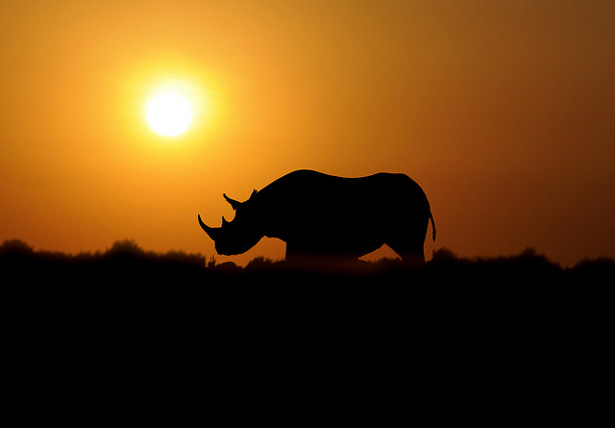
›November 12, 2013 // By Kathleen MogelgaardIn 2009, economist Jeffrey Sachs, alongside more than 20 eminent scholars from different fields, highlighted the importance of biodiversity for human well-being in a policy commentary published in Science. They noted the Millennium Development Goals (MDGs) included a target to achieve, by 2010, a significant reduction in the rate of species loss, and they also noted that it was one of the MDG targets that was most off-track. “Our lack of progress toward the 2010 target,” they said, “could undermine achievement of the MDGs and poverty reduction in the long term.” The 2010 target was missed, and today species are moving toward extinction at an ever faster pace. Last week’s announcement confirming the extinction of Africa’s western black rhino is the latest sad example of this trend.
-
Removing Boundaries: Sean Peoples on Documenting Integrated Development in Tanzania
›“We knew that we had a lot of reports, we knew that we had a lot of policy papers, but what we wanted to tell was a good story,” said ECSP’s Sean Peoples speaking recently at Duke University about the short documentary, Healthy People, Healthy Environment: Integrated Development in Tanzania.
Showing posts from category protected areas.