-
A. Tianna Scozzaro, Population Action International
Population Dynamics Are Crucial to Sustainable Development – So Why Isn’t Anyone Talking About Them?
›January 29, 2014 // By Wilson Center Staff
The original version of this article, by A. Tianna Scozzaro, appeared on Population Action International’s All Access blog.
For the past 11 months, a group of United Nations member states has been holding meetings seeking input on future goals for sustainable development once the Millennium Development Goals (MDGs) expire in 2015. Led by co-chair ambassadors from Hungary and Kenya, this Open Working Group of 69 countries has delved into topics ranging from governance to health and everything in between.
-
New Architecture for a New World? Making the Millennium Development Goals Sustainable
›
Next year, the Millennium Development Goals (MDGs), adopted by the United Nations after the Millennium Declaration, are set to expire. As they wind down, the global development community is taking stock. While there have been great strides toward accomplishing many of the goals set forth in 2000, there has been little headway in ensuring environmental sustainability, said Melinda Kimble, senior vice president of the United Nations Foundation. Which raises the question: What should change for the next set of global development goals, which are supposed to be even more environmentally focused – the “Sustainable Development Goals?”
-
Ready for Change: Notre Dame Launches the Global Adaptation Index
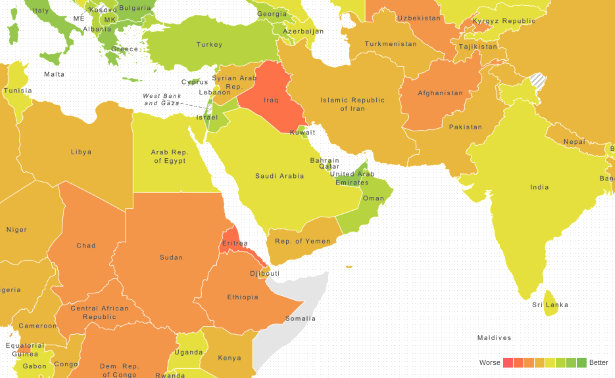
›In 2008 and 2010, the price of many basic food stuffs soared, sparking a series of riots and food crises around the world. People in the poorest countries – those living with the smallest margins – were most affected, while the economies of developed nations were able to absorb the price changes. According to Notre Dame’s Global Adaptation Index, how climate change will impact different countries depends not only on their vulnerability to physical changes, but also their ability to absorb these impacts. [Video Below]
-
“What I See Is That Women Are Healthier…Children Are Healthier”: Vik Mohan on Blue Ventures’ Work in Madagascar
›Six years after beginning a marine conservation program focused on octopus fishery management in southwest Madagascar, “we can proudly say that we have made a real impact as an organization providing health care,” said Dr. Vik Mohan, medical director of Blue Ventures and a practicing doctor in the United Kingdom.
-
Natural Gas and Albacore: What Tuna Says About the Future of Mozambique
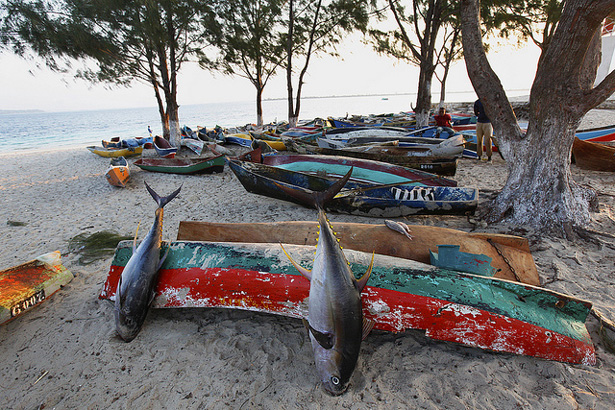
›January 13, 2014 // By Laura HensonA 20-year peace accord between Mozambique’s two major political parties was brought to an abrupt end last fall. A series of violent skirmishes between FRELIMO and RENAMO resulted in at least 10 deaths, dozens injured, and fears that the country might relapse into the kind of political violence seen during its civil war, which left more than a million dead. RENAMO claims its frustrations stem from a fraudulent electoral system and social inequality, but some observers have suggested their motivations may be less benevolent: making sure they get their piece of the country’s newfound natural gas wealth.
-
Facing the Challenge of Adolescent Pregnancy: ‘State of the World Population 2013’ Launch
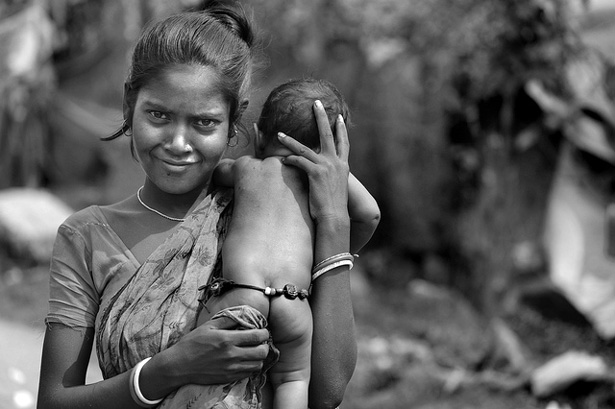
›Twenty thousand girls under the age of 18 give birth every day, and 90 percent of these births occur within the context of marriage, according to the UN Population Fund’s latest State of the World Population report. This year’s edition, launched at the Wilson Center on October 30, focuses on adolescent pregnancy and finding ways to better protect this vulnerable group of young women.
-
Beyond the Horizon: Understanding the Future for Better Development Today
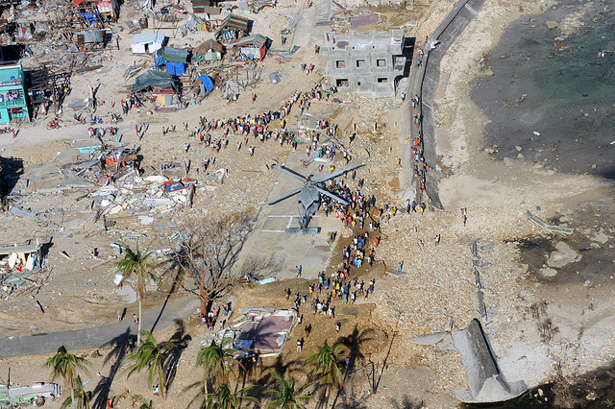
›December 16, 2013 // By Kathleen MogelgaardWhen Super Typhoon Haiyan ripped through the Philippines last month, the incredible damage visited on the people, infrastructure, and land was shaped by trends that have been in motion for decades. The country’s population has been growing rapidly, with high concentrations of people living in cities and along the coast; economic growth had been steady, but weak governance and corruption may have exacerbated vulnerability; and the gradual loss of coastal forests and mangroves left many communities exposed to the full brunt of the typhoon’s storm surge. On a positive note, wireless technology and crowd-sourced data helped in disaster response.
-
Vik Mohan: Madagascar’s Cyclone Haruna Showed Benefits of Integrated Development
›December 10, 2013 // By Jacob GlassWhen Cyclone Haruna swept across Madagascar last February, Blue Ventures, a marine conservation and community health organization, found themselves in a surprising new role. “We went from development, to aid, and back to development, in an integrated way we never expected,” said Medical Director Vik Mohan in an interview at the Wilson Center.
Showing posts from category poverty.