-
‘The Lancet’ on Achieving Maternal Health Goals in the SDG Era: Tackling Diversity and Divergence
›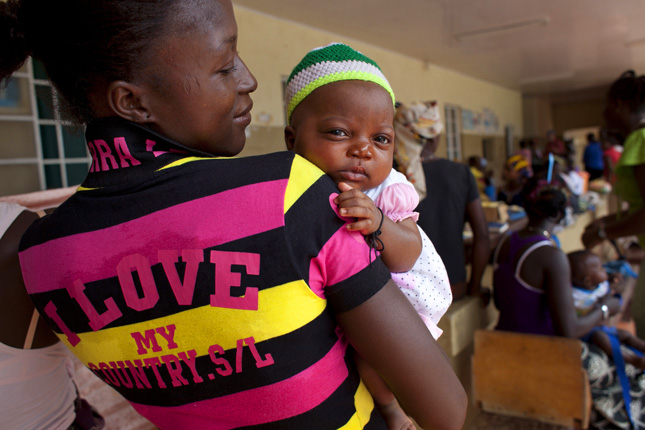
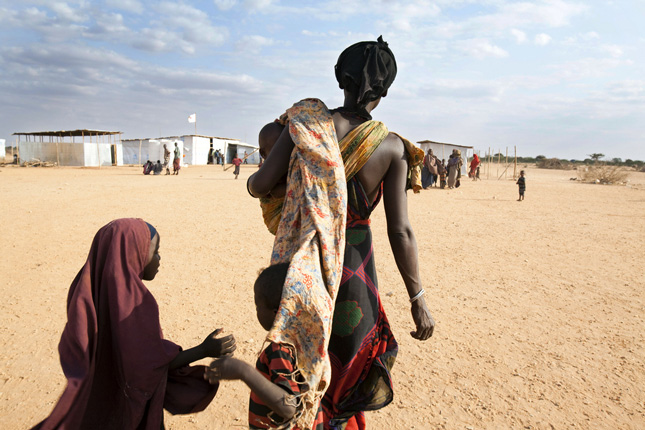
Between 1990 and 2015, there was an incredible 44 percent decrease in global maternal mortality rates. But these impressive gains still fell short of the Millennium Development Goal of reducing the global maternal mortality ratio by three quarters.
-
Predicting the Geopolitical Landscape of 2035, and a More Holistic Measure for Disaster Risk Assessment
› The world of 2035 will be facing global and regional insecurities that could be “more dangerous than the second half of the Cold War era,” according to a 2016 report from the Atlantic Council.
 -
UN Agency Calls for Global Transformation of Agriculture in the Face of a Changing Climate
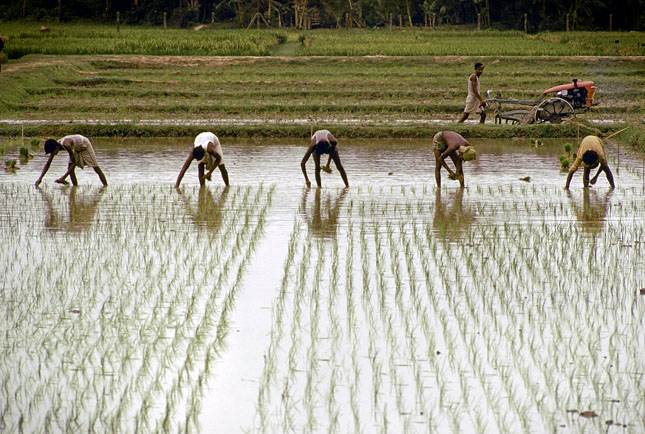
›November 15, 2016 // By Sreya PanugantiA recent report by the UN Food and Agriculture Organization (FAO) warns that over the next 15 years, climate change will add to the number of people living in poverty via its effects on the agriculture and food sectors. By 2030, climate-related effects on food-related livelihoods could lead to an additional 35 to 122 million impoverished people, according to the 2016 State of Food and Agriculture Report.
-
Could Climate Change Keep Kids Out of School? Q&A With Environmental Sociologist Heather Randell
›Education is seen as a key tool for building resilience to climate change in the developing world. But new research shows that climate change could also make it harder to keep kids in school and ensure they get the best out of their time in the classroom.
-
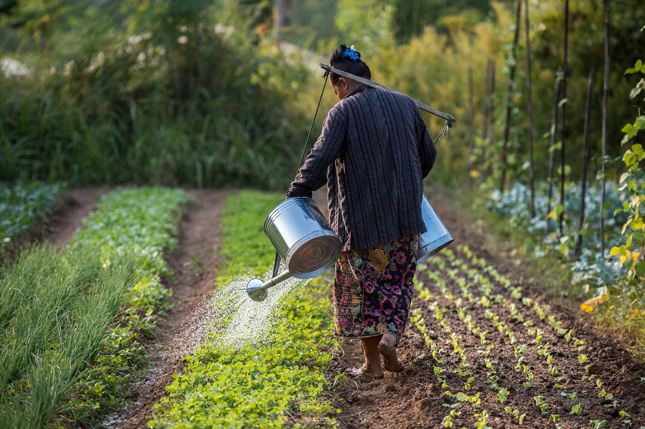
Pathways to Climate-Smart Agriculture in Africa
›“Climate change and food insecurity are the twin crises that may define Africa’s future,” said the World Bank’s Ademola Braimoh at the Wilson Center on September 13. One proposed solution is so-called “climate-smart agriculture” (CSA), an approach to farming that aims to mitigate the negative impacts of climate change while increasing agricultural production and income. But according to a panel of experts, smallholder farmers around the world have either been slow to adopt CSA practices or failed to sustain their usage over time.
-
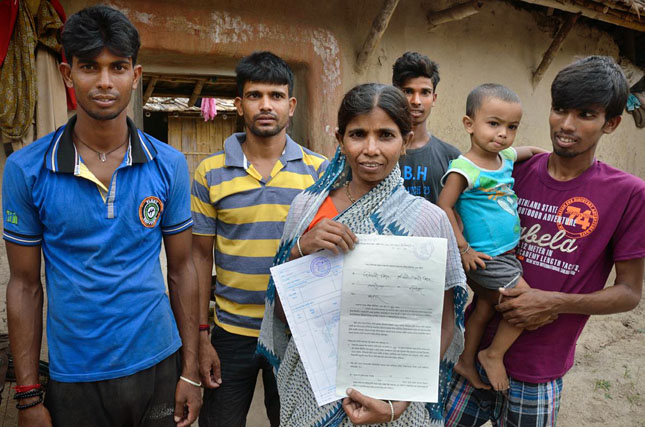
Why Women’s Empowerment Must Start With Land Rights
›Property and citizenship are in many ways what define us, and they interact in fascinating ways.
-
Assessing Feed the Future in Bangladesh: Production Gains, Nutrition Challenges
›September 30, 2016 // By Anam AhmedAmong all the countries receiving agriculture and nutrition assistance through the U.S. government’s Feed the Future initiative, Bangladesh receives the third most, at approximately $50 million a year ($55 million has been requested for 2017). Yet Bangladesh’s population is larger than that of the two countries ahead of it, Tanzania and Ethiopia, combined.
-
Silently, Quickly, and Completely: The World’s Lakes in Peril
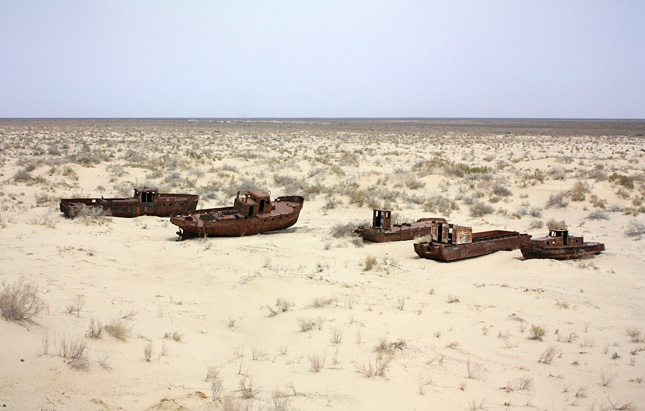
›September 28, 2016 // By Cara ThuringerWhen Lake Poopó, Bolivia’s second-largest lake, dried up last December, an entire community lost their way of life and the scientific community cast their eyes to the map asking, where next? They didn’t have to look far. According to a report prepared by the World Lake Vision Committee, a collaboration between the International Lake Committee Foundation, the Shiga Prefectural Government of Japan, and the United Nations Environment Program, there are very few major lake systems that are not experiencing decreasing water quality, volume, biodiversity, or some combination of the three.
Showing posts from category poverty.