-
50 Years of Water at Wilson: Rising New Ocean, Endangered Villages, Plastic Pollution (Part 2 of 2)
›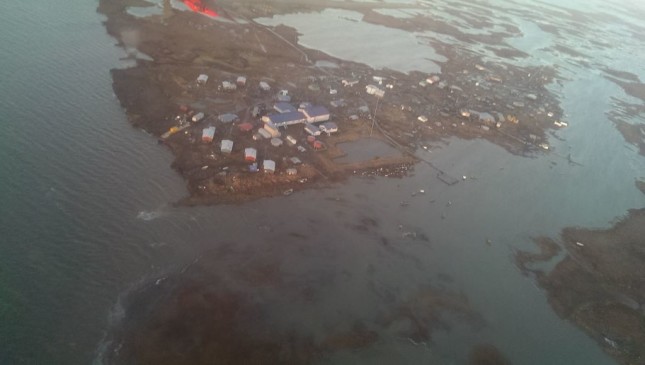
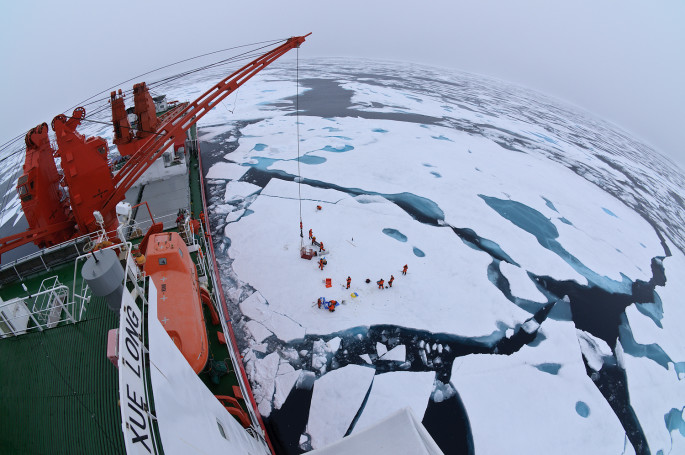
In the Arctic, “a new ocean has emerged and we have to deal with it,” said Mike Sfraga, Director of the Wilson Center’s Global Risk & Resilience Program and Polar Institute at a recent water event celebrating the Wilson Center’s 50th anniversary.
-
Fishing without Permission: The Uncertainties and Future of Illegal Commercial Fishing
›In September, Ambassador David Balton, a Senior Fellow at the Wilson Center’s Polar Initiative, testified before the Subcommittee on Oceans, Atmosphere, Fisheries, and Coast Guard, testifying against illegal, unreported, and unregulated fishing (IUU fishing). “We don’t even know just how much illegal fishing is going on,” said Ambassador David Balton, a Senior Fellow at the Wilson Center’s Polar Institute, in a recent Wilson Center NOW interview. IUU fishing is a major threat to the global fisheries industry as well as the oceans. “Even when nations get together and establish rules for fisheries or stocks across jurisdictional lines, it’s difficult to enforce the rules against everyone, and there is unfortunately a high percentage of illegal fishing that takes place.”
-
Building Coastal Resilience to Protect U.S. National Security
›June 28, 2018 // By Wilson Center Staff
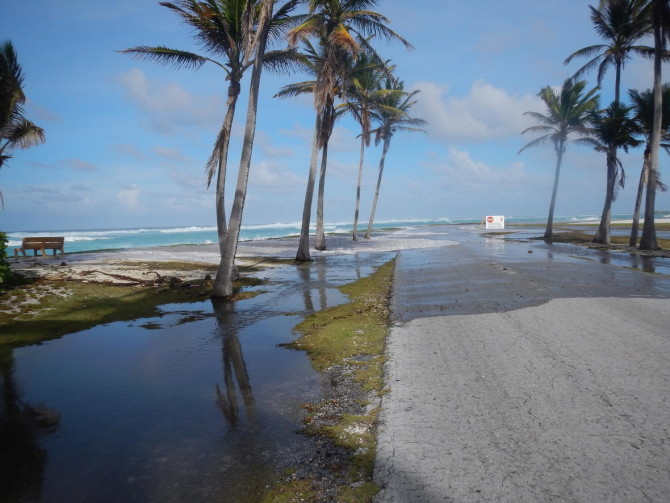
As the Atlantic hurricane season kicks off this month, some coastal communities in the United States and small-island nations in the Caribbean are still recovering from last year’s record-breaking damage. At the same time, the heavy rains pounding the East Coast this week are part of a long-term trend towards more severe heavy rainfall events that have led to deadly floods and threaten critical U.S. military bases. Even on sunny days, cities such as Norfolk and Manila contend with high tide or “nuisance” flooding—a phenomenon that has increased as much as nine-fold since the 1960s, according to NOAA.
-
China’s Ready to Cash In on a Melting Arctic
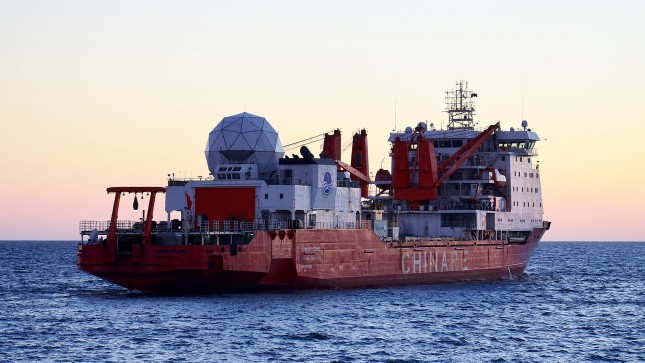
›Put simply, “the damn thing melted,” Navy Secretary Richard Spencer explained in recent testimony, referring to Arctic ice melt as the trigger for the new U.S. Navy Arctic Strategy that is to be released this summer. What the Navy planned as a 16-year road map is in need of updates after only four years, in part due to receding polar ice caps, which are “opening new trade routes, exposing new resources, and redrawing continental maps,” but also in part due to the rise of China as an “Arctic stakeholder” and increasing important player in the region.
-
Every Day is Earth Day: Plastic Waste Q&A with Mao Da
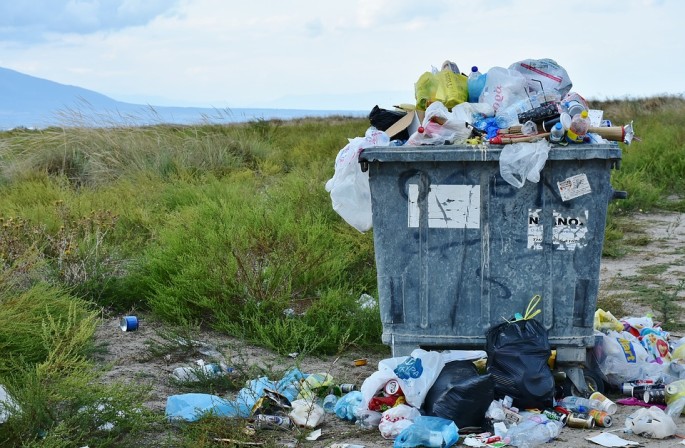
›Plastics. From the devastating effects of plastic pollution on our oceans, to the news that plastic bottles likely pollute the drinking water they contain, plastic pollution—the theme of this year’s Earth Day—has been a highly visible issue, and we’ve seen some notable progress on fighting the plastic battle.
-
China Has Arrived in the Arctic: Q&A With Sherri Goodman
›To further its goals to strengthen the global economy, China has already invested $300 billion of its pledged $1 trillion towards its Belt and Road Initiative—a massive infrastructure investment plan that spans 60 countries across Southeast Asia, Central Asia, Africa, South Asia, the Middle East, and Eastern Europe. China’s initiative will shift the world’s political, environmental, and economic landscape.
-
Safe Passage: China Takes Steps to Protect Shorebirds Migrating From Australia to the Arctic
›Every year, millions of shorebirds migrate to the Arctic to breed—some coming from as far away as Australia and New Zealand—and then head back again. Nearly all of the birds making this journey spend time in the food-rich intertidal mudflats of the Yellow Sea ecoregion, on the east coast of China and the west coasts of the Korean peninsula. But as China’s economy has grown, around 70 percent of the intertidal mudflats in the Yellow Sea area have disappeared—the land drained and “reclaimed” for development. All of the more than 30 species of shorebirds that rely on the mudflats are declining, and those that stop there twice a year are declining at a faster rate than those that stop only once. If the current trajectory continues, the Yellow Sea—once known as the cradle of China—will become the epicenter of extinction.
-
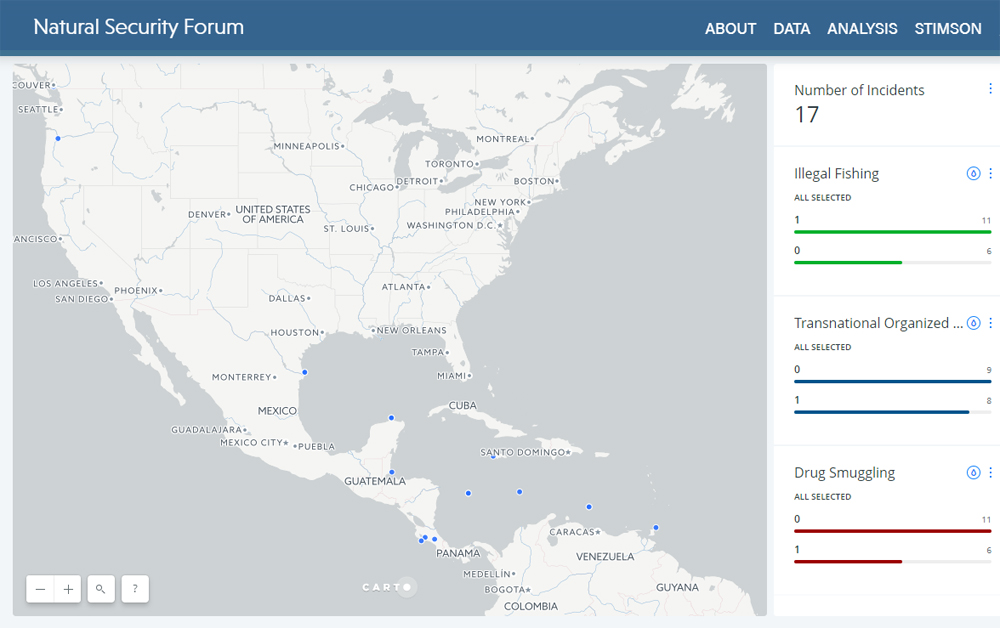
Fishing for Criminals: Mapping the Security Threats of Illegal, Unreported, and Unregulated Fishing
›Organized crime, arms and drugs smuggling, and conflict often overlap with environmental crimes like illegal fishing. A new interactive database from the Stimson Center’s Environment Security program maps incidents of illegal, unreported, and unregulated (IUU) fishing with the aim to “illuminate and educate on the geostrategic security implications of environmental crime; foster the creation of a new and expanding community of natural security stakeholders; and change the terms of the conversation on environment crime, leading to innovation policy solutions.”
Showing posts from category oceans.