

-
The Environmental Collateral Damage of the South China Sea Conflict
›
Tensions in the South China Sea increased last April when a Chinese coast guard ship sank a Vietnamese fishing boat near the Paracel Islands—a fiercely disputed territory in the South China Sea. Disputes over island territories in the region have endured for decades, with China, Vietnam, the Philippines, Taiwan, Indonesia, Malaysia, and Brunei all making overlapping territorial claims. The region is rich in natural resources and biodiversity, holding vast fish stocks and an estimated 11 billion barrels of oil and 190 cubic feet of natural gas.
-
How Plastic Pollution is Being Woven into Fast Fashion Culture
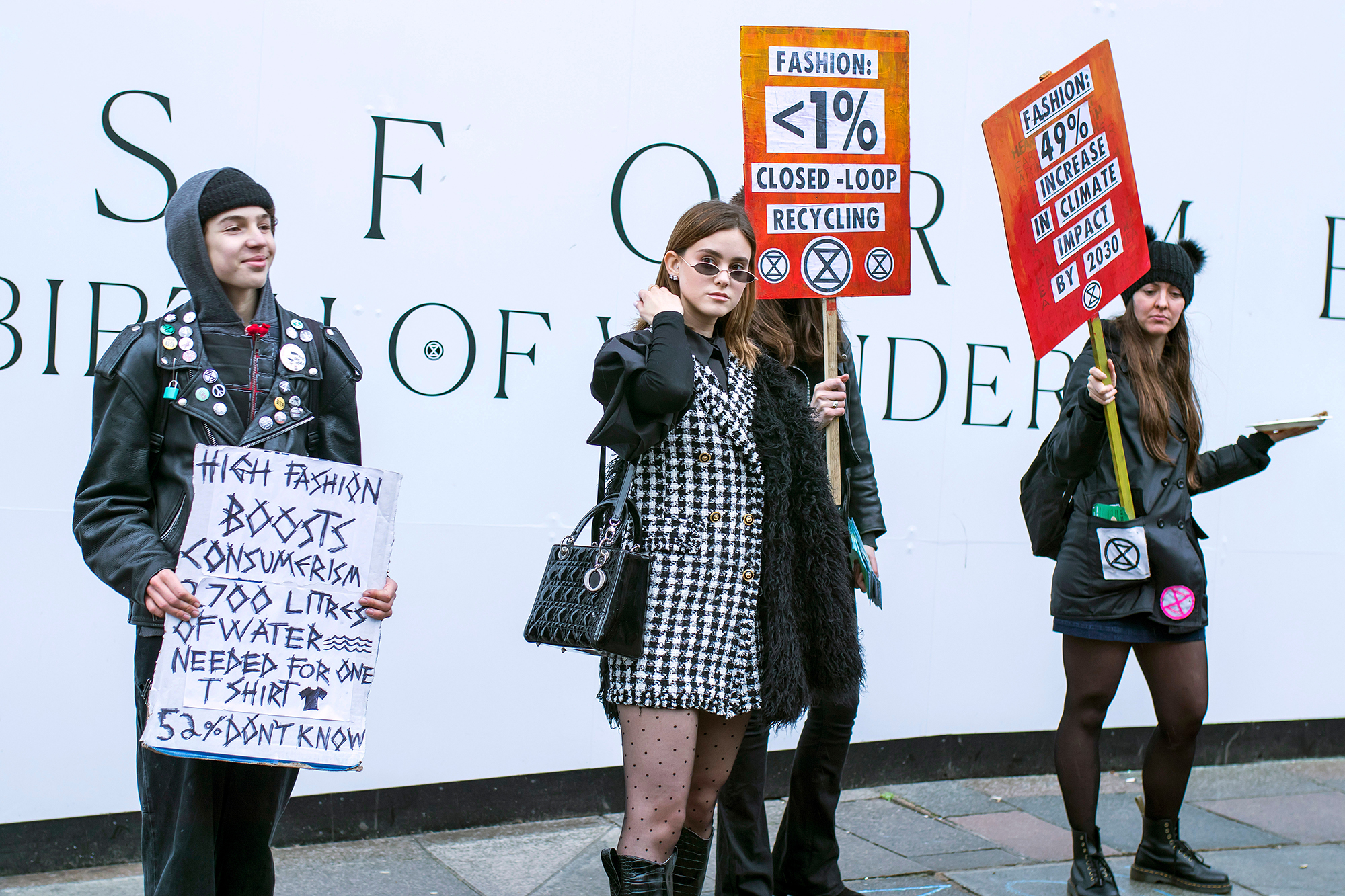
›The words “plastic pollution” evoke images of discarded plastic bottles and bags, derelict fishing gear, and crushed cigarette butts set on a beautiful beach or floating underwater. In this imagery, the ebb and flow of plastic pollution is visible to the naked eye. But the plastic we can see is only part of the problem. What we do not see so easily are the microscopic, hair-like plastic fibers that are coursing through the water and air, accumulating on beaches, in intertidal zones, and even in Arctic sea ice. These are synthetic microfibers: thin pieces of plastic, a sub-category of microplastics, that resemble a strand of hair.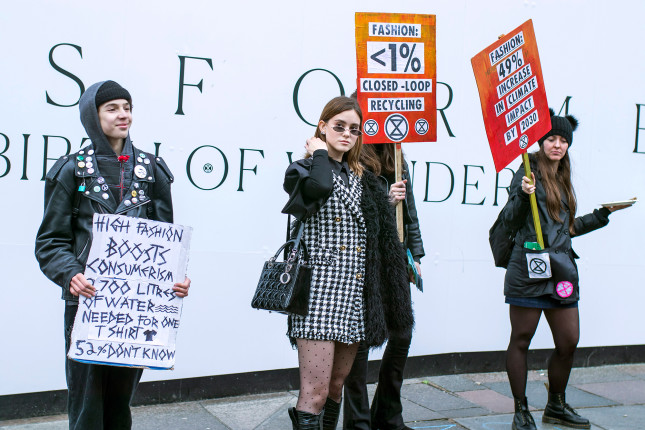
-
The World Is Your Oyster and Your Plastic Pollution Is Getting Into It
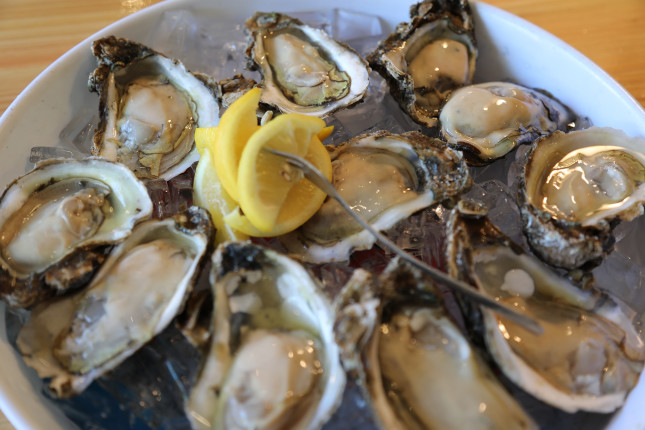
›Picture this: It’s a warm, spring day in May 2021. You are at a local seafood restaurant overlooking the Chesapeake Bay and your order of raw oysters arrives delicately placed on a layer of ice. Your waiter reviews the type of oysters you ordered. He says, “Running clockwise, you have Pemaquid, Blue Point, and PEI.” Before the waiter steps away, he asks, “Would you like extra microplastics added to your oysters?” Dumbfounded, you reply, “Extra?”
This Twilight Zone-like scenario is not totally fictional. Oysters are a keystone species in the environment, meaning they are the backbone of ecosystems. They are heroes in a small shell. In addition to where they sit on the food chain, oysters can filter up to 50 gallons of water per day, cleaning the surrounding water of chemicals and pollutants. However, this means they inevitably suck up more than they bargained for. Scientists have discovered that oysters contain microplastics, plastic pieces that measure less than 5 mm in size in one dimension (similar to the size of a sesame seed). Oysters suck in microplastics and, sometimes, they never pass them out.
-
Delivering a Solution to the World’s Ocean Plastic Problem
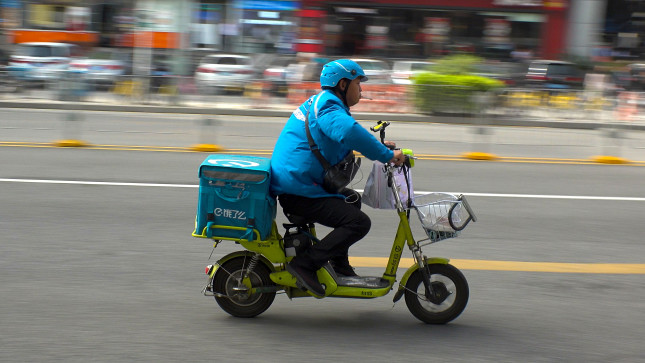
›In 2017, the Green Volunteer League of Chongqing, an environmental NGO, filed a suit against China’s three biggest food delivery companies—Meituan, Baidu, and Ele.me—for damaging the environment by generating excessive waste. Specifically, these three e-commerce platforms provided consumers with single-use chopsticks that consumed 6,700 trees every day as well as massive amounts of plastic containers, bags, and utensils. Today, over 400 million Chinese are regular users of food delivery. Since summer 2019, daily app use for Meituan was over 30 million orders, generating 100 million plastic containers every day—enough to carpet 360 football fields.
-
To Fight for a Living Planet, Restore its Biology
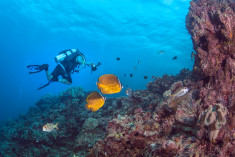
› We face the greatest environmental challenges ever relating to climate change, biodiversity, land use, and more. Humans are driving 1 million species to extinction, according to a report by the UN-backed Intergovernmental Science-Policy Platform on Biodiversity and Ecosystem Services. Some $44 trillion of annual global economic product that depend on nature are in jeopardy. Fires have ravaged large swathes of the Amazon—Brazil and Bolivia in particular—and Australia. -
Fisheries Management: A Possible Venue for Navigating Fisheries Conflicts in the Indian Ocean
›A significant increase in fisheries-related conflicts in the Indian Ocean since 2000 is heightening regional tensions. These conflicts have ranged from purely verbal and diplomatic disputes to armed attacks on fishing vessels by coast guards and navies. These disputes are most often low-intensity, but constitute true “wild card” scenarios in which competing powers’ navies reach the brink of engagement due to the actions of third parties that they neither command nor control.
-
To Reduce Future Conflicts over Water, Reconceptualize “Shared Waters”
›In the years ahead, climate change and the proliferation of new technologies and information availability will require us to reshape our vision of shared waters. Because these megatrends are experienced in concert, the opportunities, challenges, and uncertainties for shared water management will continue to compound over time.While it is impossible to know precisely how shared water will look in the future, we should already be working to expand how we conceptualize shared waters, address inequities embedded within water management, and develop criteria and processes that successfully identify and include non-traditional shared water actors in decision-making. These shifts will strengthen our ability to generate creative and sustainable management strategies and help us avoid water-related conflicts.
-
Our Ocean and Cryosphere Under Threat
›Evidence of the effects of climate change continues to mount. We see it in extreme weather events, including droughts and intense hurricanes and cyclones, in biodiversity loss, and in erratic weather patterns around the globe. While many of these impacts rightfully make it into front-page news, climate change is also profoundly affecting parts of our planet that we do not understand well—the ocean and the cryosphere.In September 2019, the International Panel on Climate Change issued a Special Report on the Ocean and Cryosphere in a Changing Climate (SROCC). The report provides a new and sobering analysis of current conditions, as well as projections into the future. Produced by more than 100 authors from 36 countries, the SROCC painstakingly reviews the latest scientific literature, referencing some 7,000 scientific publications in all.
Showing posts from category oceans.
 We face the greatest environmental challenges ever relating to climate change, biodiversity, land use, and more. Humans are driving 1 million species to extinction, according to a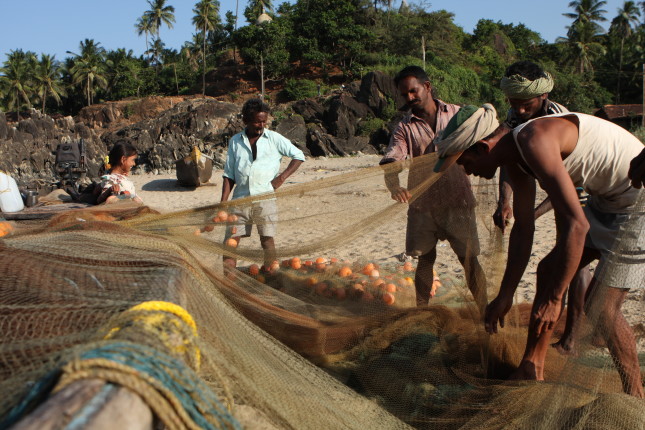
 In the years ahead, climate change and the proliferation of new technologies and information availability will require us to reshape our vision of
 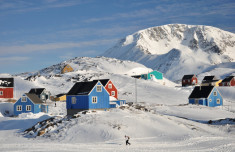 Evidence of the effects of climate change continues to mount. We see it in extreme weather events, including droughts and intense hurricanes and cyclones, in biodiversity loss, and in erratic weather patterns around the globe. While many of these impacts rightfully make it into front-page news, climate change is also profoundly affecting parts of our planet that we do not understand well—the ocean and the cryosphere.

