-
Crowded Out: New Evidence Points to Population Growth as Key Driver of Biodiversity Loss
›November 12, 2013 // By Kathleen Mogelgaard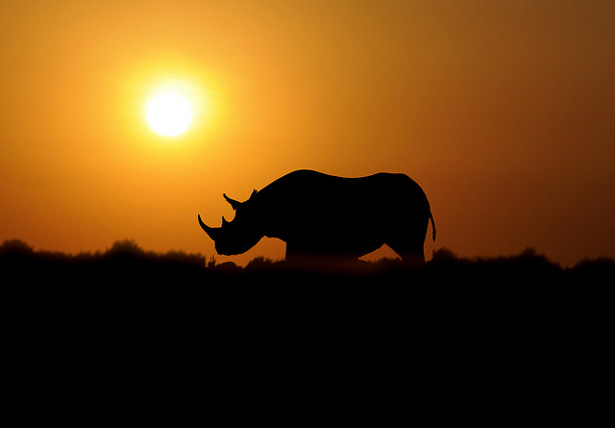
In 2009, economist Jeffrey Sachs, alongside more than 20 eminent scholars from different fields, highlighted the importance of biodiversity for human well-being in a policy commentary published in Science. They noted the Millennium Development Goals (MDGs) included a target to achieve, by 2010, a significant reduction in the rate of species loss, and they also noted that it was one of the MDG targets that was most off-track. “Our lack of progress toward the 2010 target,” they said, “could undermine achievement of the MDGs and poverty reduction in the long term.” The 2010 target was missed, and today species are moving toward extinction at an ever faster pace. Last week’s announcement confirming the extinction of Africa’s western black rhino is the latest sad example of this trend.
-
Curbing China’s Massive – and Destructive – Distant Water Fishing Fleet
›
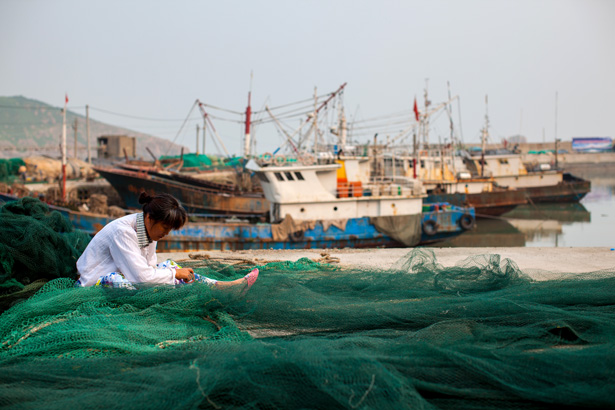
Last month, two Chinese fishing boats were caught operating illegally in South Korean waters. The incident made local headlines and minor diplomatic waves, but it’s just a drop in the bucket in what has become a troubling trend for China’s foreign water fishing fleets. Over the last decade, there have been more than 4,600 cases of Chinese fishing boats being caught illegally in South Korea’s waters alone, according to the government, and these marine transgressions have not been limited to neighbors.
-
In Urban Planning for Climate Change, Pay Attention to Population Dynamics & Smaller Cities, Says Daniel Schensul
›
When it comes to coping with the effects of climate change, cities will be a crucial proving ground for adaptation efforts. Over the next few decades, the percentage of the world’s population living in urban areas is projected to increase to 67 percent – 6.3 billion people by 2050, according to the UN. But because three-quarters of the world’s major cities are located on coastlines, the growing percentage of urban residents means more people will be vulnerable to environmental stressors such as sea level rise and storm surges.
-
Removing Boundaries: Sean Peoples on Documenting Integrated Development in Tanzania
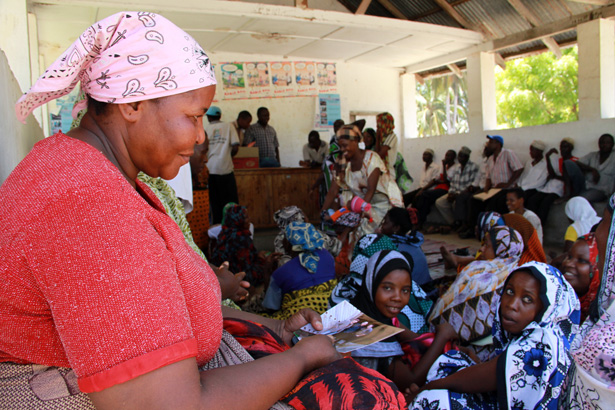
›“We knew that we had a lot of reports, we knew that we had a lot of policy papers, but what we wanted to tell was a good story,” said ECSP’s Sean Peoples speaking recently at Duke University about the short documentary, Healthy People, Healthy Environment: Integrated Development in Tanzania.
-
Aligning Human and Ocean Health, Preventing Sudden Freshwater and Plant Habitat Decline
›“The size and growth of the human population is putting unprecedented pressure on natural resources,” reports the first major publication by the Global Partnership for Oceans. The World Bank launched the consortium of more than 140 government, NGO, and private sector groups at the Rio+20 UN Conference on Sustainable Development as a means to bring targeted investment to reverse ocean health decline and encourage sustainable development. On October 16, the Partnership’s Blue Ribbon Panel released Indispensable Ocean: Aligning Ocean Health and Human Well-Being, which encourages members to prioritize five principles: sustainable livelihoods, social equity, and food security; a healthy ocean; effective governance systems; long-term viability; and capacity building and innovation. Selection criteria for investments accompany each principle, including requirements like addressing problems of food affordability and access, demonstrating potential for improvements in human health, and building resilience to future conditions. “The good news is that we stand at a point in history where it is neither too late nor impossible to turn the tide of change that is currently sweeping across the ocean,” panel chair Ove Hoegh-Guldberg concludes. -
From Octopus Conservation to Disaster Relief: Vik Mohan on PHE in Madagascar
›
When Tropical Cyclone Haruna struck in February 2013, leaving thousands without shelter and tens of thousands without water, it was a test for Blue Ventures’ integrated approach to development in southwest Madagascar. According to Dr. Vik Mohan, they passed.
“By the time the first aid organization arrived just to collect information, we had distributed to 17 villages already,” Mohan says in this week’s podcast. “We were the mouthpiece of the community, and because of our infrastructure on the ground, because of our good relationships with the community, we were able to procure and disseminate supplies that the community needed.”
-
Five Years of Population, Health, and Environment Programs: What Works and What’s Next?
›More than 20 percent of the world’s population live in ecological hotspots, places rich in biodiversity but often lacking basic government services. Population, health, and environment – or PHE – programs address compounding stresses in these areas by helping to meet people’s needs for basic health services, including reproductive health care; promoting food security and poverty reduction; and teaching sustainable natural resource management. [Video Below]
-
Coastal Resource Management, Family Planning Integration Build Resilience in Madagascar and The Gambia
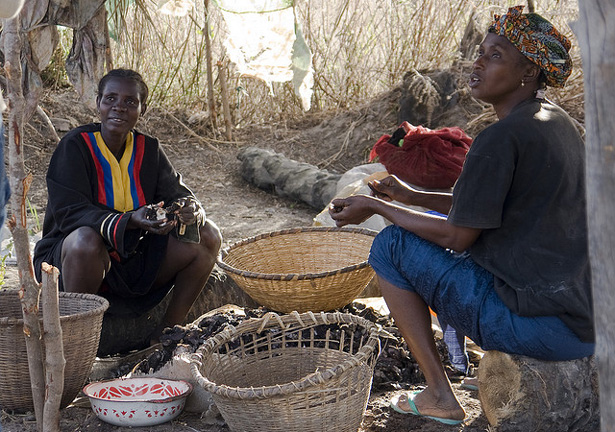
›Growing awareness of the connected challenges of natural resource management, economic growth, and human health has encouraged more integrated models of international development. The experience of two organizations – TRY Oyster Women’s Association, based in The Gambia, and Blue Ventures, based in Madagascar – demonstrates the success of a community-based approach to building resilience, enabling communities to bounce back from adversity and establish a long-term basis for development. [Video Below]
Showing posts from category oceans.