-
Sam Eaton, PRI’s The World
Human Traffickers Follow Floods in India, But Local Girls Are Fighting Back
›September 17, 2015 // By Wilson Center StaffThe Sundarbans – a collection of densely populated islands in India’s sprawling Ganges Delta – are so remote that the only way to get there is by boat. But human traffickers still manage to get in, and that’s left many families with missing daughters.
-
Crossing Borders and Defying Policing, Abuses of Thailand’s Fishing Industry Challenge International System
›August 18, 2015 // By Linnea Bennett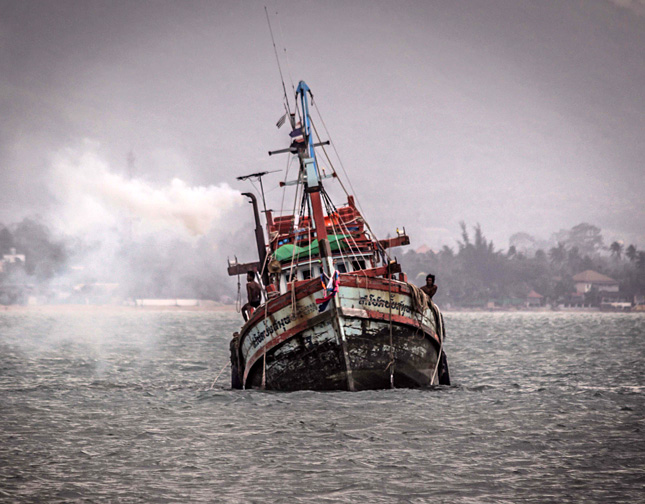
Somewhere off the coast of Thailand, “ghost ships” bump and crash along the choppy waves scrapping the sea floor with nets that spare nothing. Pulling up these illegal hauls in shifts that sometimes last 20 hours are thousands of migrant fishermen, many of whom have been forced into indentured servitude or kidnapped. Far from shore on unregistered boats, they have little hope of escape and face daily abuse and squalid conditions. More recently, some captains have turned to trafficking Rohingya fleeing persecution in Myanmar, pressing some into service, extorting others, and taking sex slaves.
-
Sally Edwards on Health and Climate Change in the Caribbean: “It’s a Very Complex Web”
› “The relationship between human health…and environmental changes is extremely complex,” says Sally Edwards, advisor for sustainable development and environmental health of the Pan-American Health Organization/World Health Organization office for the eastern Caribbean countries, in this week’s podcast.
 -
“People Need Nature to Thrive”: Recovering From Conflict Through Conservation in Timor-Leste
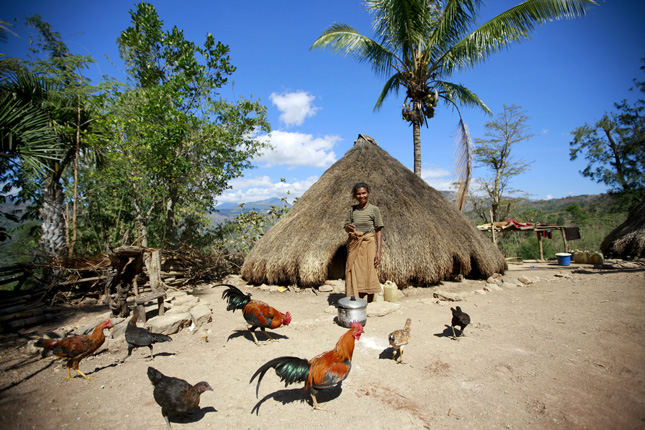
›In my tiny, half-an-island country of Timor-Leste, cemeteries smell of jasmine and come to life on All Saints’ Day. Families have picnics and kids roam wild over the tombstones. Here, stepping on somebody else’s family tombstones is not seen as an offense but as the norm; after all, since there isn’t enough land to hold so many graves, not stepping on one is impossible unless you have mastered levitation.
-
Adapting to Global Change: Climate Displacement, Mega-Disasters, and the Next Generation of Leaders
›The world is more connected than ever before, but also more complex. Big, transnational trends like climate change, urbanization, and migration are changing the calculus of geopolitics, while local-level inequalities persist. “[Change] seems to be spinning around us so fast,” said John Hempelmann, president of the Henry M. Jackson Foundation, which honors the legacy of the late senator from Washington State. How can today’s and tomorrow’s leaders adjust to global trends? [Video Below]
-
Obama Highlights Long-Term Climate Security Threats, Releases Review of Federal Resources
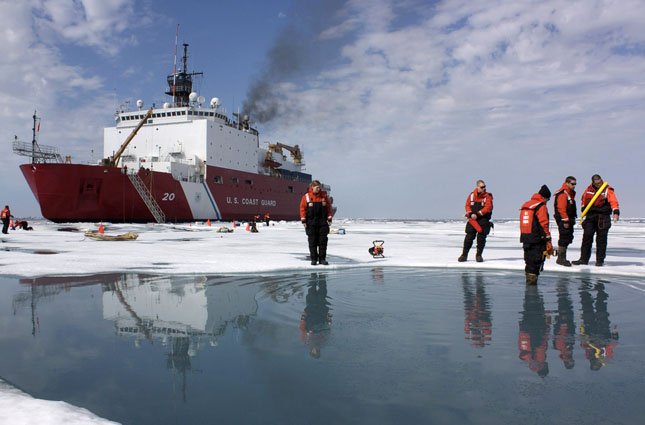
›May 20, 2015 // By Schuyler NullIn a commencement speech at the U.S. Coast Guard Academy today, President Obama said “climate change constitutes a serious threat to global security, an immediate risk to our national security, and, make no mistake, it will impact how our military defends our country.”
-
Small-Island States Continue Long Crusade for Recognition of Climate Damages
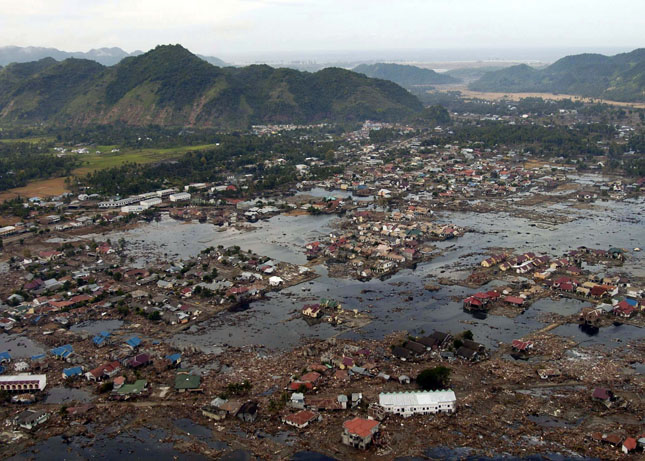
›“Even though small-island nation states generally are responsible for less than one percent of global greenhouse gas emissions, small islands are already expending scare resources on strategies to adapt to growing climate threats and to also repair themselves after they have hit,” says Maxine Burkett, associate professor of law at the University of Hawaii at Manoa, in this week’s podcast.
-
Blockade of Yemeni Ports Has Unintended Consequences on Food Security, Somali Fishing Industry
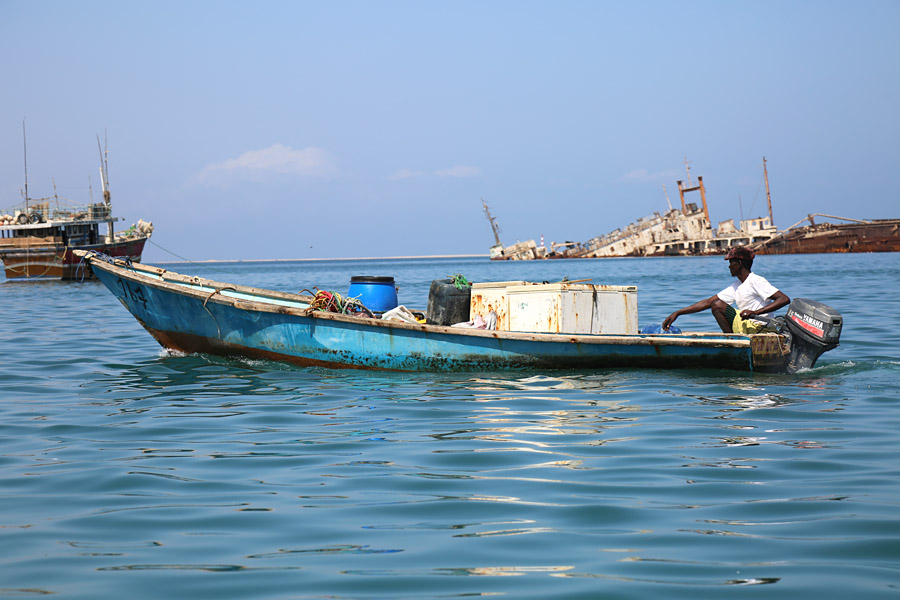
›Hundreds of Yemenis have been killed since Houthi rebels overthrew President Abdu Rabu Mansour Hadi at the beginning of April. The instability next door has led Saudi Arabia to intervene with a bombing campaign and, most recently, impose a blockade of Yemen’s port cities to cut off what they claim is Iranian resupply of rebels. Besides blocking weapons though, the blockade is also having a major impact on food security and food assistance, and is even affecting livelihoods in Somalia.
Showing posts from category oceans.
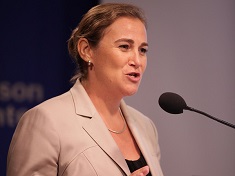 “The relationship between human health…and environmental changes is extremely complex,” says Sally Edwards, advisor for sustainable development and environmental health of the