-
Managing Mountains for Ecological Services and Environmental Security
›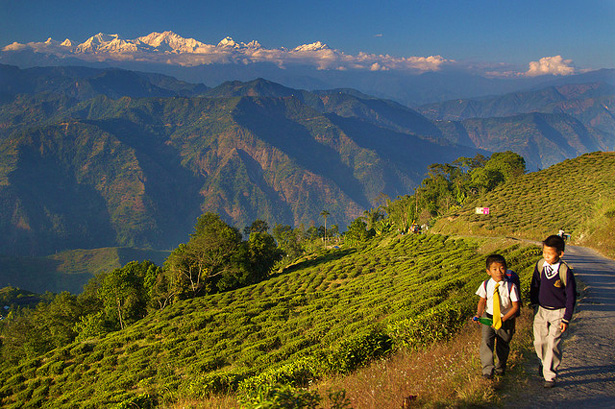
High mountain regions face grave environmental challenges with climate change impacts already as severe as any place on earth. Temperature increases are expected to be greater at higher altitudes than at sea level, and glaciers and snowfields are retreating in many areas, increasing the risk of catastrophic glacial lake outburst floods, affecting fresh water supplies for hundreds of millions of people, and exacerbating territorial and natural resource disputes.
-
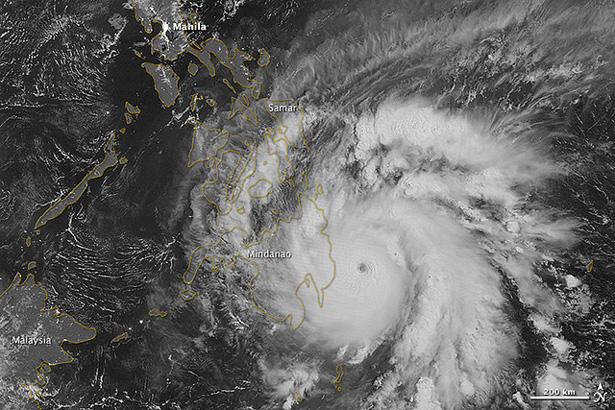
Super Typhoon Bopha Shows Why Developing Countries Are Most Vulnerable to Climate Change
›January 15, 2013 // By Carolyn Lamere
If Hurricane Sandy was a wake-up call for many in the United States to the kind of extreme weather that climate change is expected to bring, Typhoon Bopha, which struck the Philippines a month later, is a reminder of what makes developing regions even more vulnerable to these changes.
-
Afghanistan’s Mineral Potential, Sustainability of Development Efforts Crucial Questions, Says Wilson Center’s Michael Kugelman
›Rich, untapped deposits of gold, iron, copper, lithium, and rare earth minerals have been known in Afghanistan for decades, but recently, extensive reports from the U.S. Department of Defense and U.S. Geological Survey have shed new light on their potential value.
-
Rio+20: Impacts and Ways Forward
›After last spring’s UN Conference on Sustainable Development, popularly known as Rio+20, the Wilson Center’s Paulo Sotero said there was “a sense of frustration over the lack of new commitments from leading countries and participants.” Where do things stand and where are they headed, in light of these disappointments? Were there any silver linings? [Video Below]
-
Measuring Sustainable Development in Ethiopia’s Guraghe Zone
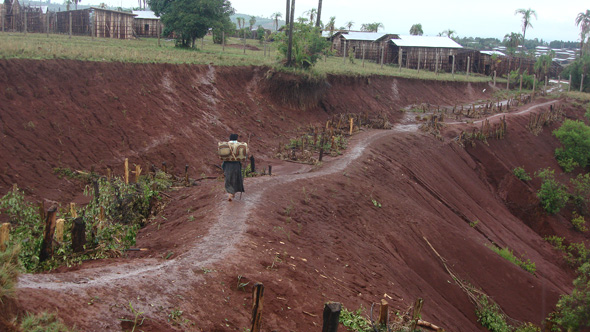
›Despite progress over the years, Ethiopia’s Guraghe zone, located in the Southern Nations, Nationalities, and People’s Region, faces many development challenges. As senior monitoring and evaluation officer in the Guraghe People’s Self-help Development Organization (GPSDO), I have been working in this region for more than five years trying to reduce poverty and improve socio-economic development. The organization as a whole has been here for more than 50.
-
Five Questions for Population, Health, and Environment Projects in Ethiopia
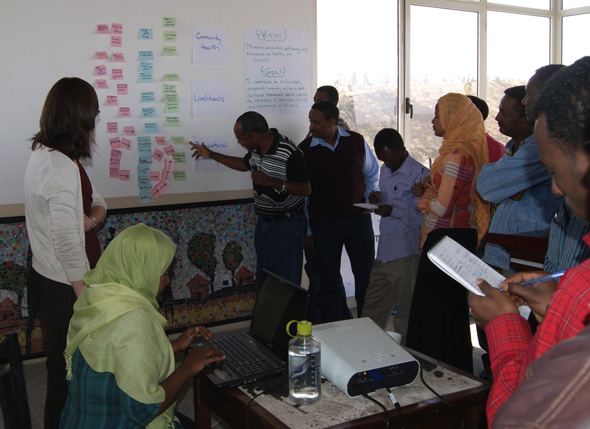
›Since the integrated population, health, and environment (PHE) approach is relatively new in international development, donors, partners, and implementers want to know how it’s improving people’s lives. In the PHE community, we believe that combining efforts to address natural resource management, reproductive health, and livelihoods is making a difference in places where rapid population growth combines with poverty and environment degradation. But to know for sure and be able to convince others, we need to have data to support those beliefs.
-
How Does Climate Change Figure Into the Feed the Future Initiative?
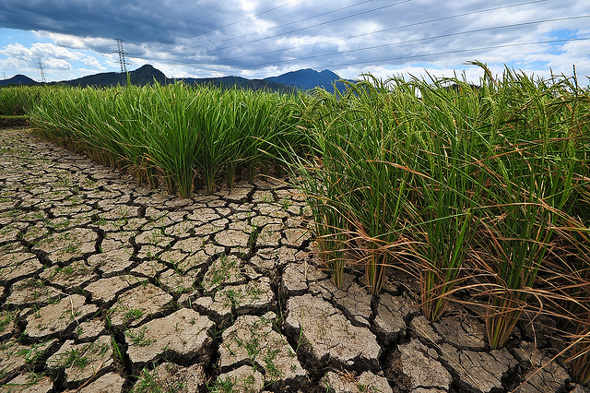
›January 7, 2013 // By Kathleen Mogelgaard1.8 million food producers using improved technologies or management practices. Nearly 9 million children reached through nutrition programs. 2.4 million hectares under improved technologies or management practices. New mechanisms for donor coordination. A forward-looking agricultural research agenda. Innovative private-sector partnerships to support smallholder farmers. These are among the successes reported for the first three years of Feed the Future, the U.S. government’s new global hunger and food security initiative.
-
Africa’s Urban Youth Cohort, and Women’s Health in Forest Communities
›As recently discussed by the National Intelligence Council, sub-Saharan Africa is home to both the most rapidly growing populations in the world and its fastest expanding cities. Save the Children’s recent report, Voices From Urban Africa: The Impact of Urban Growth on Children, explores the challenges faced by the continent’s youngest age cohort, revealing what forces are driving children and families to migrate to urban areas and the poverty many are experiencing upon getting there. In response to the report’s findings, the authors recommend training and deploying more health care workers, facilitating public-private dialogue to identify long-term water and sanitation solutions, improving access to jobs and skills training, expanding access to early childhood care, and strengthening the education system to ensure widespread attendance. Compiled from 1,050 interviews, the report is unique for its first-hand accounts of the daily lives of children, their families, and community members.
Showing posts from category natural resources.