-
Minegolia: China and Mongolia’s Mining Boom
›China Environment Forum // Choke Point // July 16, 2013 // By Clement Huaweilang Dai & David Tyler GibsonChina’s economic boom appears to be contagious. Over the past few years, China’s northern neighbor has quietly caught the bug and become the world’s second-fastest growing economy, experiencing a GDP growth rate of approximately 17.3 percent in 2011.
-
Harry Verhoeven, ChinaDialogue
China Shifting Balance of Power in Nile River Basin
›
The original version of this article, by Harry Verhoeven, appeared on ChinaDialogue.
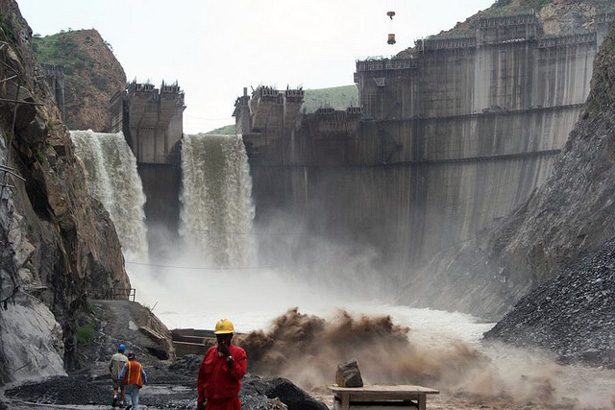
The growing intensification of economic, political and social ties between China and Africa in the last 15 years is often told as a story of copper, petrodollars, emerging Chinatowns, and bilateral visits by heads of state.
-
Stacy VanDeveer: “Green Economy” May Bring More of the Resource Curse
›
“We can’t talk about a ‘green economy,’ ‘green technologies,’ or ‘green energies’ only by talking about technologies that are stamped out at one end of a large global process and deployed for cleaner energy,” says Stacy VanDeveer in this week’s podcast.
“The green economy, or green energy transition, requires a lot of metals, and a whole lot of things that are mined,” he says. “Because of the scale of the industry now, the scale of the environmental and social change being driven by mining globally is actually quite stunning.”
-
Amidst Climate Change and Shifting Energy Markets, New Challenges for Transatlantic Security
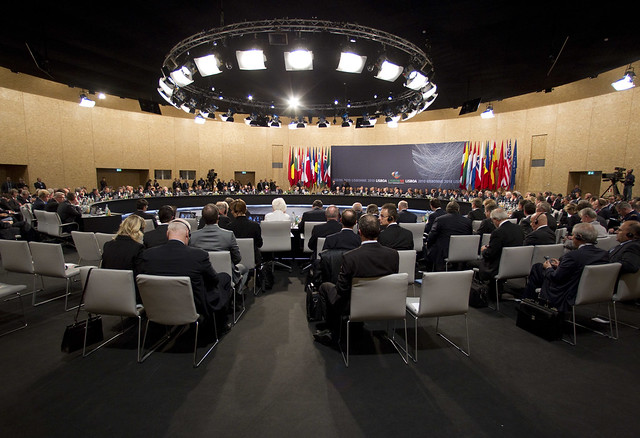
›“In the post-Cold War period, the challenges of energy, environment, climate change, and water have become very much a part of our fundamental transatlantic relationship,” said CNA General Counsel Sherri Goodman, launching a new report on U.S.-EU security at the Wilson Center. [Video Below]
-
Harmony in the Forest: Improving Lives and the Environment in Southeast Asia
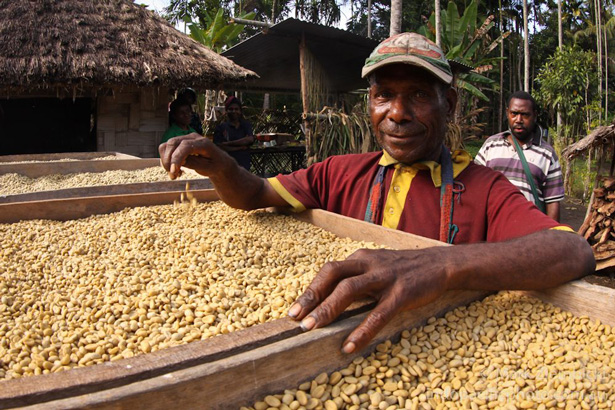
›How can NGOs and civil society promote environmental protection and improve people’s health and livelihoods in remote tropical forests? Two NGOs with innovative programs in Indonesia and Papua New Guinea spoke at the Wilson Center on May 30 about their efforts to simultaneously tackle these issues and highlight their intricate relationship.
-
Environmental Security: A Guide to the Issues (Book Preview)
›I remember the first moment when my interest in national security came crashing into ecological reality. I was on a U.S. government trip to Central Asia to inspect uranium mines in the newly-independent states of the former Soviet Union. The Cold War security imperative to achieve nuclear superiority had done a number on the environment there: Uranium was leached from the ground with sulfuric acid, transformed into a uranium oxide powder called yellowcake, and shipped off to be enriched for nuclear reactor fuel or weapons. The generals in Moscow who issued these orders did not see the collateral damage that their idea of security wreaked on the environment in Central Asia. In their attempt to out-weaponize the United States, they laid waste to the groundwater, agriculture, and public health of their own citizens.
-
Dale Lewis on Combating Poaching in Zambia’s Luangwa Valley Through Integrated Development
›June 28, 2013 // By Jacob Glass“We did something very special for the community and the resources these farmers live with. We sat down with local leaders and promised to stop spending so much time caring about the elephants, and instead create a company that will try to address community needs,” said Dale Lewis in an interview at the Wilson Center. “The deal was they had to put down their snares and guns.”
-
Ghaith Abdul-Ahad, The Guardian
The Anarchy of Syria’s Oilfields
›June 27, 2013 // By Wilson Center StaffThe original version of this article, by Ghaith Abdul-Ahad, appeared on The Guardian.
A northern wind had been blowing since early morning, lifting a veil of dust that had blocked the sun and turned the sky the color of ash. Abu Zayed was sitting on the porch of his unfinished concrete home, watching the storm build. He loved sandstorms. They reminded him of Dubai, where he had lived before the war. He admired the people there for turning a desert into a paradise. They had vision, he told his followers.
Showing posts from category natural resources.