-
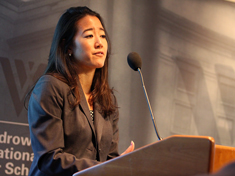
Melanie Nakagawa on Integrating Gender Into REDD+ at the Department of State and USAID
›
A central tenet of John Kerry’s time as Secretary of State has been an emphasis on climate change. In a speech in Indonesia this year, he compared the threat of changing climate conditions to terrorism and weapons of mass destruction. Though the United States has been slow to enact major climate legislation, the Department of State has developed a “road map” for responding in its own way. The REDD+ program could play a major role in this response, says Melanie Nakagawa of the department’s policy planning staff in this week’s podcast.
-
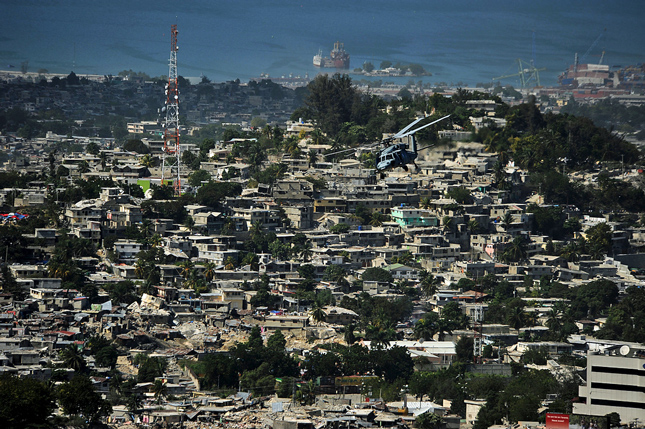
Getting Specific About Climate Conflict: Case Studies Show Need for Participatory Approaches to Adaptation
›May 28, 2014 // By Moses Jackson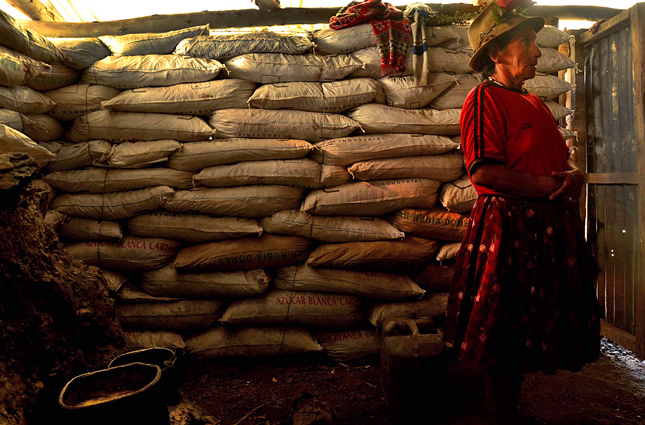
Will climate change cause conflict? That question, which has sparked heated debates in academia and the media, resists simple answers. But is climate change already contributing to conflict in some places? If so, how exactly? And more importantly, what should be done about it? These questions were the focus of a 2013 preliminary report produced for USAID by international development firm Tetra Tech ARD, which examines the climate-conflict nexus in Uganda, Ethiopia, and Peru.
-
Among Climate Threats, Military Leaders See Population Growth, Natural Resources as Key Factors
›May 22, 2014 // By Kathleen MogelgaardIn 2007, an influential analysis by 11 retired generals and admirals characterized climate change as a “threat multiplier” that could aggravate the conditions for conflict. Last week, in a follow-up report launched at the Wilson Center, members of the CNA Corporation’s Military Advisory Board framed climate change as a more direct and immediate risk, calling it a “catalyst for conflict.”
-
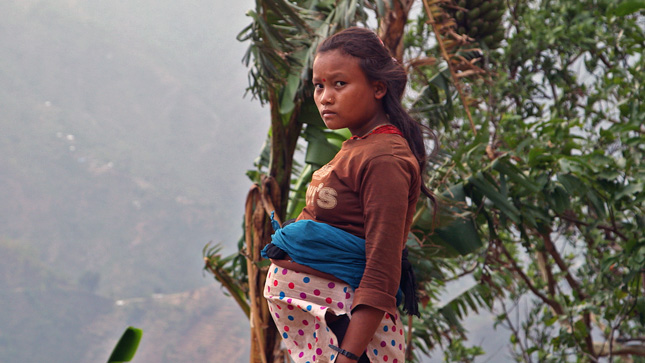
To Build Resilience Through Development, Learn From Population, Health, and Environment Programs
›May 19, 2014 // By Laurie MazurIn an era defined by climate change and other disruptions, “resilience” – the capacity to survive and thrive in times of crisis and change – is increasingly essential.
-
Russell Sticklor, CGIAR
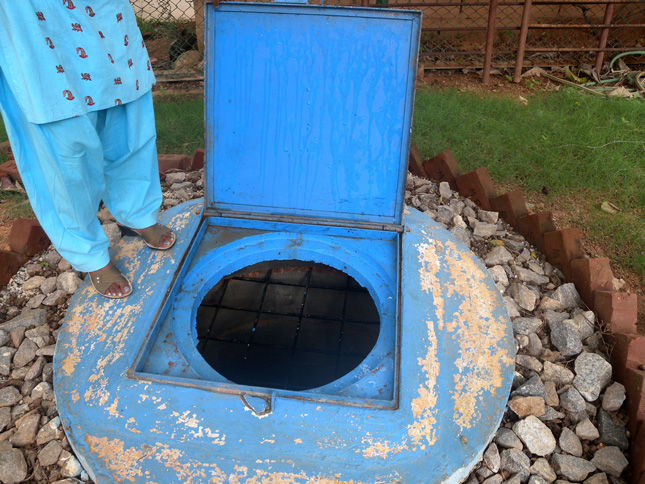
Can Underground Water Storage Mitigate Cross-Basin Tensions?
›May 16, 2014 // By Wilson Center StaffAs the earth’s surface grows hotter and precipitation becomes more variable due to the impacts of climate change, the world is in need of solutions to more effectively store water supplies. One potential solution is deceptively simple: store water in aquifers below the ground.
-
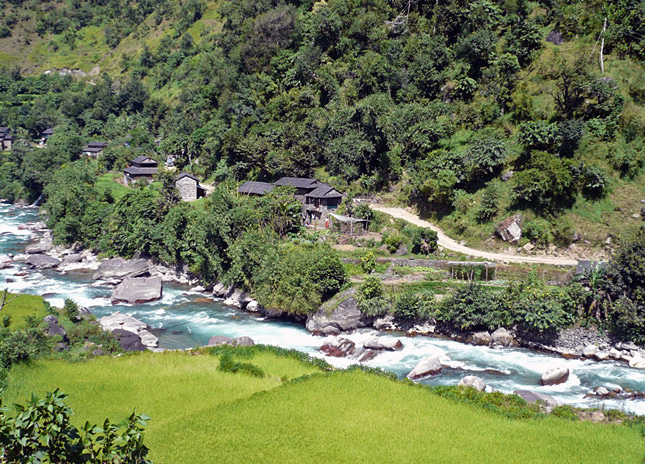
Nepal’s Micro-Hydropower Projects Have Surprising Effect on Peace Process
›The Intergovernmental Panel on Climate Change’s fifth assessment, which has been rolling out in stages since last September, confirms a crucial divide in current climate thinking: efforts to adapt and mitigate to climate change are often considered separately from the vulnerability of people.
-
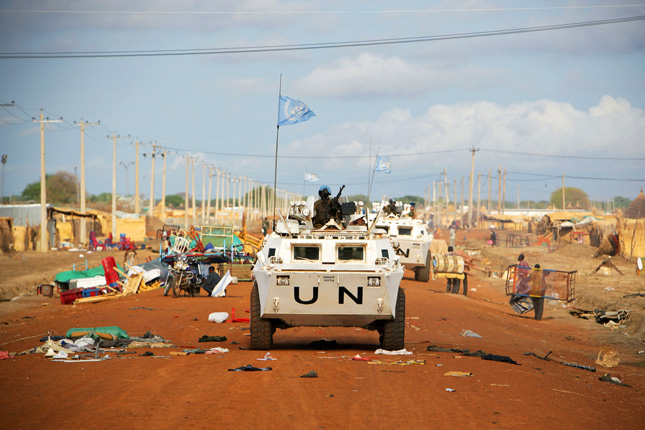
Oil in South Sudan: Turning Crisis Into Opportunity
›Outside of donor and humanitarian aid, South Sudan’s economy is almost entirely dependent on the oil sector – and that sector is in crisis.
-
ECC Platform
Transparency, Good Governance, and Natural Resource Management: An Interview With Peter Eigen
›April 30, 2014 // By Wilson Center StaffThe governance challenges of natural resource extraction are enormous. What can be done to improve natural resource governance? ECC’s Stephan Wolters talked to Peter Eigen, founder of Transparency International and chair of the Extractive Industries Transparency Initiative (EITI) from 2006 to 2011.
Showing posts from category natural resources.