-
Celeste Hicks and Laura Seay, Monkey Cage
Governance, Gender, and No Guarantees in Africa’s Oil-Rich States
›June 23, 2015 // By Wilson Center Staff
The discovery of oil in Chad in 1969 did not yield many immediate benefits for a population that would soon be wracked by civil war, but hopes were high by the late 1990s. Chad had largely stabilized, and a new, World Bank-backed project to build a pipeline through Cameroon to the Atlantic Ocean coast was touted as a model for socially and environmentally responsible oil exploitation in developing countries.
-
Integrated Development Project Adjusts to Burundi’s Presidential Crisis
›
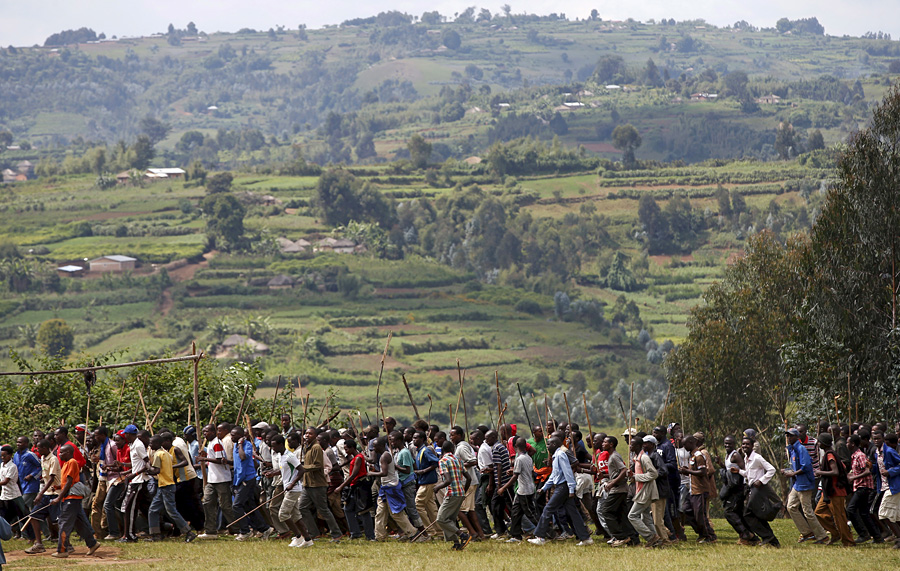
President Pierre Nkurunziza’s decision to run for a third term in April plunged Burundi into a state of unrest not seen since the end of the country’s civil war in 2005. Refugees are arriving in neighboring Tanzania, Rwanda, and the Democratic Republic of Congo (DRC) in the tens of thousands, raising the possibility that the deteriorating security situation could spill over borders.
-
How to Create a New Climate for Peace: Preventing Climate Change From Exacerbating Conflict and Fragility
›June 19, 2015 // By Lauren Herzer RisiWhen the leaders of the G7 countries – Canada, France, Germany, Italy, Japan, the United Kingdom, and the United States – met earlier this month, they agreed to make fossil fuels a thing of the past by 2100. At the same time the G7 is also taking steps to make climate change’s connection to conflict a priority in the present.
-
European Parliament Passes Conflict-Minerals Bill; UN Releases Report on Money Flows in DRC
›A new report prepared by the UN Environment Program and UN peacekeeping operation in the Democratic Republic of Congo (known as MONUSCO) found that just two percent of the total value of illicit natural resources smuggled from the country comes back to armed groups. Still, these funds, which amount to around $13 million a year, allow some 25 to 49 groups to continue operating in the country’s war-torn eastern provinces. Much more, as much as 50 percent, ends up in the hands of transnational criminal networks with the remaining profits flowing to individuals or companies elsewhere in the DRC or in Uganda, Rwanda, and Burundi. -
Adapting to Global Change: Climate Displacement, Mega-Disasters, and the Next Generation of Leaders
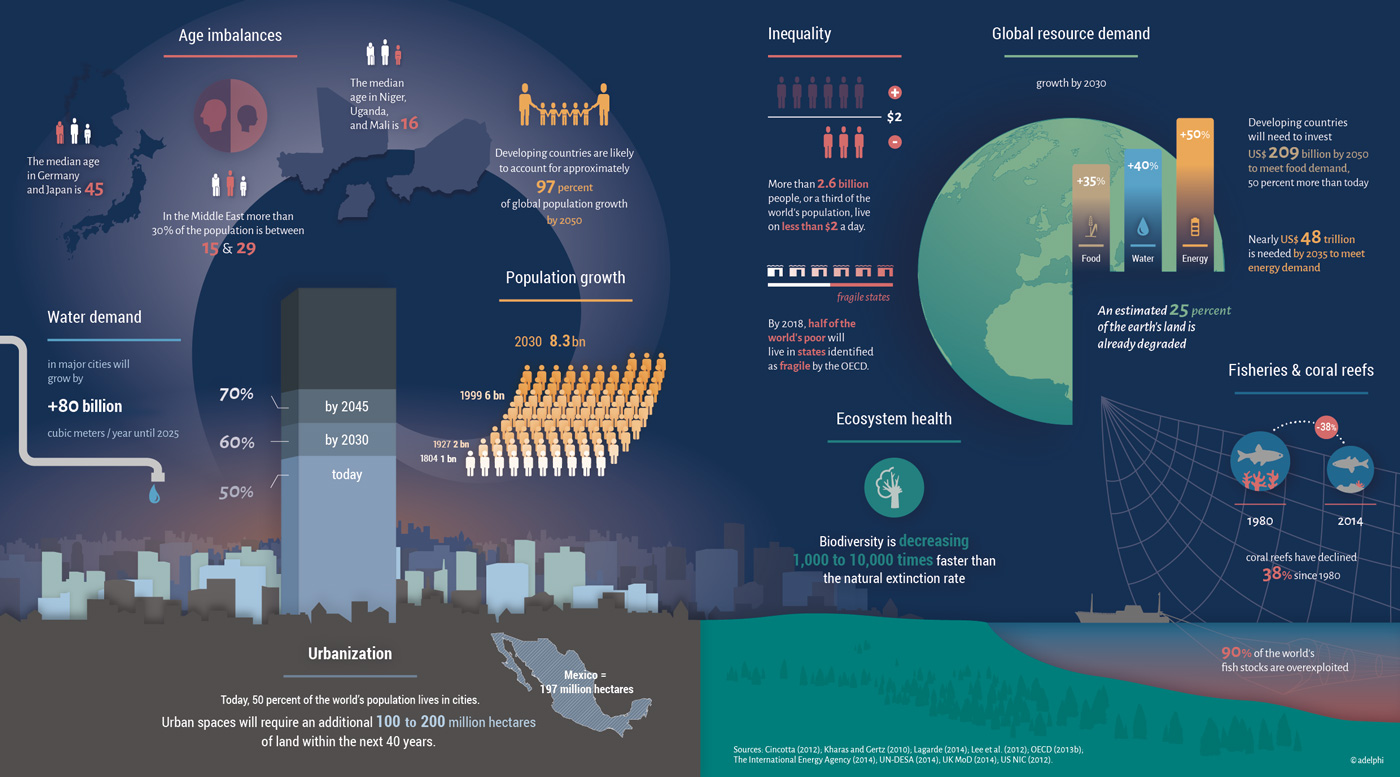
›The world is more connected than ever before, but also more complex. Big, transnational trends like climate change, urbanization, and migration are changing the calculus of geopolitics, while local-level inequalities persist. “[Change] seems to be spinning around us so fast,” said John Hempelmann, president of the Henry M. Jackson Foundation, which honors the legacy of the late senator from Washington State. How can today’s and tomorrow’s leaders adjust to global trends? [Video Below]
-
Codi Yeager-Kozacek, Circle of Blue
Middle East Conflicts Jeopardize Water for Millions
›June 15, 2015 // By Wilson Center StaffMillions of people across the Middle East face drought, scarce drinking water supplies, and poor sanitation due to civil wars and conflict. Meanwhile, resource constraints and foreign military interventions risk more severe humanitarian disasters.
-
Alice Thomas: Climate Change Effects and Responses Profoundly Undermine Human Rights
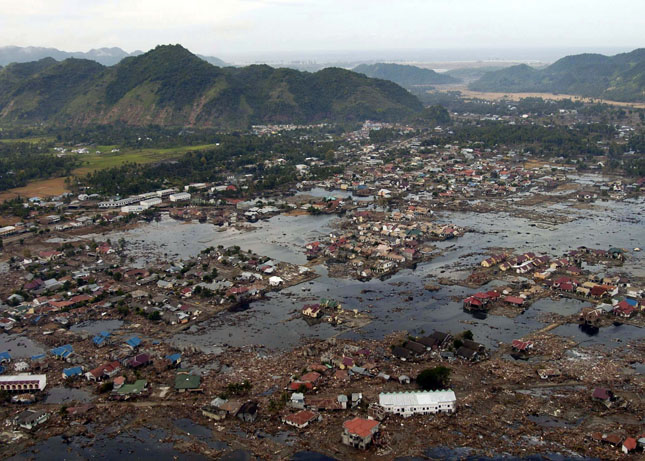
›After Typhoon Haiyan ripped across the Philippines in 2014 leveling nearly every building in sight, 4 million people – mostly poor and from coastal regions – were displaced. In response, the government set up “no build” zones in vulnerable areas and worked to move people to new land. But many of the newly relocated people discovered this land came with no access to water, electricity, or other services.
-
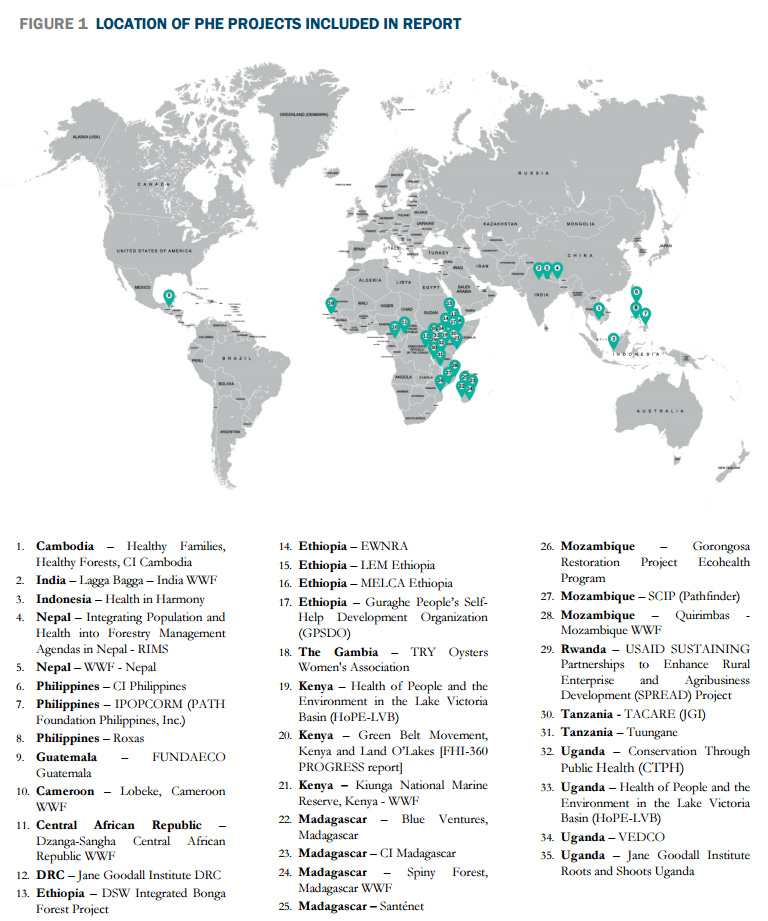
Do Population, Health, and Environment Projects Work? A Review of the Evidence
›Frequent readers of New Security Beat are no strangers to the PHE approach to development – projects, often community-based, that integrate population, health, and environmental programming in a single intervention. Practitioners suggest that such integrated programming is more effective and efficient than running simultaneous siloed projects, each focusing on a narrower objective. But does the evidence support this conclusion? How effective is the PHE approach?
Showing posts from category natural resources.