-
Keith Schneider, Circle of Blue
Drought Pushes South Africa to Water, Energy, Food Reckoning
›
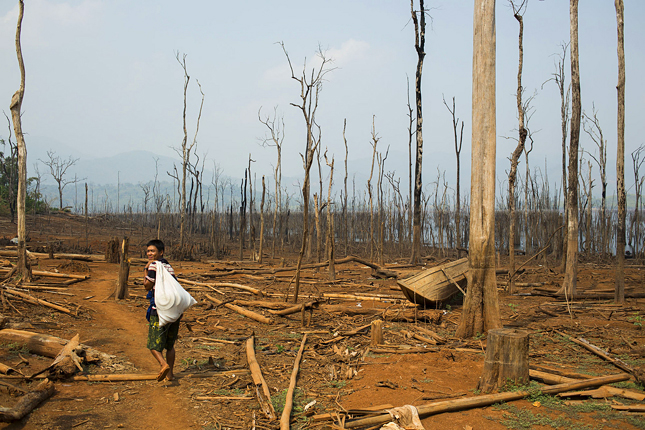
January 7, 2016 could hardly have been worse in this thunderously beautiful, water-parched, and economically reeling nation of 55 million residents at the bottom of Africa.
-
Can Myanmar Avoid Conflict Pitfalls in its Hydro Blitz?
›
Myanmar is undergoing multiple transitions, from military rule to democracy, decades of civil war to peace, and from a command economy to a market-based one. No less of an important challenge amidst this backdrop of change and hope is addressing the country’s energy poverty.
-
Kenneth Weiss, Worldwatch Institute
Environmental Researchers and the Touchy Topics of Family Planning and Population
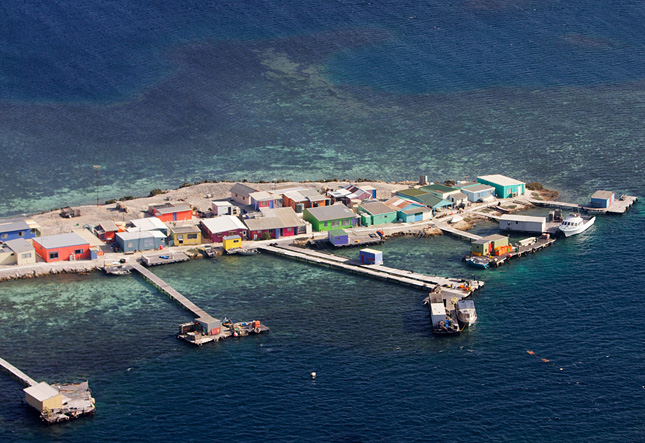
›January 20, 2016 // By Wilson Center StaffAs a young and promising marine biologist, Camilo Mora led a team of 55 scientists assessing the rapid decline of fish on the world’s coral reefs. It was a global enterprise with broad implications. Hundreds of millions of people rely on reef fish for their primary source of animal protein. Healthy reefs protect coastal communities from devastating storms and provide a multitude of livelihoods, including jobs in the fast-growing tourism industry.
-
Lessons From Uganda on Strengthening Women’s Voices in Environmental Governance
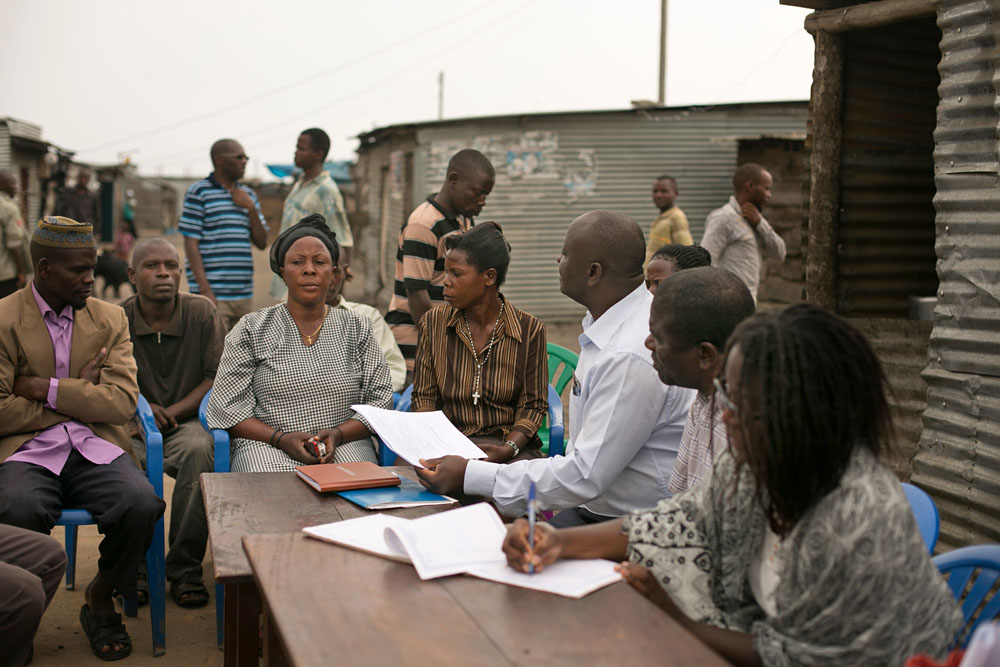
›Ask Agnes Namukasa about sustainably managing fisheries in Kachanga, the lakeshore landing site she calls home in Uganda’s Masaka District, and you will soon learn about toilets. From her perspective, community members won’t address conflict between government enforcers and fishers, competition among neighboring villages, or pollution threatening aquatic ecosystems until they can first organize to address their most pressing daily needs. And in Kachanga, where chronic childhood diarrhea and a host of other illnesses stem from poor sanitation, those essentials include public latrines.
-
Fire and Oil: The Collateral Environmental Damage of Airstrikes on ISIS Oil Facilities
›As the United States, Russia, and others step up attacks on the self-proclaimed Islamic State in Iraq and Syria (ISIS), there is concern over their direct and long-term environmental and public health impacts. Many air strikes have targeted lucrative oil installations under the control of ISIS, and these could have severe detrimental effects for Syria’s future, both environmentally and socio-economically. Questions around the effectiveness of these strikes, both from a military and political perspective, seem to be missing in the wider debate.
-
Missing the Big Picture in Challenging Africa’s “Land Grab” Narrative
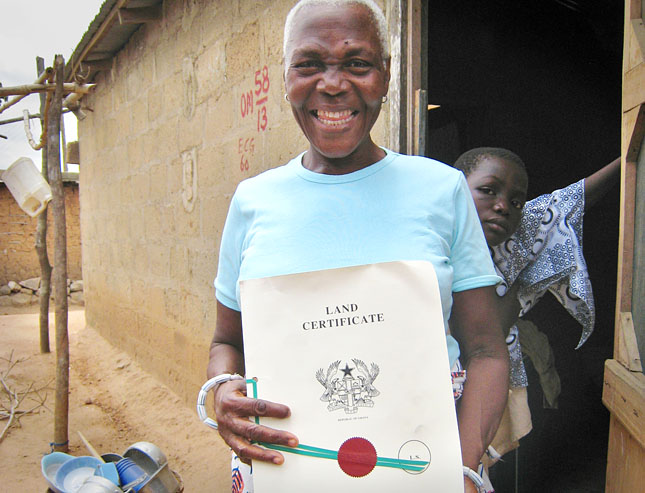
›Who walks away from fertile agricultural land available to lease for as little as $1 per year per hectare? Recent reports indicate international investors are doing just that across sub-Saharan Africa.
-
Modi’s Grand Plan to Divert Himalayan Rivers Faces Obstacles
›One of Prime Minister Narendra Modi’s first priorities after winning an overwhelming victory last year on a platform of development and growth is to fast-track a decades-old plan to link India’s rivers.
-
John Wihbey, Yale Climate Connections
Nuancing “Climate Refugee” Language and Images
›December 18, 2015 // By Wilson Center StaffMigrants and Syrian refugees have become the new “stranded polar bear” of climate change imagery. But most such impacts will seldom be so dramatic or camera-ready.
Showing posts from category natural resources.