-
Calming the Waters: Why We Need to Better Integrate Climate and Water Policy
›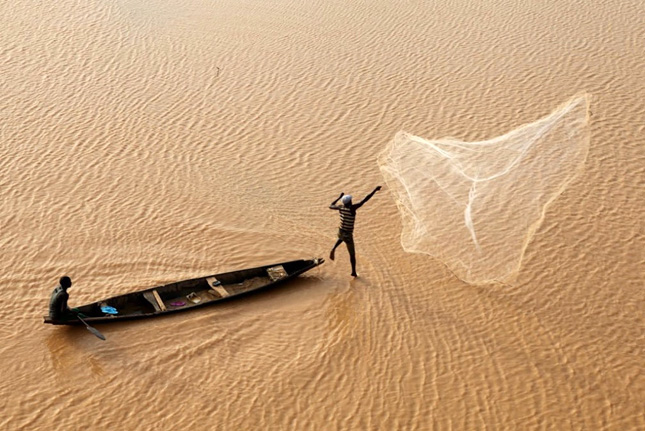
The Nile River is shared by 11 countries, for which it is vital for food and energy production, freshwater, and as a means of transportation. Sharing the resources of the Nile has, however, been politically difficult. Recently, the construction of the Grand Ethiopian Renaissance Dam has caused a major dispute with downstream Egypt which fears the dam will affect water flow in its own territory.
-
UNEP Releases GEO-6 North American Region Report: A Good Grade, With Qualifications
›
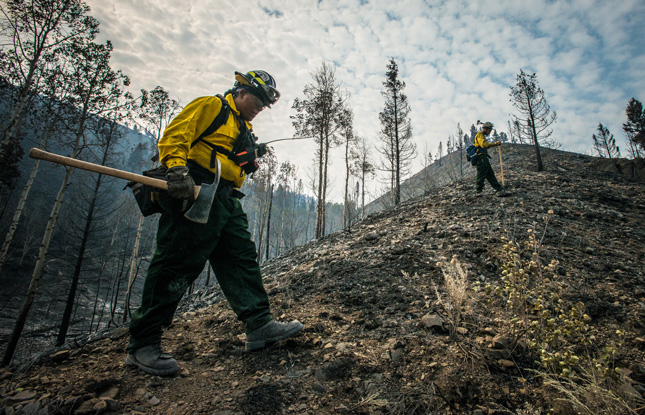
With so much focus on global environmental problems, many may wonder how their region is faring more specifically. This is the sentiment behind the United Nations Environment Program’s process for the latest iteration of its flagship assessment, the Global Environmental Outlook 6 (GEO-6). [Video Below]
-
Deep Trouble: Emerging Resource Competition in the Deep Sea
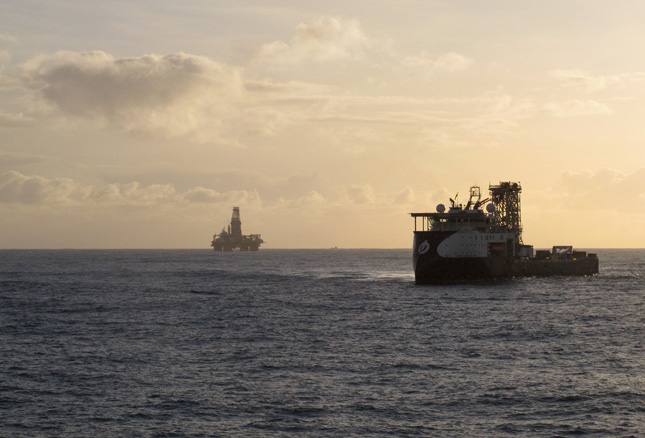
›It might seem strange to say that the deep sea, the vast expanse of the world’s oceans beyond the continental shelf, is at risk of conflict and competition. After all, no one lives there, and as is often said, more is known about the surface of the moon than most parts of the ocean floor. But the fact is, even the cold, dark reaches of the ocean are no longer immune to resource competition between the world’s major powers.
-
Rowand Jacobsen, Ensia
Can New Water Tech Help Reduce Conflict in Middle East?
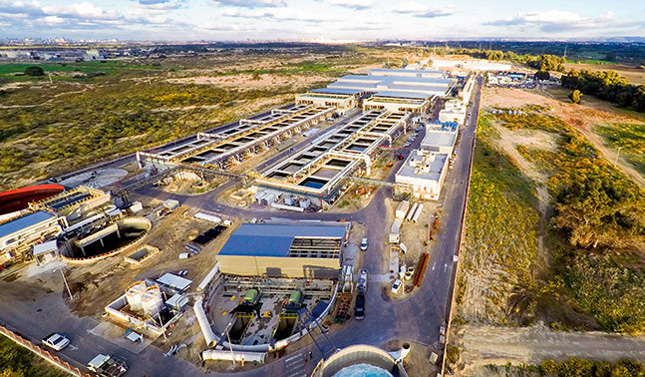
›August 9, 2016 // By Wilson Center StaffTen miles south of Tel Aviv, I stand on a catwalk over two concrete reservoirs the size of football fields and watch water pour into them from a massive pipe emerging from the sand. The pipe is so large I could walk through it standing upright, were it not full of Mediterranean seawater pumped from an intake a mile offshore.
-
Is Shanghai’s Appetite for Sand Killing China’s Biggest Lake?
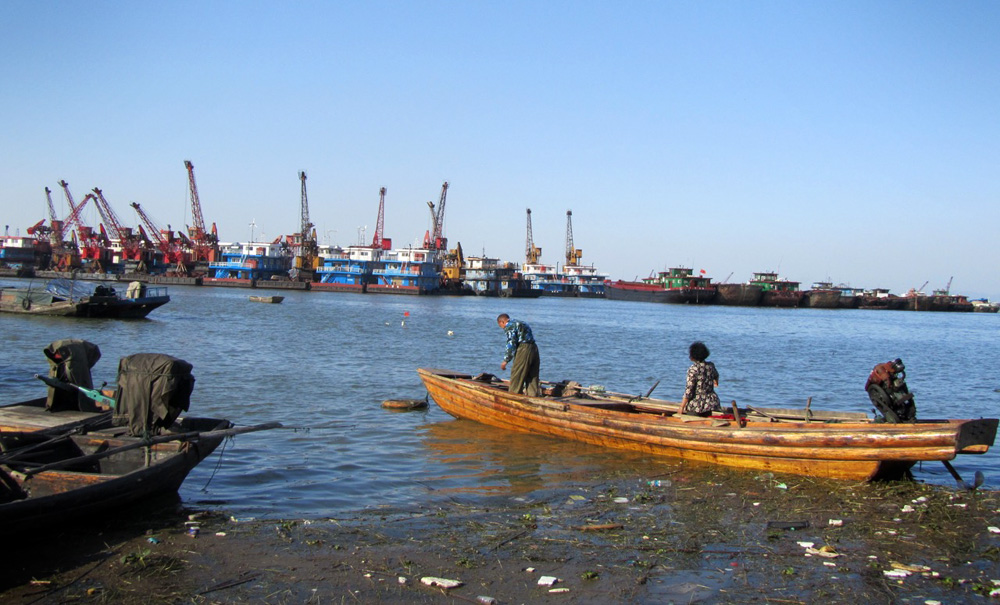
›Times are good for Fey Wei Dong. A genial, middle-aged businessman based in Hangzhou, Fey says he is raking in the equivalent of $225,000 a year from trading in the humblest of commodities: sand.
-
Tracking Illegal Fishing in West Africa, and Improving Soil Data to Better Model Climate Effects
›Overfishing by foreign fleets in West Africa is leading to devastating social and economic consequences. In a report from the Overseas Development Institute, an independent think tank based in London, researchers use satellite data to assess the scale of two kinds of illegal, unreported, and unregulated fishing: “reefers,” or large-scale commercial vessels receiving and freezing fish at sea and at port, and large refrigerated container ships that are registered in countries with less stringent enforcement regulations than that of the ship’s owners. -
Governance in Focus: Insights from the International Expert Forum on Climate Change and Conflict
›The International Expert Forum (IEF) is a series of seminars meant to facilitate dialogue between experts and policymakers on peace and security. Meeting in Stockholm this past May, the forum explored the connections between environmental issues, peacebuilding, and conflict while considering how environmental governance can aid in peacebuilding. The summary brief produced after the forum provides a useful snapshot of a fast-changing field of study.
-
How Infrastructure Helps Determine the Risk of Violence Following Drought
›One fear of climate change is that more variable weather conditions will lead to violence and chaos in some places. But looking at it methodically, do erratic weather conditions actually lead to violent conflict and political instability? Not necessarily.
Showing posts from category natural resources.