-
Women Are the Secret Weapon for Better Water Management
›December 11, 2018 // By Wilson Center Staff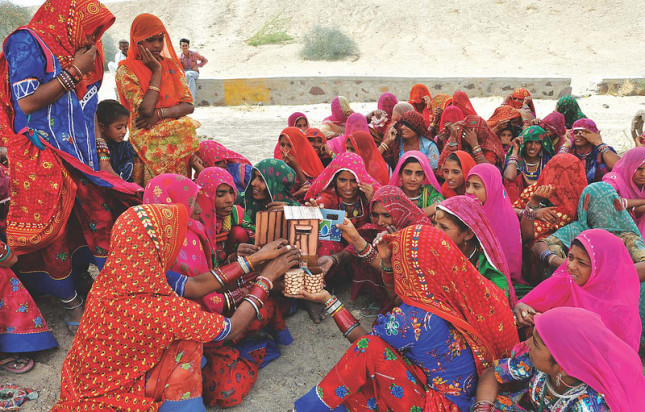
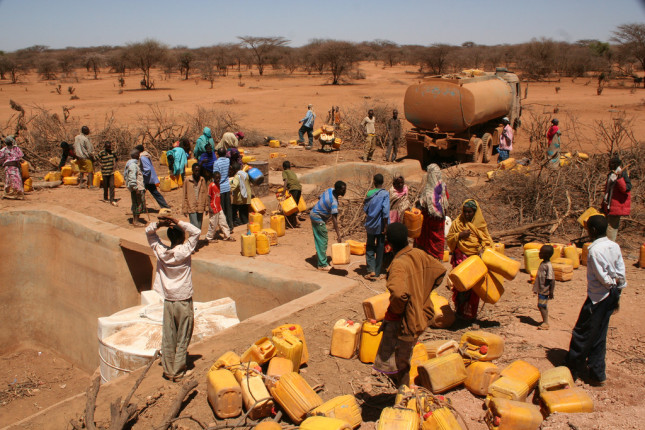
In the 1980s, the government of Malawi began providing piped water to low-income households in 50 districts, establishing community-run tap committees to collect bills and manage systems. Men made up 90 percent of committee memberships—and problems quickly became apparent.
-
Power Play: Can Micro-Hydropower Electrify Remote Afghanistan and Promote Peace?
›
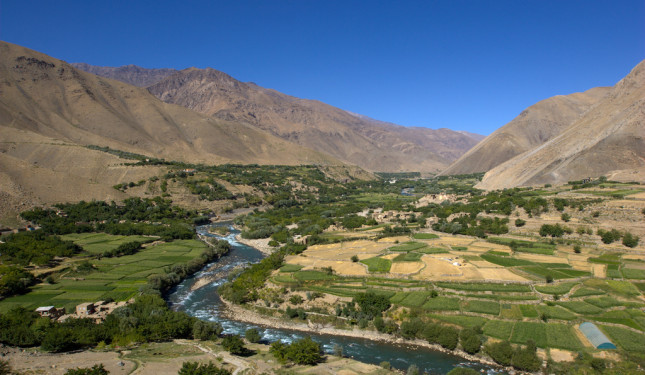
After close to 40 years of armed conflict, Afghanistan may be poised to begin a period of economic recovery. Electrifying remote areas and establishing pervasive political control is critical to its success. India is currently planning and funding several major hydropower projects along the Kabul River and its tributaries. Micro-hydropower is bringing electricity to remote areas such as the Banda Miralamji Village in eastern Nangarhar Province. However, in some areas far from the capital, the central government in Kabul and opposition groups are struggling for control and influence. While electrification of a village often eases poverty, health concerns, and improves communication, it does not always benefit the government in Kabul.
-
Aaron Wolf on Transboundary Water Conflict and Cooperation
›Friday Podcasts // Water Stories (Podcast Series) // November 30, 2018 // By Evan Barnard & Sharif Wahab“Countries—even countries that don’t like each other much—have, and continue to have, conversations over water resources, even when they won’t about other issues,” says Aaron Wolf, Director of Water Conflict Management and Transformation at Oregon State University, in this week’s Water Stories podcast. -
International Water Cooperation Opens the Door to Peacemaking
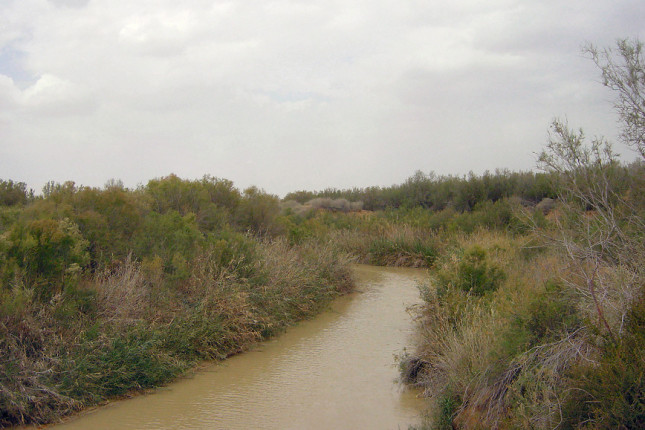
›Although water is an essential input for agriculture and industrial production, it is also scarce in many regions. When it crosses international borders via shared rivers, lakes and aquifers, it can become a source of conflict and contention. Yet while water can be a source of instability, especially in the face of climate change, it can also be a source or catalyst for cooperation and even peace.
-
Fishing without Permission: The Uncertainties and Future of Illegal Commercial Fishing
›In September, Ambassador David Balton, a Senior Fellow at the Wilson Center’s Polar Initiative, testified before the Subcommittee on Oceans, Atmosphere, Fisheries, and Coast Guard, testifying against illegal, unreported, and unregulated fishing (IUU fishing). “We don’t even know just how much illegal fishing is going on,” said Ambassador David Balton, a Senior Fellow at the Wilson Center’s Polar Institute, in a recent Wilson Center NOW interview. IUU fishing is a major threat to the global fisheries industry as well as the oceans. “Even when nations get together and establish rules for fisheries or stocks across jurisdictional lines, it’s difficult to enforce the rules against everyone, and there is unfortunately a high percentage of illegal fishing that takes place.”
-
Warning: The Amazon May Soon Reach the Point of No Return on Forest Loss
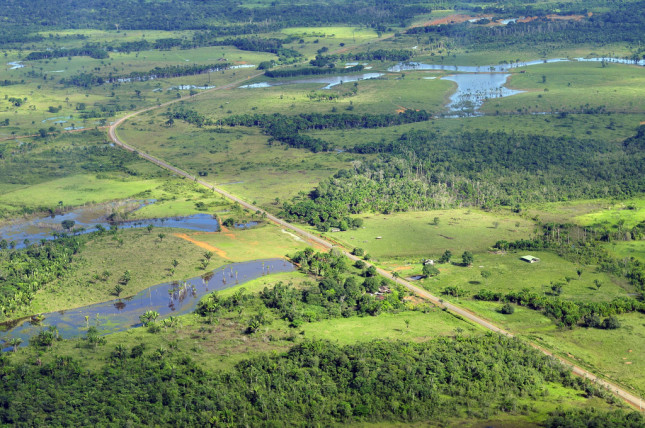
›“What we do during this decade can be critical for the future of Amazonia,” said São Paulo Research Foundation member, Paulo Artaxo, at a recent Wilson Center event on efforts to support sustainability and development in the Amazon region. The recently accelerating environmental change in the Amazon region warrants greater collaboration between the civil and scientific communities on community and international scales, according to a panel of experts.
-
Lessons from Post-Conflict States: Peacebuilding Must Factor in Environment and Climate Change
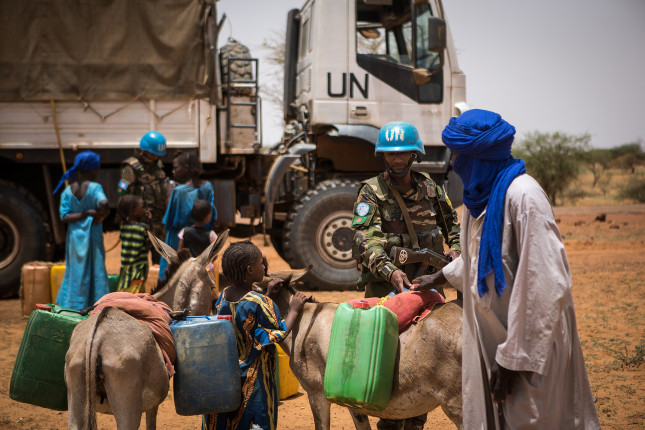
›The challenge of peacebuilding missions is not only to stop violence and prevent a rekindling of conflict, but also to help societies and governments reset their internal relations on a peaceful path towards sustaining peace.
-
The Double Burden of Climate Exposure and State Fragility
›The security implications of climate change emerged as an important area of concern in the mid 2000s in both policy circles and academia. Since then, there has been much research exploring causal pathways between climate phenomena and violent conflict, often with inconclusive or mixed results.
Showing posts from category natural resources.
 “Countries—even countries that don’t like each other much—have, and continue to have, conversations over water resources, even when they won’t about other issues,” says