-
The Environmental Peacebuilding Association: Year in Review and What’s Ahead
›
With a reduction in capacity of bilateral and multilateral institutions and a broader political retreat from environmental protection and peacebuilding, environmental peacebuilding reached a turning point in 2025. This was the conclusion of leading experts who spoke at The Year in Review and the Year Ahead webinar hosted by the Environmental Peacebuilding Association, as they reflected on the mounting constraints posed by this altered landscape.
-
Environmental Security Weekly Watch: December 1-5, 2025
›
A window into what we’re reading at the Stimson Center’s Environmental Security Program
Deforestation and Flooding Turns Fallen Timber into Projectiles in Indonesia (The New York Times)
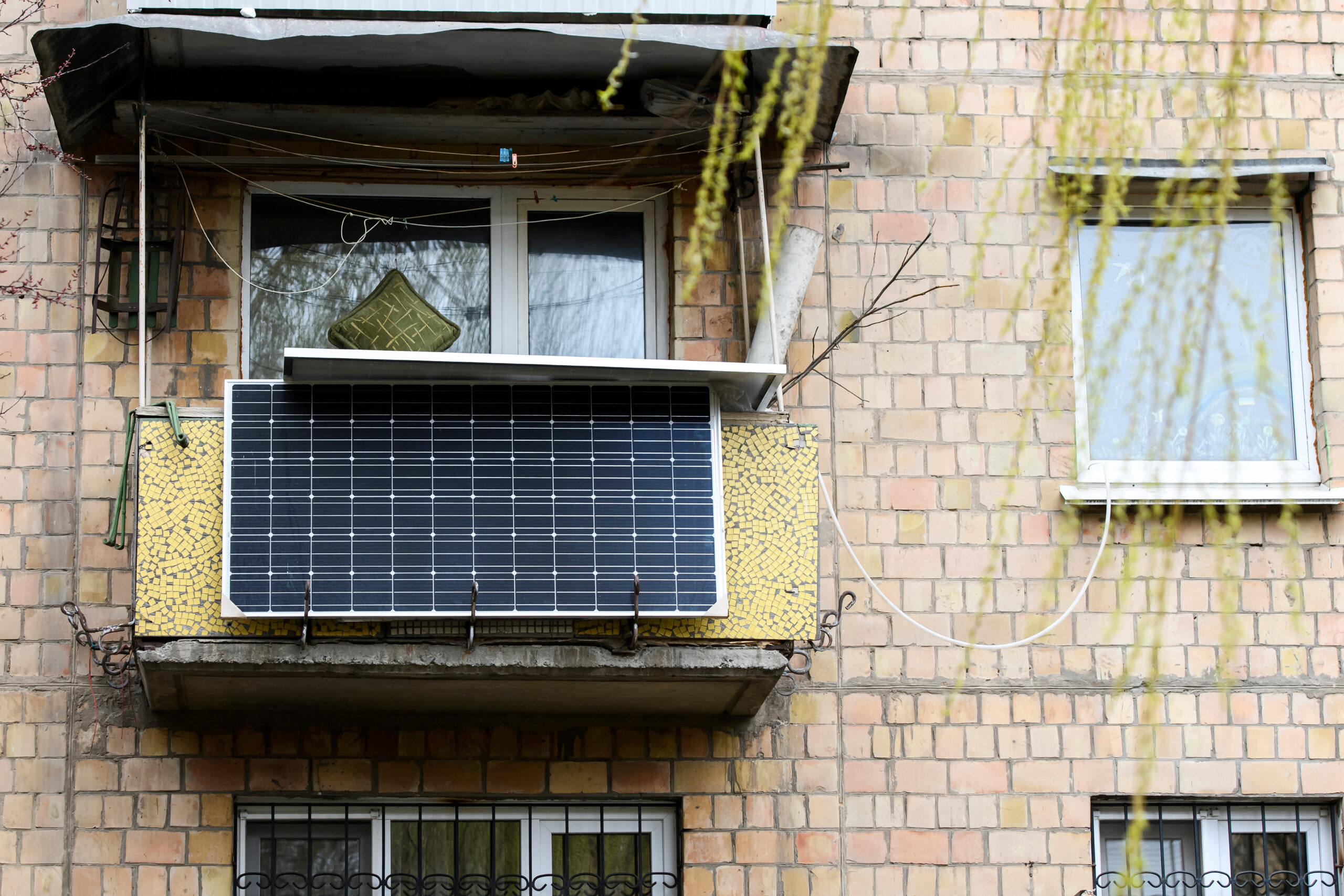
When Cyclone Senyar struck in late November, its death toll numbered 800 people across Indonesia, Malaysia, and Thailand. The Indonesian island of Sumatra saw a particular sort of damage as the storm unleashed sixteen inches of rain in parts of the island, wiped out four villages, and triggered flash floods and landslides. Decades of razing and converting natural forests into palm oil plantations, pulpwood farms, and gold mines drastically increased the region’s vulnerability to floods and landslides to the point that timber was transformed into projectiles that destroyed residences and infrastructure.
-
What Asia Can Learn from Ukraine’s Quest for Energy Security
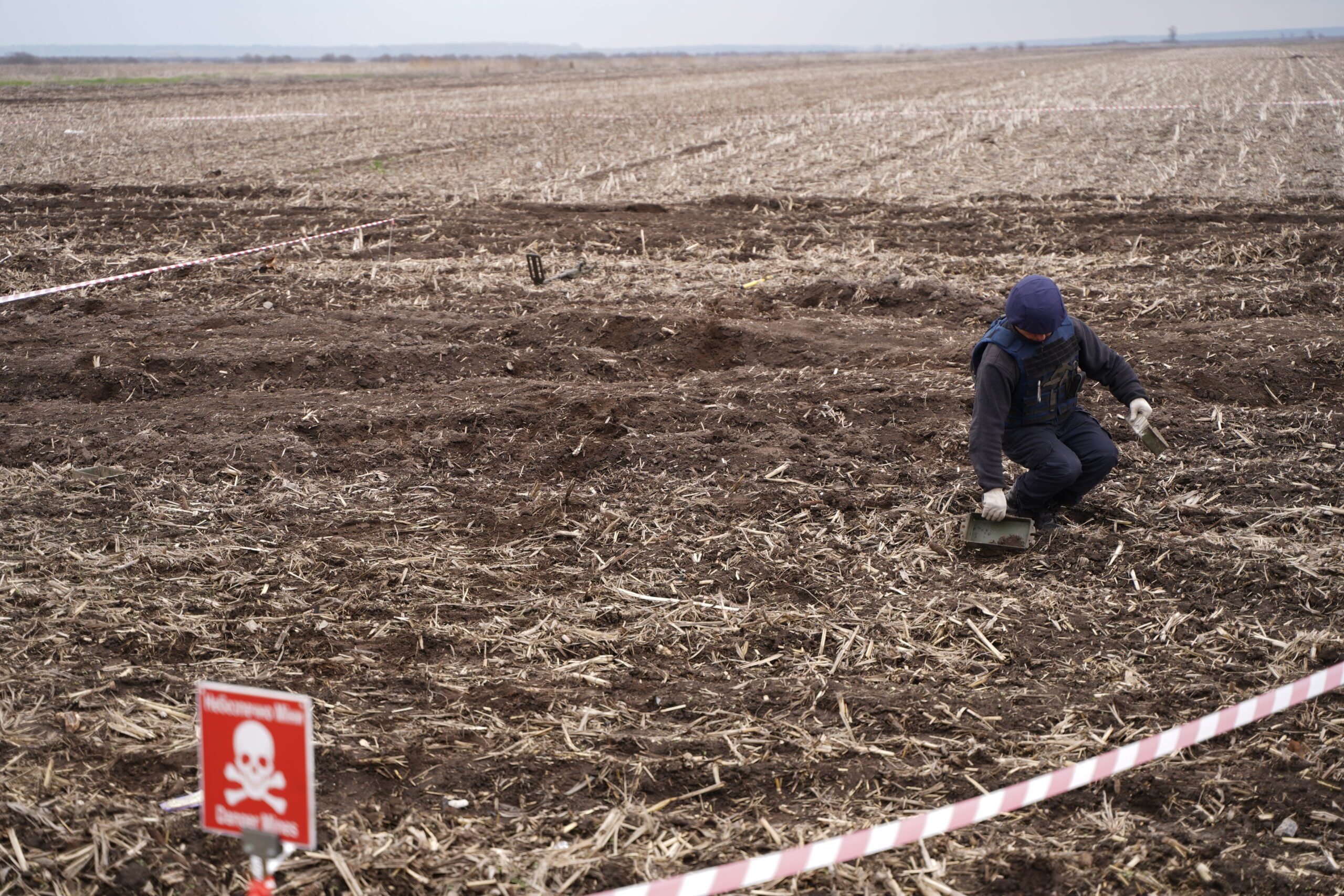
›Within a month of escalated Russian airstrikes on its energy systems in October, Ukraine secured U.S. liquified natural gas (LNG) imports via Greece for the coming winter. While this deal demonstrated both the nation’s rapid wartime agility and capacity for energy diversification, it is only one part of a broader transformation of Ukraine’s energy future.
-
Environmental Peacebuilding: The Year in Review and the Year Ahead
›As 2025 marches into its third month, the governance challenges that accompany rising demand for natural resources are not only on the front burner—they are proliferating—and becoming entangled with the drivers of conflict and cooperation.
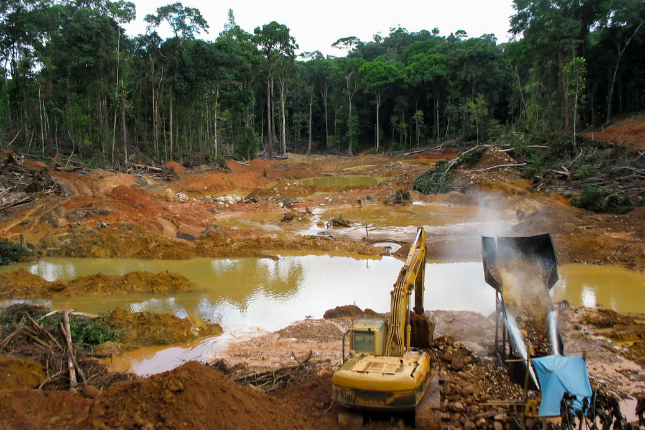
The heated competition for resources has bubbled up in a proposed billion-dollar deal for Ukrainian minerals now making global headlines. The view that critical minerals like lithium, manganese, and others could become bargaining chips in potential peace talks demonstrates how central they’ve become to global competition—and to the economic and political future of countries around the world.
-
ECSP Weekly Watch | February 24 – 28
›A window into what we’re reading at the Wilson Center’s Environmental Change and Security Program
EU Parliament Suspends Rwandan Critical Mineral Pact Over Links to DRC Conflict (Mongabay)
Rwanda and the DRC both have large reserves of critical minerals essential to the clean energy transition. Yet the EU has voted to suspend a cooperation agreement on mineral extraction in the region after the Rwandan-backed rebel group M23 seized key areas in the DRC’s eastern provinces.
-
Q&A: Julian Higuera-Florez on Harnessing Environmental Peacebuilding in Latin America and the Caribbean
›Environmental peacebuilding offers a promising framework to address deeply intertwined environmental challenges and conflict dynamics in Latin America and the Caribbean. So why has it not delivered fully on this promise? In an interview with ESCP, Julian Higuera-Florez, a research specialist in climate, peace, and security at the Alliance of Biodiversity and CIAT and CGIAR FOCUS Climate Security, discussed a new policy brief, Environmental Peacebuilding in Latin America and the Caribbean: Bridging Gaps and Harnessing Opportunities, co-authored with the UNDP Latin America and the Caribbean Hub.
-
ECSP Weekly Watch | February 17 – 21
›A window into what we’re reading at the Wilson Center’s Environmental Change and Security Program
Africa Energy Bank Aims to Boost Energy Supply (Al Jazeera)
Nearly 43% of the African continent lacks consistent access to electricity, which is the lowest level of modern energy usage in the world. A newly established Africa Energy Bank aims to boost the energy supply on the continent through investments in energy infrastructure projects.
-
Climate Change, Peace and Security: Discourse Versus Action in Asia
›This year’s World Economic Forum called for greater urgency in discussing the impacts of climate change on human security and social, political, and economic stability. And a recognition of the destabilizing effects of climate change also has led the UN to emphasize the risks they pose to the most vulnerable populations, including poor, conflict-affected, and displaced persons.
Showing posts from category natural resources.