• woodrow wilson center
  • ecsp

New Security Beat

Subscribe:
  • rss
  • mail-to
  • Who We Are
  • Topics
    • Population
    • Environment
    • Security
    • Health
    • Development
  • Columns
    • China Environment Forum
    • Choke Point
    • Dot-Mom
    • Friday Podcasts
    • Navigating the Poles
    • Reading Radar
  • Multimedia
    • Water Stories (Podcast Series)
    • Backdraft (Podcast Series)
    • Tracking the Energy Titans (Interactive)
  • Films
    • Water, Conflict, and Peacebuilding (Animated Short)
    • Paving the Way (Ethiopia)
    • Broken Landscape (India)
    • Scaling the Mountain (Nepal)
    • Healthy People, Healthy Environment (Tanzania)
  • Publications
  • Events
  • Contact Us

NewSecurityBeat

The blog of the Wilson Center's Environmental Change and Security Program
Showing posts from category mobile technology.
  • Knowledge Gaps Keep Many Women From Exercising Their Reproductive Rights

    ›
    Dot-Mom  //  Guest Contributor  //  March 11, 2015  //  By Rupali J. Limaye & Sarah V. Harlan
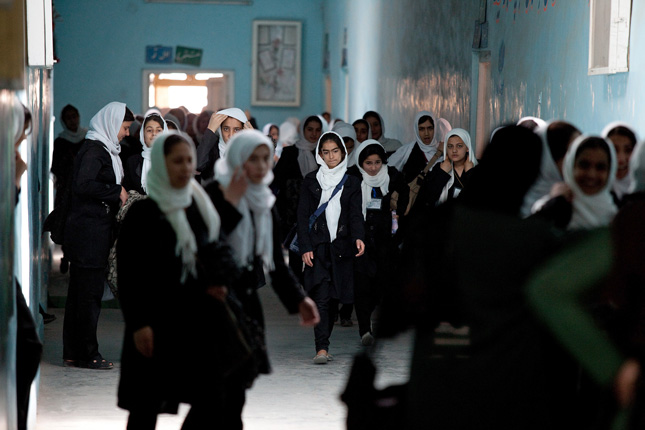
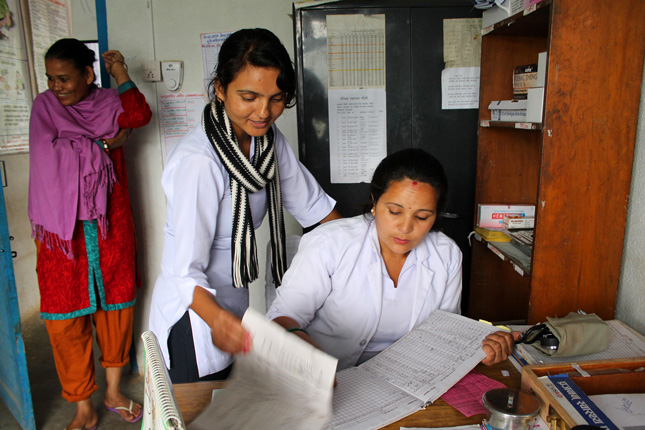
    Nepal_clinic

    March 8 marked International Women’s Day, which celebrates the economic, political, and social achievements of women in the past and present, while simultaneously calling for greater equality in the future. While many of the day’s discussions focused on economic and social issues, the right to reproductive health is also a crucial element in realizing full equality.

    MORE
  • Are We Keeping up With Asia’s Urbanization?

    ›
    Guest Contributor  //  February 2, 2015  //  By Steven Gale
    Victoria-Peak

    There is widespread agreement, and untold publications, that argue urbanization is the defining issue of our time. There are more cities, both large and small, and more people living in those cities than anytime in human history.

    MORE
  • Mobile Tech Drives Faster Data Collection for Family Planning Indicators With PMA2020

    ›
    December 22, 2014  //  By Elizabeth Leahy Madsen
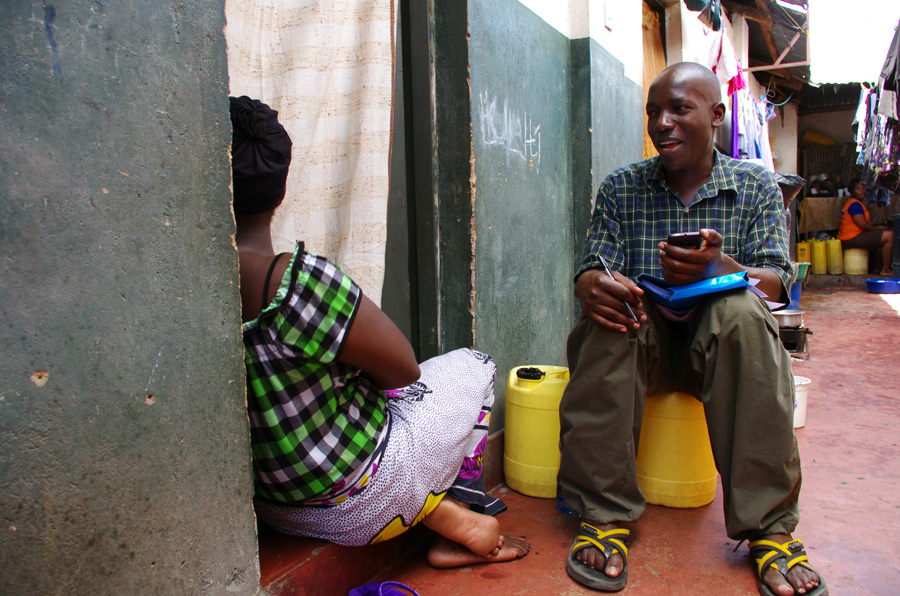
    PMA2020_Kenya

    In an effort to revamp the time-intensive process of conducting household surveys to collect health data in developing countries, a new project is using mobile phones and rapid processing techniques to generate regular updates for a tranche of indicators previously only adjusted every three to five years.

    MORE
  • Innovative Technology and Trainings Empower New Generation of Midwives

    ›
    Dot-Mom  //  From the Wilson Center  //  October 28, 2014  //  By Heather Randall
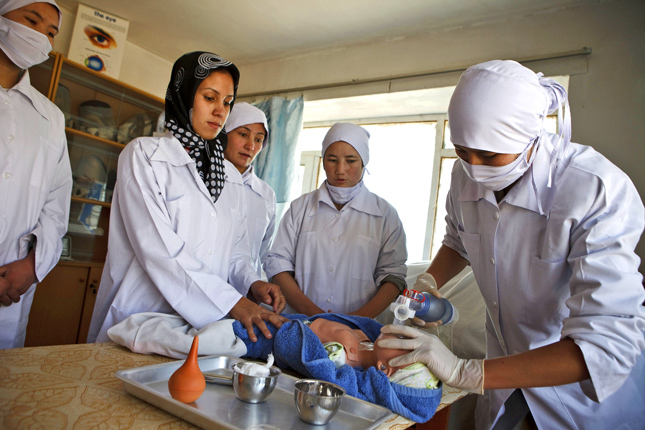
    afghan-midwives

    Imagine you are a physician working in a rural health center in a developing country. You’re helping a woman deliver her baby, and it’s just arrived but is not breathing. Meanwhile, the mother has started to hemorrhage. You’re the only one working in the clinic that day, and many life-saving treatments need to start within one minute. You have 60 seconds to make decisions that could cost the lives of two people. [Video Below]

    MORE
  • The Intergenerational Cycle of Malnutrition: How Gender and Social Status Doom Many Mothers and Newborns

    ›
    Dot-Mom  //  From the Wilson Center  //  August 13, 2014  //  By Sarah Meyerhoff
    Infant Survival Unit in Indian Hospital

    When Dr. Ranu Dhillon stumbled upon baby Reena during a routine visit to a clinic in India, she was almost comatose and unable to get the care she needed. Dhillon traveled with Reena and her mother from hospital to hospital, but left again and again without finding treatment. [Video Below] 

    MORE
  • Quality vs. Quantity: Faith Muigai on Providing Antenatal Care in Nairobi

    ›
    Dot-Mom  //  Friday Podcasts  //  July 18, 2014  //  By Sarah Meyerhoff
    faith_small

    In the quest to improve maternal health care for the world’s poorest women, getting more mothers into clinics for regular check-ups during pregnancy is often trumpeted as a critical starting point. But delivering antenatal care to women in low-resource settings is as much about quality as it is about quantity, says Faith Muigai in this week’s podcast.

    MORE
  • Kathleen Mogelgaard, Aspen Institute

    Hungry, Hot, and Crowded: The Importance of Multi-Dimensional Strategies for Resilience

    ›
    May 6, 2014  //  By Wilson Center Staff

    The original version of this article, by Kathleen Mogelgaard, appeared on the Aspen Idea Blog.

    In a world faced with rising temperatures, increasingly severe droughts and floods, and a rapidly growing population, how can people adapt to this new way of life – and even thrive? Leading experts discussed this question in-depth during an Aspen Institute Global Health and Development Program event titled, “Building Resiliency: The Importance of Food Security and Population.” The panel took place as part of the Civil Society Policy Forum at the 2014 IMF/World Bank Spring Meetings in Washington, DC.

    MORE
  • A New Model of Development? The Role of Public-Private Partnerships in International Aid

    ›
    Dot-Mom  //  From the Wilson Center  //  March 19, 2014  //  By Paris Achenbach
    NatCon

    USAID funding is “far outstripped” by private investment and business relationships in “nearly every country” in which it works – and that’s a good thing, according to USAID Administrator Rajiv Shah. [Video Below]

    MORE
Newer Posts   Older Posts
View full site

Join the Conversation

  • RSS
  • subscribe
  • facebook
  • G+
  • twitter
  • iTunes
  • podomatic
  • youtube
Tweets by NewSecurityBeat

Trending Stories

  • unfccclogo1
  • Pop at COP: Population and Family Planning at the UN Climate Negotiations

Featured Media

Backdraft Podcast

play Backdraft
Podcasts

More »

What You're Saying

  • Volunteers,At,The,Lagos,Food,Bank,Initiative,Outreach,To,Ikotun, Pan-African Response to COVID-19: New Forms of Environmental Peacebuilding Emerge
    Rashida Salifu: Great piece 👍🏾 Africa as a continent has suffered this unfortunate pandemic.But it has also...
  • A desert road near Kuqa An Unholy Trinity: Xinjiang’s Unhealthy Relationship With Coal, Water, and the Quest for Development
    Ismail: It is more historically accurate to refer to Xinjiang as East Turkistan.
  • shutterstock_1779654803 Leverage COVID-19 Data Collection Networks for Environmental Peacebuilding
    Carsten Pran: Thanks for reading! It will be interesting to see how society adapts to droves of new information in...

What We’re Reading

  • Rising rates of food instability in Latin America threaten women and Venezuelan migrants
  • Treetop sensors help Indonesia eavesdrop on forests to cut logging
  • 'Seat at the table': Women's land rights seen as key to climate fight
  • A Surprise in Africa: Air Pollution Falls as Economies Rise
  • Himalayan glacier disaster highlights climate change risks
More »
  • woodrow
  • ecsp
  • RSS Feed
  • YouTube
  • Twitter
  • Facebook
  • Home
  • Who We Are
  • Publications
  • Events
  • Wilson Center
  • Contact Us
  • Print Friendly Page

© Copyright 2007-2021. Environmental Change and Security Program.

Woodrow Wilson International Center for Scholars. All rights reserved.

Developed by Vico Rock Media

Environmental Change and Security Program

Woodrow Wilson International Center for Scholars

Ronald Reagan Building and International Trade Center

  • One Woodrow Wilson Plaza
  • 1300 Pennsylvania Ave., NW
  • Washington, DC 20004-3027

T 202-691-4000