-
Will a Welcome Peace Derail Colombia’s Sustainable Development Plans?
›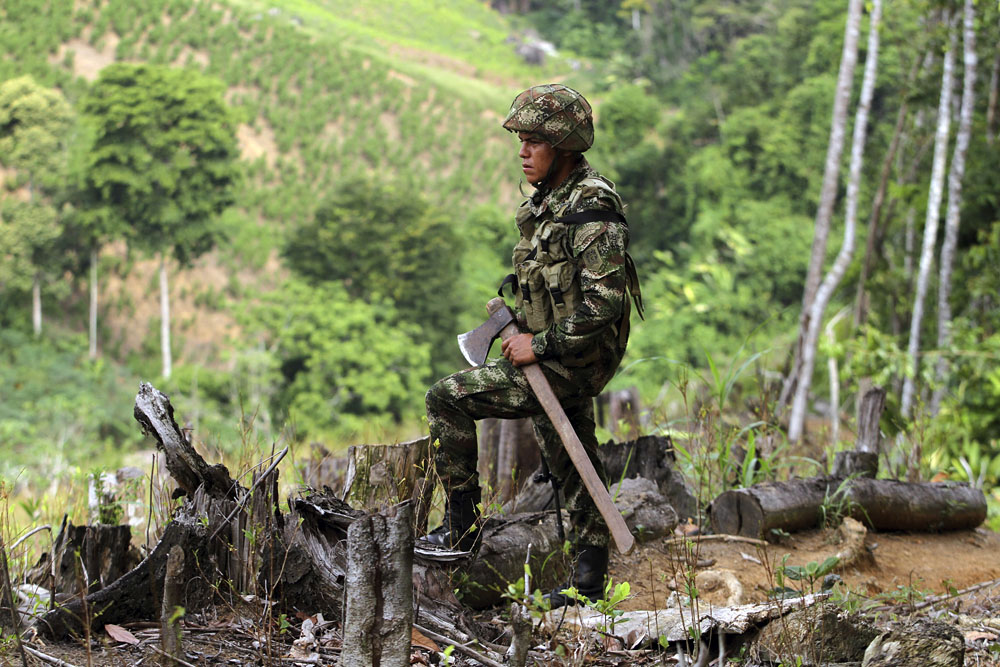
When Colombia is in the news, it’s not necessarily for the reasons we Colombians would like. We have lived through 50 years of violent conflict. Peace is a very abstract idea to most of us. Despite this we are still some of the happiest people on Earth.
-
Angola’s Oil-Soaked Kleptocracy Is an Empire Built on Inequality
›August 26, 2015 // By Josh Feng
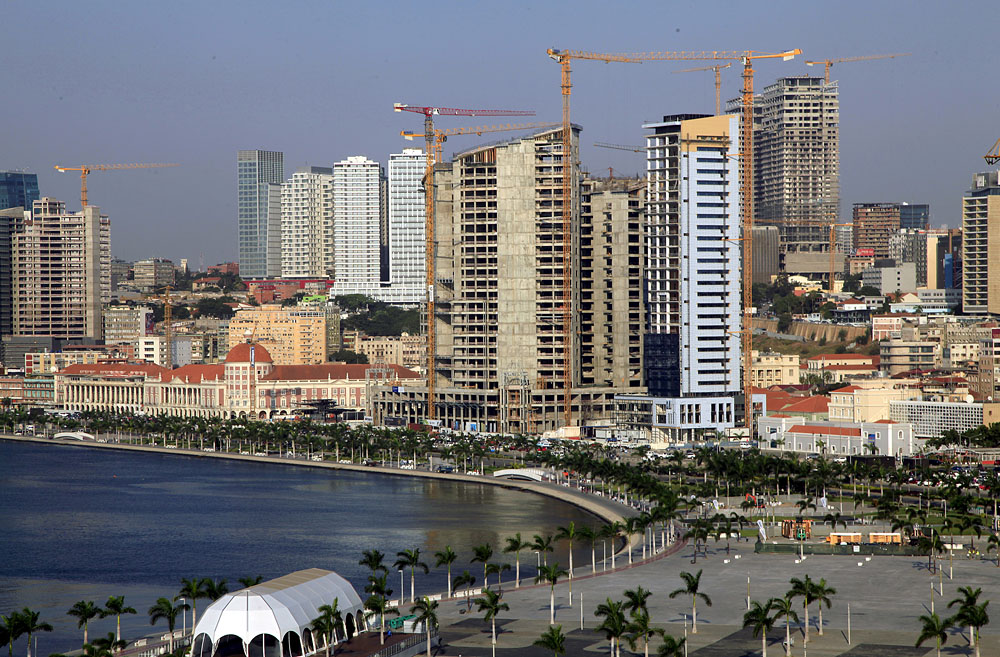
Isabel dos Santos, the daughter of Angolan President José Eduardo dos Santos and the richest woman in Africa, owes her wealth to the oil industry. Delfina Fernandes, a woman living in abject poverty in the village of Kibanga, uses gasoline as an anesthetic to dull the sheering pain of her rotting teeth.
-
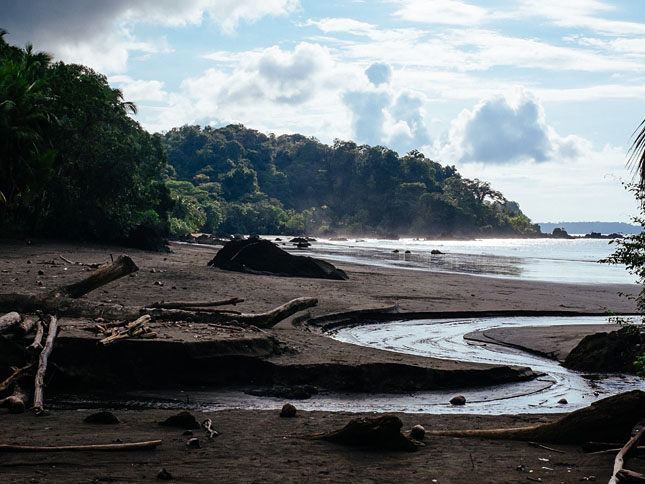
Conservation in Conflict Zones: Protecting Peace and Biodiversity in Colombia
›With a new peace process underway between the Colombian government and leaders of the Revolutionary Armed Forces of Colombia (FARC) in Cuba, the spotlight is back on this long-troubled South American country. But decades of civil conflict have overshadowed an incredible fact: Colombia is among the four most biologically diverse countries on Earth.
-
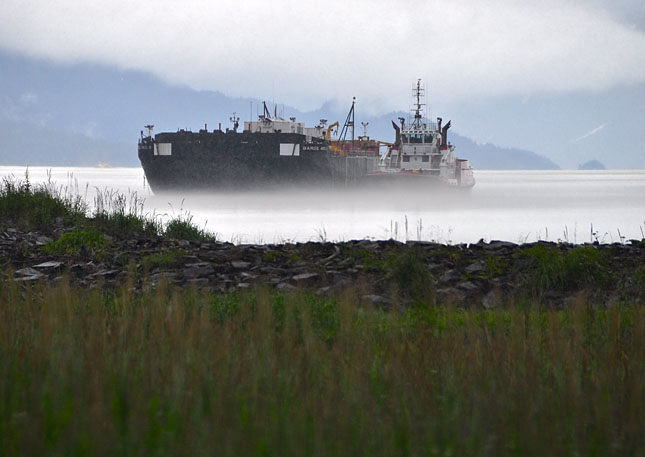
Development in U.S. and Canadian Arctic Not Only About Oil and Gas, But Providing for People
›Opportunities for research, enterprise, and exploration in the Arctic are expanding as climate change renders the northernmost reaches of the globe more accessible – and visible – than ever before. Often overlooked, however, are the people who actually live there. Four million people make their home in the resource-rich Arctic, where developers and policymakers are staking growing claims. [Video Below]
-
Providing for the Periphery: Anthony Speca on Development for Canada’s Resource-Rich Nunavut
›Rich in natural resources, poor in nearly every human development indicator. The description applies to many of the most-conflict ridden states in the world, but also to a region often forgotten in global development circles: the Arctic North. -
In Search of Higher Returns: Can Extractive Industries Help Build Peace?
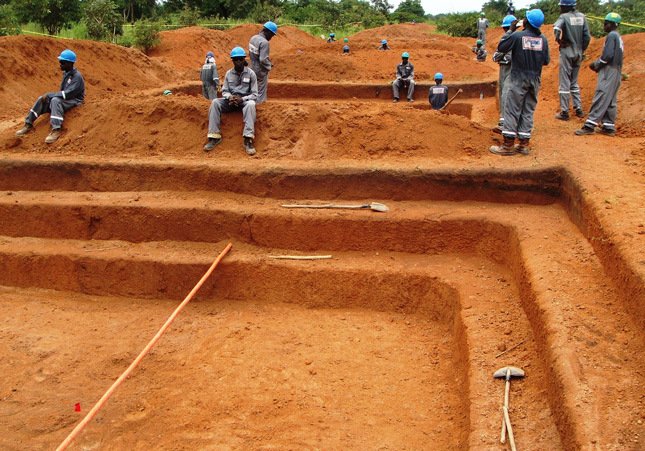
›August 3, 2015 // By Carley ChavaraIf you’re a government pondering the development of newly discovered natural resources, how do you avoid the so-called “resource curse” – the tendency of high value extractive resources, like oil, gas, or minerals, to, instead of prosperity, bring corruption, entrenched poverty, and even violence?
-
A State Divided: A Snapshot of India’s Water-Energy Choke Point
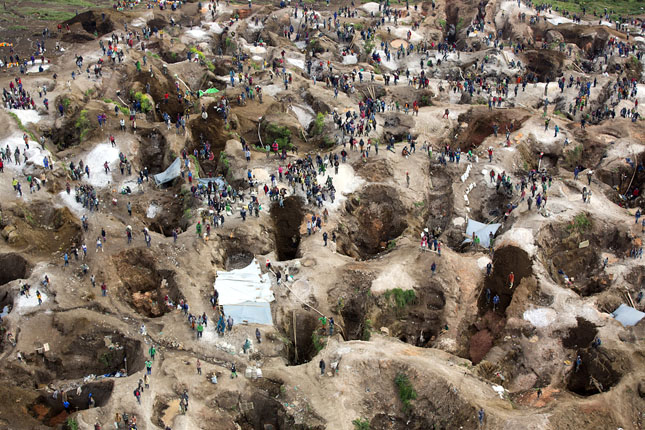
›The landscape of the northeastern Indian state of Meghalaya is rapidly changing. What was once a predominately agricultural economy has shifted to coal mining with significant consequences for people and the environment. “Once you extract coal from the land, it’s really hard to go back to an agricultural economy,” says ECSP’s Sean Peoples in an interview with Wilson Center NOW, about the Global Choke Point film, Broken Landscape.
-
Celeste Hicks and Laura Seay, Monkey Cage
Governance, Gender, and No Guarantees in Africa’s Oil-Rich States
›June 23, 2015 // By Wilson Center StaffThe discovery of oil in Chad in 1969 did not yield many immediate benefits for a population that would soon be wracked by civil war, but hopes were high by the late 1990s. Chad had largely stabilized, and a new, World Bank-backed project to build a pipeline through Cameroon to the Atlantic Ocean coast was touted as a model for socially and environmentally responsible oil exploitation in developing countries.
Showing posts from category minerals.
 Rich in natural resources, poor in nearly every human development indicator. The description applies to