• woodrow wilson center
  • ecsp

New Security Beat

Subscribe:
  • rss
  • mail-to
  • Who We Are
  • Topics
    • Population
    • Environment
    • Security
    • Health
    • Development
  • Columns
    • China Environment Forum
    • Choke Point
    • Dot-Mom
    • Friday Podcasts
    • Navigating the Poles
    • Reading Radar
  • Multimedia
    • Water Stories (Podcast Series)
    • Backdraft (Podcast Series)
    • Tracking the Energy Titans (Interactive)
  • Films
    • Water, Conflict, and Peacebuilding (Animated Short)
    • Paving the Way (Ethiopia)
    • Broken Landscape (India)
    • Scaling the Mountain (Nepal)
    • Healthy People, Healthy Environment (Tanzania)
  • Publications
  • Events
  • Contact Us

NewSecurityBeat

The blog of the Wilson Center's Environmental Change and Security Program
Showing posts from category military.

  • Blood Teak: Changing the Calculus of Myanmar’s Ethnic Conflicts

    ›
    Guest Contributor  //  April 28, 2015  //  By Jay Benson
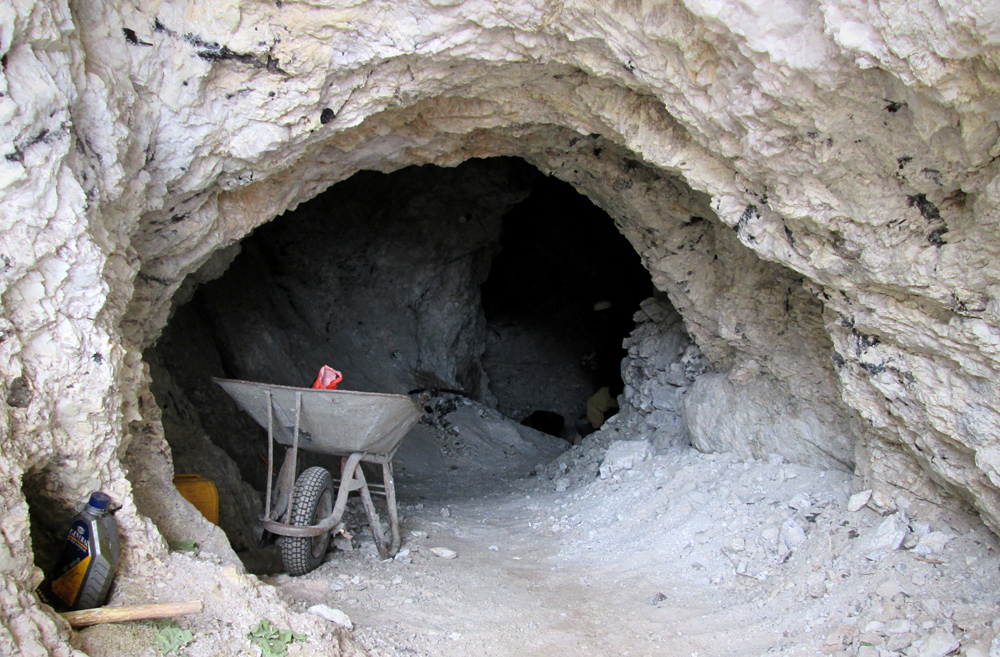
    teak-myanmar

    On March 30, the government of Myanmar and an umbrella group of 16 ethnic minority groups agreed to a draft agreement for a “nationwide ceasefire” to end decades of conflict in the country’s northern reaches. But even as the latest ceasefire was being made, two armed groups, the Myanmar National Democratic Alliance Army (MNDAA) and the Kachin Independence Army (KIA), were in open conflict with the Burmese military. Fighting in Kokang and Kachin has led to casualties in the triple digits and displaced an estimated 100,000 civilians.

    MORE
  • High Stakes: Understanding Risk and Why This Year’s Climate Negotiations Are So Important

    ›
    From the Wilson Center  //  April 6, 2015  //  By Theo Wilson
    Darfur

    Expectations for the upcoming UN climate change summit in Paris are higher than they’ve been in years. Experts expect it will be the best chance to achieve a binding, universal agreement to limit carbon emissions. But the conference is still not getting the attention it deserves from policymakers and the public, given the stakes – and not just for the environment but for the international system writ large, said Nick Mabey, founding director and chief executive of the UK-based environmental NGO E3G at the Wilson Center on February 12.

    MORE
  • The Case for Better Aid to Pakistan: Climate, Health, Demographic Challenges Demand New Approach

    ›
    March 2, 2015  //  By Kate Diamond
    Pakistan-field

    In 2009, the U.S. Congress passed a five-year, $7.5 billion aid package for a country it had all but abandoned just 10 years earlier. Indeed, if one word can summarize the U.S. relationship with Pakistan, “volatile” might be it. Since the September 11 attacks, the U.S. has appropriated nearly $61 billion in aid to Pakistan – more than twice what it received since independence in 1947.

    MORE
  • As Humanitarian Crises Multiply, Maternal Health and Safety of Women Becoming a Focus

    ›
    Dot-Mom  //  From the Wilson Center  //  February 25, 2015  //  By Katrina Braxton
    Jordan-refugee-camp2

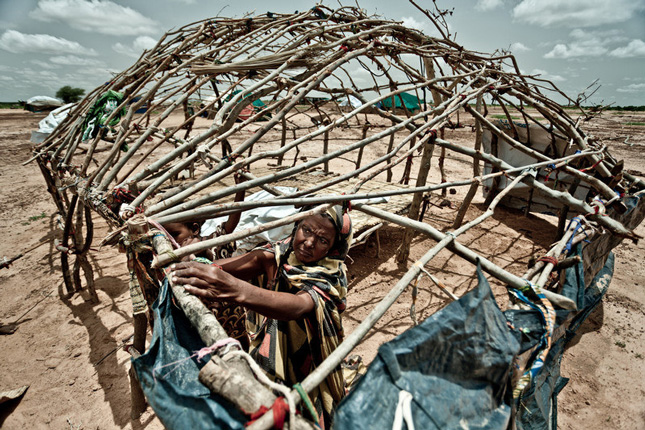
    Accessing maternal health care is already a challenge in many countries, and when conflict erupts or a disaster strikes, it can get even worse, leaving millions of women on their own while at their most vulnerable, said Ugochi Daniels, chief of humanitarian response for the UN Population Fund (UNFPA). Women and girls also become more vulnerable to violence during times of crisis, she said, by virtue of nothing but their gender. [Video Below]

    MORE
  • Can the Military Help Change the Way We Think About Energy?

    ›
    From the Wilson Center  //  January 27, 2015  //  By Schuyler Null
    Navy_Energy

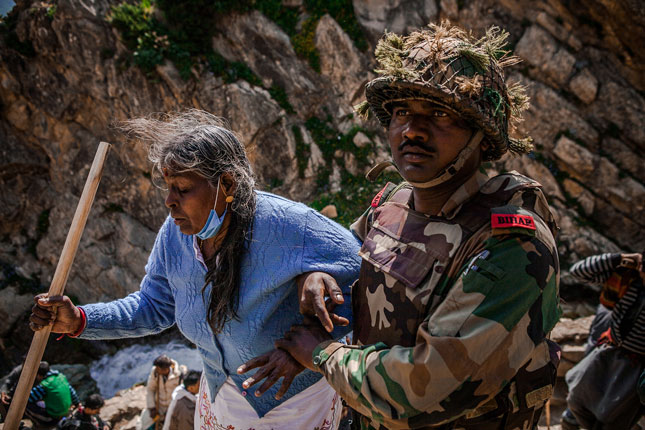
    How to stop climate change while expanding energy production is one of the biggest challenges in global development. Doing so requires all kinds of improvements in efficiency – from reducing the amount of electricity lost in transmission to better motors and lightbulbs. But, as demonstrated by recent efforts in the Pentagon, changes to how people work may be the lowest hanging fruit.

    MORE
  • The U.S. Military’s Role in Global Health; Motivating Behavioral Change Through Personal Health

    ›
    Reading Radar  //  January 19, 2015  //  By Linnea Bennett

    RR-Global-Health-Picture-CCClimate change mitigation efforts are more broadly supported when they are framed as a public health issue, according to results recently published in Climatic Change. After polling U.S. participants with political identities ranging from very liberal to very conservative, authors Nada Petrovic, Jaime Madrigano, and Lisa Zaval found most participants, except those who identified as very conservative, believed “health” to be the most compelling reason to reduce fossil fuels.

    MORE
  • ‘Extreme Realities’ Sheds Light on Links Between Global Climate Dynamics and National Security

    ›
    From the Wilson Center  //  December 12, 2014  //  By Sarah Meyerhoff

    “We cannot ignore the new reality that climate change has become a major foreign policy issue in the 21st century,” a new film by Hal and Marilyn Weiner concludes.

    MORE
  • Gerald Stang, European Union Institute for Security Studies

    Climate Change and EU Security: When and How Do They Intersect?

    ›
    December 3, 2014  //  By Wilson Center Staff
    bosnia-flooding

    The original version of this article, by Gerald Stang, appeared on the European Union Institute for Security Studies (via the International Relations and Security Network).

    The potential security challenges linked with climate change can make for great headlines. While sensationalist claims about water wars, states collapsing in chaos, or the forced migration of hundreds of millions cannot be completely discounted for the long term, intelligent mitigation and adaptation efforts can help avoid the worst of these – and manage the rest.

    MORE
Newer Posts   Older Posts
View full site

Join the Conversation

  • RSS
  • subscribe
  • facebook
  • G+
  • twitter
  • iTunes
  • podomatic
  • youtube
Tweets by NewSecurityBeat

Trending Stories

  • unfccclogo1
  • Pop at COP: Population and Family Planning at the UN Climate Negotiations

Featured Media

Backdraft Podcast

play Backdraft
Podcasts

More »

What You're Saying

  • Volunteers,At,The,Lagos,Food,Bank,Initiative,Outreach,To,Ikotun, Pan-African Response to COVID-19: New Forms of Environmental Peacebuilding Emerge
    Rashida Salifu: Great piece 👍🏾 Africa as a continent has suffered this unfortunate pandemic.But it has also...
  • A desert road near Kuqa An Unholy Trinity: Xinjiang’s Unhealthy Relationship With Coal, Water, and the Quest for Development
    Ismail: It is more historically accurate to refer to Xinjiang as East Turkistan.
  • shutterstock_1779654803 Leverage COVID-19 Data Collection Networks for Environmental Peacebuilding
    Carsten Pran: Thanks for reading! It will be interesting to see how society adapts to droves of new information in...

What We’re Reading

  • Rising rates of food instability in Latin America threaten women and Venezuelan migrants
  • Treetop sensors help Indonesia eavesdrop on forests to cut logging
  • 'Seat at the table': Women's land rights seen as key to climate fight
  • A Surprise in Africa: Air Pollution Falls as Economies Rise
  • Himalayan glacier disaster highlights climate change risks
More »
  • woodrow
  • ecsp
  • RSS Feed
  • YouTube
  • Twitter
  • Facebook
  • Home
  • Who We Are
  • Publications
  • Events
  • Wilson Center
  • Contact Us
  • Print Friendly Page

© Copyright 2007-2021. Environmental Change and Security Program.

Woodrow Wilson International Center for Scholars. All rights reserved.

Developed by Vico Rock Media

Environmental Change and Security Program

Woodrow Wilson International Center for Scholars

Ronald Reagan Building and International Trade Center

  • One Woodrow Wilson Plaza
  • 1300 Pennsylvania Ave., NW
  • Washington, DC 20004-3027

T 202-691-4000