Showing posts from category migration.
-
Meeting the Needs of Latin America’s Rural and Urban Populations
›October 14, 2010 // By Kayly OberThere are two Latin Americas according to demographers. In one of the most urbanized regions of the world, the population of some countries remains highly rural. While countries like Chile, Argentina, and Uruguay are close to 90 percent urbanized, much of Central America, as well as Ecuador, Paraguay, and Bolivia, are only about 50-60 percent urban.
Across the continent, Latin America’s total fertility rate has fallen from almost six children per woman in the 1960s to 2.2 children in 2005. Population growth rates are projected to continue to decline from 1.5 percent in 2010 to roughly 0.75 percent by 2020. But less-urbanized countries continue to experience high population growth in their rural areas, particularly among their large indigenous populations, who are not experiencing the same shifts from high to low fertility.
For example, since 1990, communities surrounding Guatemala’s Sierra de Lacandon National Park have grown by 10 percent each year, with birthrates averaging eight children per woman. These larger communities and households have led to agricultural expansion into the park, which has lost 10 percent of its forest canopy since 1990.
Rural-to-rural migration is also a key, but often overlooked, dynamic as migrants move to other rural areas in search of new land to farm. Between 1961 and 2001, Central America’s rural population increased by 59 percent. This increased population was accompanied by a 15 percent increase in deforestation, totaling some 13 million hectares.
Although many rural areas of Latin America have high fertility rates and expanding populations, they also have a high unmet demand for contraception. Indigenous populations are particularly underserved by health providers for many reasons, including cultural barriers, language, and accessibility. According to the Population Reference Bureau, an estimated 50 percent of indigenous women in the Ecuadorian Amazon do not want another child, yet 98 percent of them do not have access to a modern contraceptive method.
While reaching historically disadvantaged populations in rural communities is not easy, some programs have had considerable success—and saved money—by combining environmental and health efforts. For example, the Guatemalan NGO ProPeten trained more than 80 midwives and health promoters and developed a radio soap opera in both Spanish and Q’eqchi’ to deliver health services and environmental education to the communities living near the Maya Biosphere Reserve.
Given links between rural population growth and agricultural expansion, expanding access to family planning may not only be a cost-effective way to help women reach their desired family size, but also a smart investment in forest conservation and climate mitigation—and perhaps a down-payment on a more secure future for all. -
The Tenth Parallel: Dispatches From the Fault Line Between Christianity and Islam
›The latitudinal tenth parallel — located 700 miles above the equator — constitutes a “faith-based fault line” between Islam and Christianity, said Eliza Griswold at the launch of her latest book, The Tenth Parallel: Dispatches from the Fault Line Between Christianity and Islam at the Wilson Center on September 16, 2010. The former Wilson Center public policy scholar traveled more than 9,000 miles to six countries along the line. One quarter of the world’s Muslim population lives north of the line, while one-fourth of the world’s Christian population lives south of it.
Religious Conflict and Environmental Peacemaking
The tenth parallel is vulnerable to intense religious conflicts, exacerbated by the imposition of colonial-era national borders. Griswold collected stories from tribal leaders, presidents, and missionaries that reveal subtle linkages between religious conflict, politics, and environmental change. “Every single religious conflict I saw had a worldly trigger, whether land, oil, or water,” she said, because these groups tend to self-identify along lines of religion, “even over any kind of ethnicity.”
In the town of Abiay, Sudan, Griswold described a fight “over who’s going to get that oil, and how they’re going to divide themselves. Religion comes in as an overlay, because the north pushes the people of the south farther south by saying, ‘Guess what? We need that land, and why? Because our Muslim people need that land for their cattle,’ but underneath that land runs a river of oil.”
But in these origins of conflict Griswold finds an avenue to peace: “Environmental challenges seem to work well in areas of religious conflict” as a neutral meeting ground, she said.
For example, in the Nigerian city Kaduna, where Christians and Muslims have clashed violently, two former mortal enemies and self-avowed fundamentalists work together to deprogram the youth they trained to protect their faith through violence. At the Interfaith Reconciliation Center, Pastor James (who lost an arm to a group of Muslims) and Imam Muhammed Nurayn Ashafa use practical aspects of living to encourage interfaith dialogue. During Griswold’s visit, it was fuel-efficient cookstoves, “because that’s one of the things Christians and Muslims fight about…whether land, water, oil.”
Such concrete examples of environmental peacemaking offer future policy options for mitigating conflicts in other areas. “The tenth parallel is one of the most sensitive environmental zones in the world…so do I think it’s replicable? Absolutely,” said Griswold.
The Changing Demographics of Religion
Today, “four out of five of the world’s one billion Muslims don’t live in the Middle East; they live in Africa and they live in Asia. More than half of them live along the tenth parallel, and about half of the world’s two billion Christians also live along the tenth parallel,” sais Griswold.
She explained that the migration of Islam to Africa stopped along the tenth parallel because of the tsetse flies and the devastating sleeping sickness they carried.
Later, colonial-era European missionaries arrived, many with “the express purpose of stopping Islam from winning Africa, from spreading south of the tenth parallel,” she said. For example, Britain’s division of Sudan restricted Muslims to the north and Christians to the south, where missionaries developed and constructed the southern Sudanese state.
“Many of these places are failed states…and religion has come in largely to fill the gaps,” said Griswold. “The world is breaking down on tribal lines and religion is the largest tribe there is, more so than ethnicity, more so than other global markers.”
Based on population projections, Griswold pointed out that “the center of Christianity, in 2050 will be on the tenth parallel…in Muslim Nigeria.”
Historical Echoes
Historically, aid and development work along the tenth parallel “was not a secular enterprise,” Griswold said, since most of the aid workers were Christian missionaries. “So there is a very long history and a very strong association between the West and Christianity in many, many places,” she pointed out.
This history has long affected American foreign policy and perceptions of the United States abroad. According to Griswold, “foreign policy [has] come to reflect the interests of selective groups of Americans.” For that reason, “we really need to call for caution in how we allow ourselves to be represented and in the diversity of voices that get out there,” she advised.
For example, the evangelical preacher Franklin Graham met with Bashir in 2003 to ask for the right to proselytize in northern Sudan. In exchange, Bashir hoped to avoid being added to “the American ‘hit list’ after Afghanistan and Iraq,” reported Griswold. Graham told her that in response he took out a George W. Bush re-election pin and said, “Mr. President, I understand you’ll be talking to my president later today. Why don’t you tell him you’re his first voter here in the Sudan?”
In the same vein, Griswold cautioned against perpetuating American ignorance of Muslim culture:We, especially in America, are extremely aware of this fight over who speaks for God. Because I think, when we see what’s happening on the steps of the Lincoln Memorial or at Ground Zero, we’re looking at a struggle inside of a broader Christian context between Franklin Graham and Barack Obama over who a true Christian is. And Islam becomes the easiest bogeyman. The quickest way to whip up fear in followers is to create a shared enemy.
“The single most important finding of the book,” Griswold concluded, “was that the clashes within religions, the clashes between Christians and Christians, Muslims and Muslims, over who has the right to speak for God, are the most important and most overlooked religious conflicts going on today.”
Shawna Cuan is an intern with the Environmental Change and Security Program. Edited by Meaghan Parker.
Photo Credit: “Farmer Harvests Sorghum Seeds in Sudan,” courtesy of flickr user United Nations Photo. -
Jon Barnett on Climate Change, Small Island States, and Migration
›Contrary to the iconic image of lapping waves submerging low-lying countries, few Pacific islanders are emigrating from their homes due to climate change, according to Australian geographer Jon Barnett of the University of Melbourne.
-
Environmental Security Along the U.S.-Mexico Border
›
In 2005, the U.S. Department of Homeland Security (DHS) began the construction of a massive earthen, concrete, and metal security barrier along much of the U.S.-Mexico border, from the Pacific Ocean to the Gulf of Mexico.
Framing it as an issue of national security, DHS used provisions in the Real ID Act to waive environmental laws and citizen review for the controversial infrastructure project.
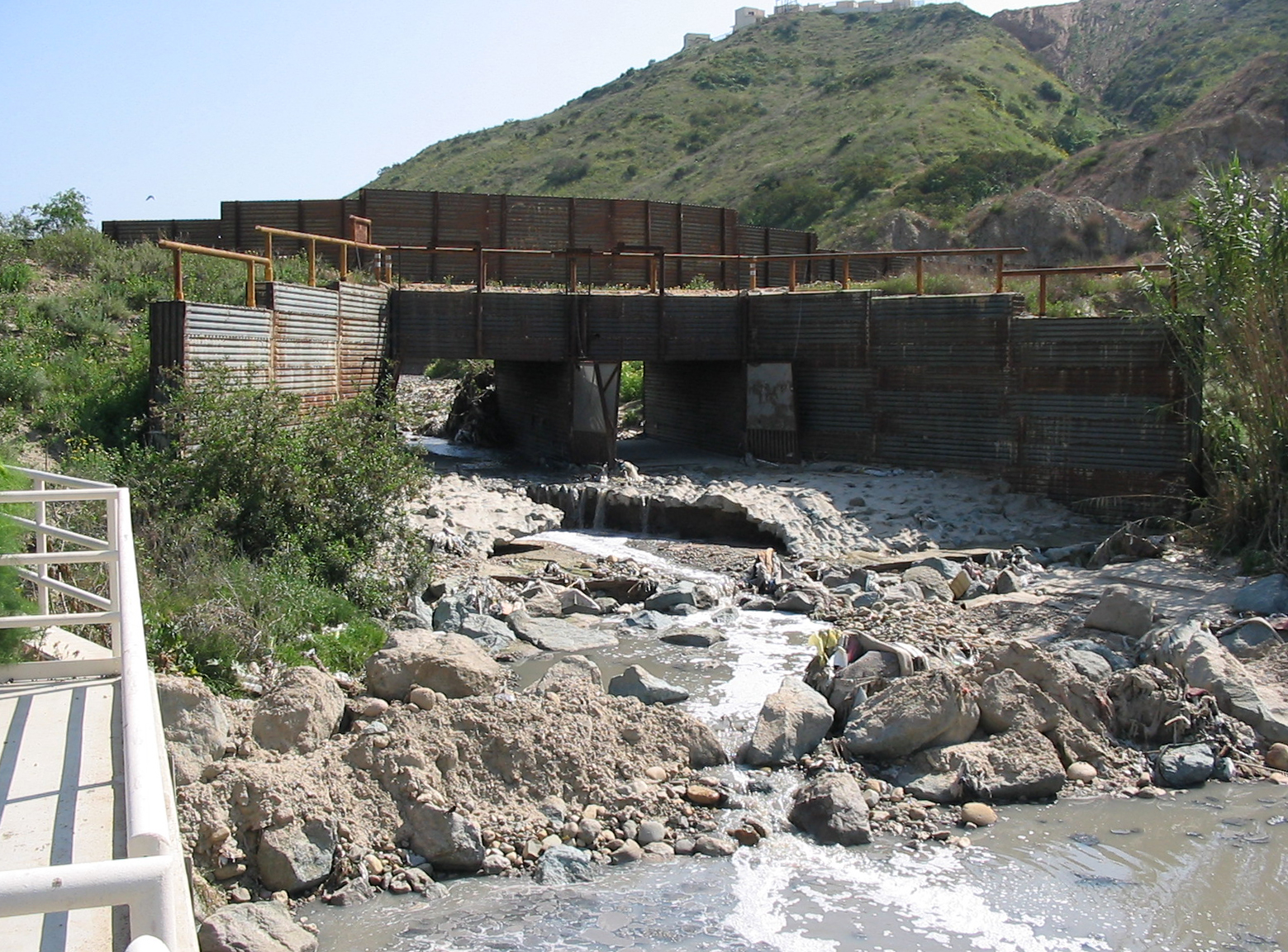
Unfortunately in Imperial Beach, California – my corner of the U.S.-Mexico border – the poorly engineered barrier has caused serious environmental mishaps and damage. In 2009 the Voice of San Diego reported that DHS circumvented numerous local and state laws in the course the barrier’s construction:Were it anyone else’s project, state regulators would’ve required irrigation to ensure that plants grew. But the federal government is responsible for the $59 million effort to complete and reinforce 3.5 miles of border fence separating San Diego and Tijuana. The Department of Homeland Security exempted itself from eight federal laws and any related state laws that would have regulated the project’s environmental impacts.
The Voice goes on to report that state water regulators also have no jurisdiction over the project since it has been exempted from the federal Clean Water Act.
“They did better engineering in 8th century China,” said Joe Sharkey of The New York Times, whom I took on a tour of the border, about the massive amphitheater of dirt that DHS dumped in Smuggler’s Gulch a few miles from the Pacific.
Ironically, while DHS has focused its efforts on the massive earthen and concrete wall, the agency has virtually ignored the tidal wave of polluted sewage water and garbage that flows across this section of the U.S.-Mexico border, a problem that makes the very people charged with safeguarding our security – border patrol agents and even Navy Seals – often unable to carry out their mission.
Over the past 20 years, border patrol agents have become ill from contact with the region’s polluted rivers, as well as the Pacific Ocean. In the Calexico-Mexicali region, border patrol agents worked directly with the Calexico New River Committee to clean up the New River – a drainage canal turned toxic hot spot.
Navy Seals based in Coronado, California, about 10 miles north of the U.S.-Mexico border, train in an area of the ocean that is directly impacted by polluted water flowing across the border from Mexico, bypassing the vaunted concrete and metal border barrier.
The organization I run, WiLDCOAST, is now working with U.S. agencies such as the International Boundary and Water Commission and the Environmental Protection Agency along with agencies in Mexico (e.g., CONANGUA and the state of Baja California) to reduce the threats to our military personnel and federal employees as well as border residents from cross-boundary pollution.
This cooperation has required a significant investment on the part of both the Mexican and U.S. governments in developing real solutions to our environmental security crisis on the border. Unfortunately the massive Berlin Wall-style barrier on our southern border is of little assistance in this effort.
Solving complex transboundary issues sometimes requires ignoring the cacophony of politics from distant capitals and instead working on the ground with colleagues from both nations who are experts in their shared geography. It appears the Obama administration is now slowly trying to repair some of the damage done to local communities, the cross-boundary relationship with Mexico, and our fragile shared environment.
But much more work and investment is needed to safeguard those we entrust to protect our security along the borderlands, as well as the residents of the region, from pollution that ignores international divisions and concrete walls. We must remember not only the national security component of our border-strengthening efforts but also the effect on human and environmental security as well.
Serge Dedina is the executive director of WiLDCOAST. He grew up and still lives on the U.S.-Mexico border in Imperial Beach, California. He is the author of Saving the Gray Whale and the forthcoming Wild Sea: Eco-Wars and Surf Stories From the Coast of the Californias.
Sources: Defenders of Wildlife, Environmental Protection Agency, University of Arizona, Voice of San Diego, WiLDCOAST.
Photo Credit: Serge Dedina. -
Yemen: Population, Environment, and Security Collide
›September 14, 2010 // By Schuyler NullThe Middle East is home to some of the fastest growing, most resource-scarce, and conflict-affected countries in the world. New Security Beat’s “Middle East at the Crossroads” series takes a look at the most challenging population, health, environment, and security issues facing the region.
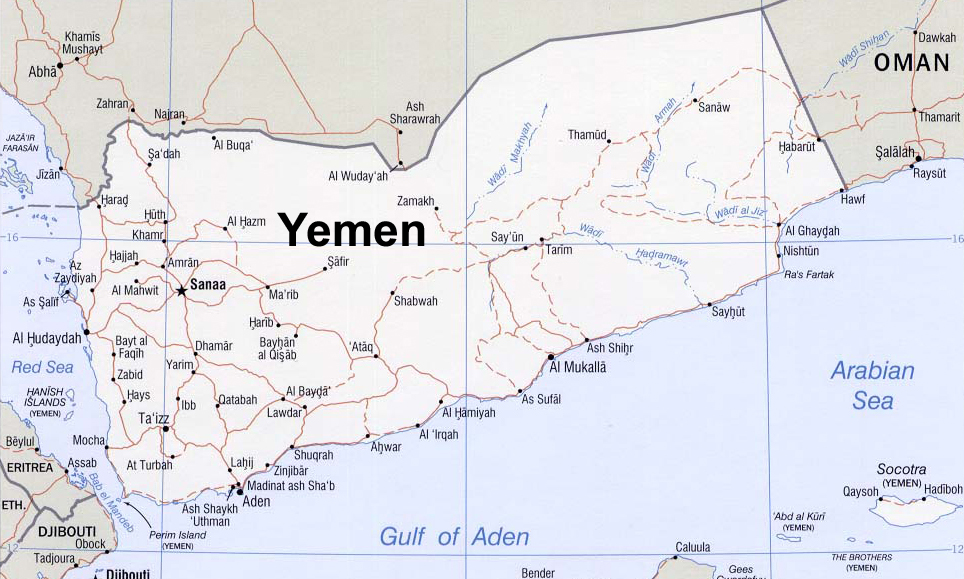
Yemen is one of the most kinetic intersections of human and environmental security in the world. At the tip of the Arabian Peninsula, it is a natural gateway for those fleeing hardship in the conflict-wracked Horn of Africa, but observers are concerned it may soon resemble something much less than a haven.
Increased local resistance to a corrupt regime in Sanaa and an influx of Al Qaeda influence recently caused the CIA to reassess the franchise in Yemen as a more urgent threat to national security than the core Al Qaeda elements in Pakistan and Afghanistan.
In addition to these traditional security challenges, Yemen faces a bevy of population and environment-related problems. With its 22.8 million people, Yemen is growing faster than any other country in the Middle East – by 2050, it will rival Spain in total population. It is home to nearly a million impoverished migrants from East Africa, is almost totally reliant on groundwater that is being drained faster than can naturally be replenished, has an unemployment rate approaching 40 percent, the lowest rating in the world for gender equity, and almost no source of income besides oil exports, which have declined 56 percent since 2001 and are expected to continue sliding, barring any major new discoveries.
Beyond its more covert commitments, the United States has pledged over $210 million to Yemen for military, economic, and development assistance for this year alone. Is it enough to stave off collapse in one of the Middle East’s most troubled states?
For more see The New Security Beat’s full feature, “Demographics, Depleted Resources, and Al Qaeda Inflame Tensions in Yemen,” published earlier this summer.
Sources: Associated Press, Association for the Study of Peak Oil – USA, Central Intelligence Agency, Washington Post.
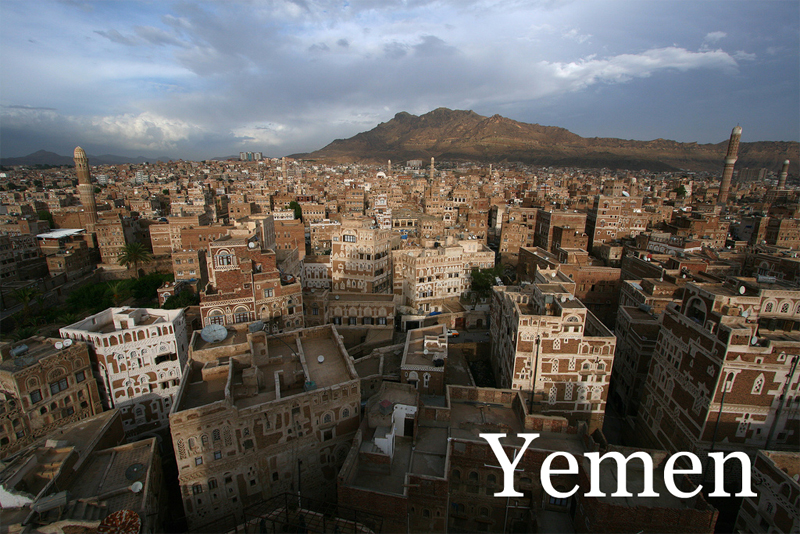
Photo Credit: Adapted from “Old Town Sanaa – Yemen 53,” courtesy of flickr user Richard Messenger. -
Demographics, Depleted Resources, and Al Qaeda Inflame Tensions in Yemen
›July 21, 2010 // By Schuyler NullA second spectacular Al Qaeda attack on Yemeni government security buildings in less than a month is a worrisome sign that the terrorist group may be trying to take advantage of a country splitting at the seams. U.S. officials are concerned that Yemen, like neighboring Somalia, may become a failed state due to a myriad of challenges, including a separatist movement in the south, tensions over government corruption charges, competition for dwindling natural resources, and one of the fastest growing populations in the world.
Wells Running Dry
Water shortages have become commonplace in Yemen. Last year, the Sunday Times reported that Yemen could become the first modern state to run out of water, “providing a taste of the conflict and mass movement of populations that may spread across the world if population growth outstrips natural resources.”
Earlier this year, government forces came to blows with locals over a disputed water well license in the south. Twenty homes were damaged and two people were killed during the resulting eight day stand-off, according to Reuters.
The heavily populated highlands, home to the capital city of Sanaa, face particularly staggering scarcity. Wells serving the two million people in the capital must now stretch 2,600 – 3,200 feet below the surface to reach an aquifer and many have simply dried up, according to reports.
Yemeni Water and Environment Minister Abdul-Rahman al-Iryani told a Reuters reporter that the country’s burgeoning water crisis is “almost inevitable because of the geography and climate of Yemen, coupled with uncontrolled population growth and very low capacity for managing resources.”
Nineteen of Yemen’s 21 aquifers are being drained faster than they can recover, due to diesel subsidies that encourage excessive pumping, loose government enforcement of existing drilling laws, and growing population demand. Qat farmers in particular represent an excessive portion of water consumption; growing the popular narcotic accounts for 37 percent of agricultural water consumption. Meanwhile, according to a study by the World Food Programme this year, 32.1 percent of the population is food insecure and the country has become reliant on imported wheat.
Yemen’s other wells – the oil variety – have long been the country’s sole source of significant income. According to ASPO, oil has historically represented 70-75 percent of the government’s revenue. But recent exploration efforts have failed to uncover significant additions to Yemen’s reserves, and as a result oil exports have declined 56 percent since 2001. The steep decline has pushed Yemeni authorities to look to other natural resources, such as rare minerals and natural gas, but the infrastructure to support such projects will take significant time and money to develop.
The Fastest Growing Population in the Middle East
Despite the country’s limited resources, Yemen’s population of 22.8 million people is growing faster than any other country in the Middle East. According to projections from the Population Reference Bureau, by 2050, Yemen’s burgeoning population is expected to rival that of Spain.
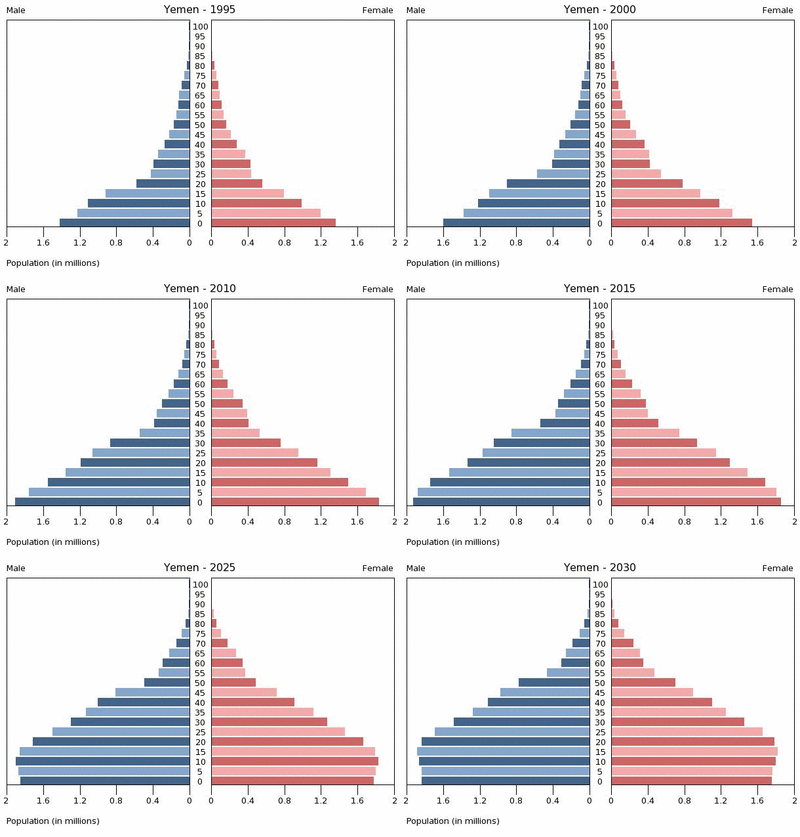
Fully 45 percent of the current population is under the age of 15 – a troubling ratio that is expected to grow in the near future. The charts from the U.S. Census Bureau embedded below illustrate the dramatic growth of the country’s youth bulge from 1995 through 2030.A poor record on women’s rights and a highly rural, traditional society contribute to these rapid growth scenarios. According to Population Action International’s Elizabeth Leahy Madsen, only 41 percent of Yemeni women are literate and their total fertility rate is well over the global average. A recent survey from Social Watch ranking education, economic, and political empowerment rated Yemen last in the world in gender equity. Yemeni scholar Sultana Al-Jeham pointed out during her Wilson Center presentation, “Yemeni Women: Challenges and Little Hope,” that there is only one woman in a national parliament of 301 members and that ambitious political women routinely face systematic marginalization.
A contributing factor is that 70 percent of Yemen’s population live outside of cities – far more than any other country in the region – making access to education and healthcare difficult, especially in the large swaths of land not controlled by the government.
External migration from war-torn east Africa adds to Yemen’s demographic strains. According to IRIN, approximately 700,000 Somali refugees currently reside in country, and that number may grow as the situation in Somalia continues to escalate. Within Yemen’s own borders, another 320,000 internally displaced people have fled conflict-ridden areas, further disrupting the country’s internal dynamics.
Corruption and Rebellion
Competition over resources, perceived corruption, and Al Qaeda activity have put considerable pressure on the Saleh regime in Sanaa. The government faces serious dissidence in both the north and the south, and the Los Angeles Times reports that talk of rebellion is both widespread and loud:Much of southern and eastern Yemen are almost entirely beyond the central government’s control. Many Yemeni soldiers say they won’t wear their uniforms outside the southern port city of Aden for fear of being killed. In recent months, officials have been attacked after trying to raise the Yemeni flag over government offices in the south.
USAID rates Yemen’s effective governance amongst the lowest in the world (below the 25th percentile), reflecting Sanaa’s poor control and high levels of corruption. Some reports claim that up to a third of Yemen’s 100,000-man army is made up of “ghost soldiers” who do not actually exist but whose commanders collect their salaries and equipment to sell on the open market.
The West and Al Qaeda
In testimony before Congress earlier this year, Assistant Secretary of State Jeffrey Feltman called on the Yemeni government to take a comprehensive approach to “address the security, political, and economic challenges that it faces,” including its natural resource and demographic challenges.
The Yemeni government is poised to receive $150 million in bilateral military assistance from the United States. But some experts are critical of that approach: Dr. Mustafa Alani of the Dubai-based Gulf Research Center told UN Dispatch that, “you are not going to solve the terrorist problem in Yemen by killing terrorists,” calling instead for investing in economic development.
USAID has budgeted $67 million for development assistance, economic support, and training programs in Yemen for FY 2010 and has requested $106 million for FY 2011 (although about a third is designated for foreign military financing).
While Yemen’s Al Qaeda presence continues to captivate Western governments, it is the country’s other problems – resource scarcity, corruption, and demographic issues – that make it vulnerable to begin with and arguably represent the greater threat to its long-term stability. The United States and other developed countries should address these cascading problems in constructive ways, before the country devolves into a more dangerous state like Somalia or Afghanistan. In keeping with the tenets of the Obama administration’s National Security Strategy, an exercise in American soft power in Yemen might pay great dividends in hard power gains.
Sources: Association for the Study of Peak Oil – USA, Central Intelligence Agency, Congressional Research Service, Guardian, IRIN, Los Angeles Times, New York Times, Population Action International, Population Reference Bureau, ReliefWeb, Reuters, Social Watch, Sunday Times, U.S. Census Bureau, U.S. Department of State, UN Dispatch, USA Today, USAID, World Food Programme.
Photo Credit: “Yemen pol 2002” via Wikimedia Commons courtesy of the U.S. Federal Government and “Yemen youth bulge animation” arranged by Schuyler Null using images courtesy of the U.S. Census Bureau’s International Data Base. -
Is the Third Pole the Next Site for Water Crisis?
›July 1, 2010 // By Tara InnesThe Hindu-Kush Himalaya area may host future water crises as glaciers melt, population rapidly increases, and competition over scarce water resources intensifies, says a recent report from the Humanitarian Futures Programme at King’s College.
Himalayan glaciers – often called the “third pole” because they house the greatest volume of frozen water outside the polar regions – provide the headwaters for 10 major river systems in Asia. Despite clear evidence that the HKH glaciers are receding, recent controversy over the 2007 IPCC report has sidetracked the discussion from the degree of glacial melt and its impacts on the surrounding environment.
Glacial melt sends more water into the rivers in the rainy season, and less water in the dry season. This variability will increase both floods and droughts, which in turn can damage agriculture and create food shortages. Melting glaciers can also create “glacial lakes” that are prone to sudden bursting, causing disastrous flooding downstream (ppt).
According to The Waters of the Third Pole: Sources of Threat, Sources of Survival, climate change is already having significant impacts in the Himalayan region, intensifying natural disasters and the variability of the summer monsoon rains, and increasing the number of displaced people and government attempts to secure water supplies from its neighbors.
Rivers of People: Environmental Migrants
One of the major consequences, the report argues, could be “growing numbers of environmental migrants,” which the authors define as “people moving away from drying or degraded farmland or fisheries, and the millions displaced by ever-larger dams and river-diversion projects”—and including the Chinese government’s forced “‘re-location of people from ecologically fragile regions.”
Today, about 30 million (15 percent) of the world’s migrants are from the Himalayan region, the report says, warning that “in the next decade, should river flows reduce significantly, migration out of irrigated areas could be massive.” But the authors acknowledge that reliable estimates are rare – a problem pointed out in The New Security Beat.
However, it is clear that the region’s population is growing and urbanizing rapidly: By 2025, one-half of all Asians will live in cities, whereas one generation ago, the figure was one in 10. This incredible shift, says the report, places “some of the greatest pressures on water through increased demand and pollution.”
Water War or Water Peace?
The Waters of the Third Pole warns that growing scarcity could “raise the risk of conflict in a region already fraught with cross-border tensions.” While interstate tensions over water have been minimal to date, they could potentially increase in areas where significant percentages of river flow originate outside of a country’s borders – in 2005 Bangladesh relied on trans-boundary water supplies for 91 percent of its river flow, Pakistan for 76 percent, and India for 34 percent. Intra-state conflict is also expected to increase. The report notes, “In China alone, it has been reported that domestic uprisings have continued to increase in protest about water management or water-quality issues.”
However, the water-conflict link remains shaky within the scholarly community. As Dabelko recently told Diane Rehm about the region, “There are prospects for tensions, but quite frankly, water is difficult to [obtain] through war. It’s hard to pick it up and take it home.”
The report points out some areas in which water may actually pose an opportunity for regional cooperation rather than conflict, such as developing knowledge-sharing networks like the International Center for Integrated Mountain Development. The presence of such networks may help establish channels of communication and aid in diffusing other cross-border tensions. But the authors caution that “environmental cooperation generally lags far behind economic cooperation in the HKH region.”
The report concludes that policymakers must move the region higher on the humanitarian agenda; construct a framework for action that includes non-intrusive international support; and more thoroughly address knowledge and communication gaps.
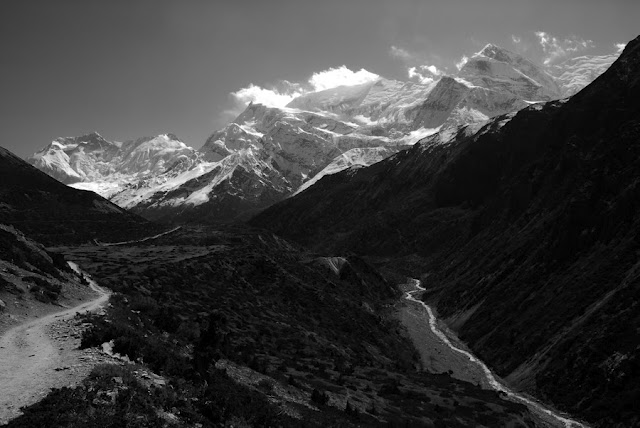
Photo Credit: “Annapurna ways, Nepal,” courtesy of flickr user rakustow. -
Urbanization, Climate Change, and Indigenous Populations: Finding USAID’s Comparative Advantage
›May 26, 2010 // By Kayly Ober“Part of the outflow of migrants from rural areas of many Latin American countries has settled in remote rural areas, pushing the agricultural frontier further into the forest,” writes David López-Carr in a recent article in Population & Environment, “The population, agriculture, and environment nexus in Latin America.” In a May 4 presentation at the LAC Economic Growth and Environment Strategic Planning Workshop in Panama City, Panama, he discussed how to integrate family planning and environmental services in rural Latin America.
Latin America is one of the most highly urbanized continents in the world, with an average of 75 percent of the population living in cities. However, “there are two Latin Americas,” said López-Carr at the workshop, which was sponsored by the Woodrow Wilson Center’s Environmental Change and Security Program and Brazil Institute, as well as the U.S. Agency for International Development. Largely developed countries like Chile, Argentina, and Uruguay are close to 90 percent urbanized, while Guatemala, Ecuador, and Bolivia are about 50 percent. In less urbanized countries, rural-rural migrants in search of agricultural land remain a major driving force behind forest conversion, he said.
Between 1961 and 2001, Central America’s rural population increased by 59 percent, said Lopez-Carr. The increasing density of the rural population had a negative impact on forest reserves: a 15 percent increase in deforestation totaling some 13 million hectares.
“Rural areas of Latin America still have high fertility rates but (unlike much of rural Africa, for example) also have a high unmet demand for contraception, meaning that improved contraceptive availability would likely result in a rapid and cost-effective means to reduce population pressures in priority conservation areas,” he said. Additionally, remote rural areas with high population growth rates tend to be associated with indigenous populations located in close proximity to protected forests.
For example, in Guatemala, communities surrounding Sierra de Lacandon National Park have, since 1990, grown by 10 percent each year, with birthrates averaging eight children per woman. Larger communities and larger households have led to agricultural expansion, which infringes on the park and accelerates deforestation in one of the most biologically diverse biospheres in the world, said López-Carr.
Based on these demographic and environmental trends, López-Carr suggested USAID’s work in the region should focus on rural maternal and child health, and education – especially for girls. Not only does USAID already invest in such programs, but they only cost pennies per capita and could reduce the number of rural poor living in Latin American cities by tens of millions.
Given the strong links between population density and deforestation in Latin America, expanding access to family planning would also be a smart investment in forest conservation and climate mitigation, López-Carr concluded.
Source: Population Reference Bureau.
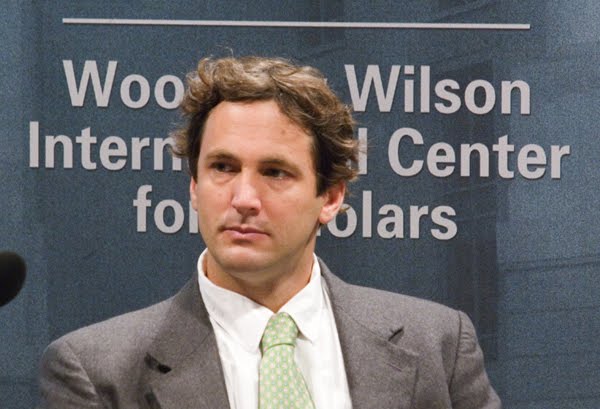
Photo Credit: Dave Hawxhurst, Woodrow Wilson Center.