-
Climate Change Will Cause More Migration, But That Shouldn’t Scare Anyone
›
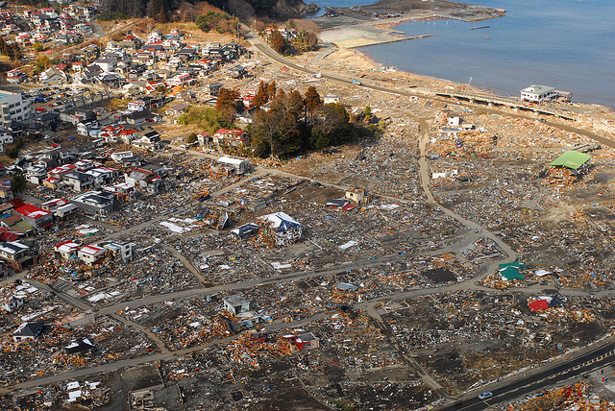
Last year a Kiribati man, Ioane Teitiota, claimed asylum in New Zealand, stating that his home island, which is on average just two meters above sea level, was becoming uninhabitable thanks to rising seas. So-called “king tides” routinely wash over entire portions of the archipelago.
-
In Nepal, Integrating Forest and Family Health Is Improving Lives
›March 24, 2014 // By Sean Peoples
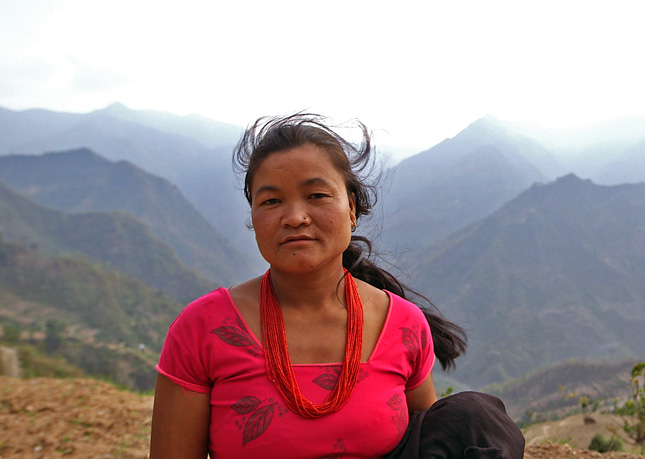
For years, the Chepang people have lived off the land in Nepal’s forested central foothills. Communities cleared trees to start small subsistence farms, harvested the surrounding area for firewood, and eventually moved on after the wood, soil, and water were depleted.
-
In Quest to Understand Climate Change and Conflict, Avoid Simplification
›As the war in Syria shows no signs of letting up, a recent article in Middle Eastern Studies put forward the hypothesis that the brutal conflict was triggered by government mismanagement of the country’s recent drought, which lasted from 2006 to 2010. It’s a story we’ve heard before.
-
Bouncing Forward: Why “Resilience” Is Important and Needs a Definition
›As policymakers respond to the threat of climate and environmental change, the concept of resilience has found itself at the center of discussion. Few scientists and policymakers, however, can come to a consensus on how to define, evaluate, and build resilience.
-
Opportunity Amidst Conflict: Margie Buchanan-Smith on Long-Distance Trade and Peace-Building in Darfur
›
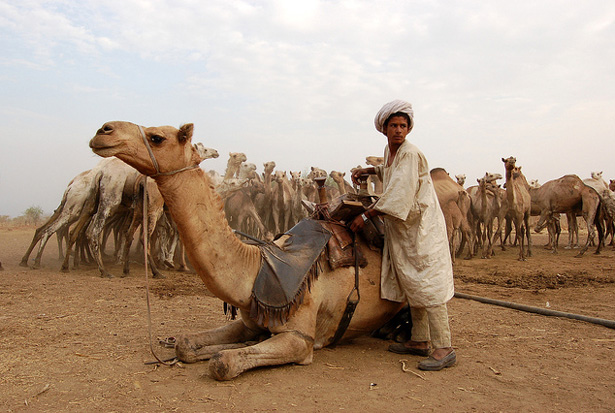
Trade is “the lifeblood of Darfur’s economy,” says Margie Buchanan-Smith in this week’s podcast.
Buchanan-Smith, a visiting fellow at Tuft University’s Feinstein International Center and the lead author of a recent study on livestock trade in Sudan, presented at the Wilson Center in November about the Feinstein Center’s collaboration with the UN Environment Program studying pastoralism in Sudan during the last decade of conflict.
-
New Sudan Study Has Researchers Re-Thinking Risks and Resilience of Pastoralism
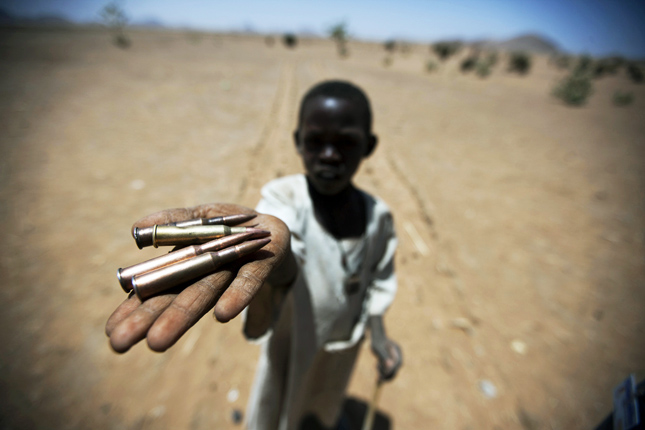
›Sudan’s pastoralists gained infamy during the conflict in Darfur last decade, when outsiders described the violence as a result of competition between climate-stressed, semi-nomadic herders and sedentary farmers. But Sudan’s pastoralists may not be as fragile as previously thought and could even hold the key to survival for similar groups in Africa, said a panel of experts at the Wilson Center on November 13. [Video Below]
-
More Than Local: How PHE Can Help Solve Humanity’s Biggest Problems
›“Leave enough for everyone.” That’s what my mother used to tell us at dinner. However, the holiday season reminds me that human nature is far from innately moderate in consumption. With Black Friday as a kickoff, consumers will spend more than $600 billion by Christmas in the United States alone. As I witness droves of shoppers running through malls and stores, I wonder if their desire is driven by some insatiable appetite for their favorite products or something more fundamental about human nature.
-
In Urban Planning for Climate Change, Pay Attention to Population Dynamics & Smaller Cities, Says Daniel Schensul
›
When it comes to coping with the effects of climate change, cities will be a crucial proving ground for adaptation efforts. Over the next few decades, the percentage of the world’s population living in urban areas is projected to increase to 67 percent – 6.3 billion people by 2050, according to the UN. But because three-quarters of the world’s major cities are located on coastlines, the growing percentage of urban residents means more people will be vulnerable to environmental stressors such as sea level rise and storm surges.
Showing posts from category migration.