-
Ecological Threat Report 2023: Same Hotspots, More Risk
›
Future projections of social disturbance due to climate change and ecological pressures provide little optimism for peace in conflict-affected areas over the coming decades. Yet, can we identify current hotspots and future areas of conflict risk? The fourth Ecological Threat Report (ETR), produced by the Institute for Economics & Peace, attempts to do so by taking on the monumental task of evaluating the relationship between ecological threats and peace.
The new report documents a world of growing ecological threats and declining social resilience in the states and territories most vulnerable to a changing climate. And by assessing ecological threats, societal resilience, and levels of peacefulness at the state, territorial, subnational, and city levels, the report also finds a strong correlation between ecological threats and levels of peacefulness.
-
Relief, Recovery, and Peace: David Nicholson on COP28’s New Theme
› In a new mini-series previewing the upcoming UN Climate Summit (COP28)’s new focus on relief, recovery, & peace, ECSP Program Director Lauren Risi spoke with David Nicholson, Director of the Environment, Energy and Climate Change Technical Support Unit at Mercy Corps.
Nicholson described his role in ensuring that climate change is at the center of Mercy Corps’ wide-ranging and successful global humanitarian aid programs in 42 countries—and the importance of having local staff to make interventions a true partnership. He also talks about climate finance, and his hopes that COP28’s theme of “relief, recovery and peace” will advance the view that peacemaking is essential to adaptation efforts.
-
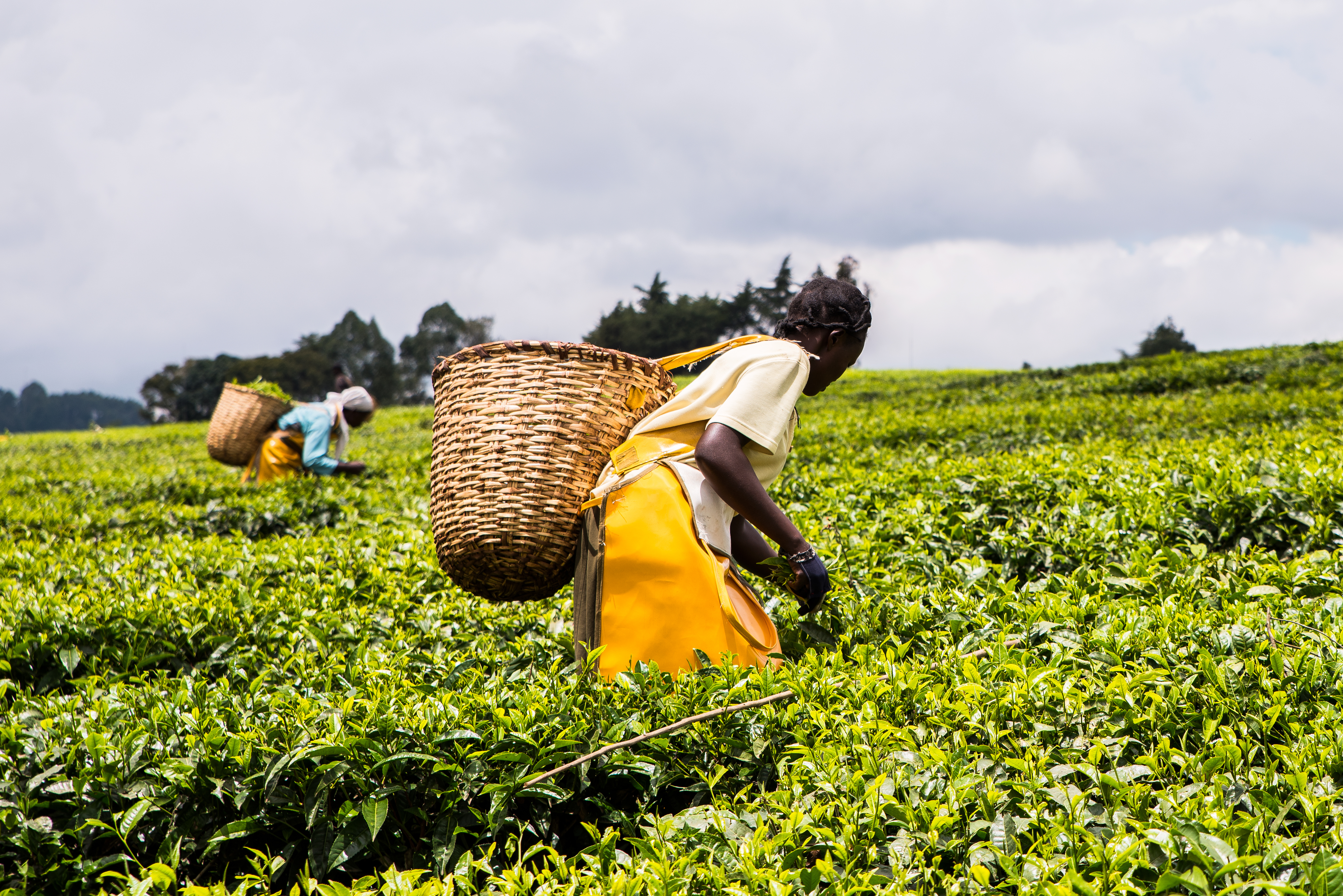
The Arc | Gender, Agriculture, and Climate Change with Dr. Maureen Miruka
› In the first episode of The Arc, ECSP’s Claire Doyle and Angus Soderberg speak with Dr. Maureen Miruka about the complex relationship between gender, climate, and agriculture. Dr. Miruka, who is Director of Strategic Partnerships and Research at CARE USA, emphasizes the disproportionate impact of climate stressors on women and vulnerable populations through the lens of food systems. She also underscores the pivotal role women play as change agents in global climate mitigation and adaptation, and makes a call to broaden the scope of research in this space to include other gender minorities.
-
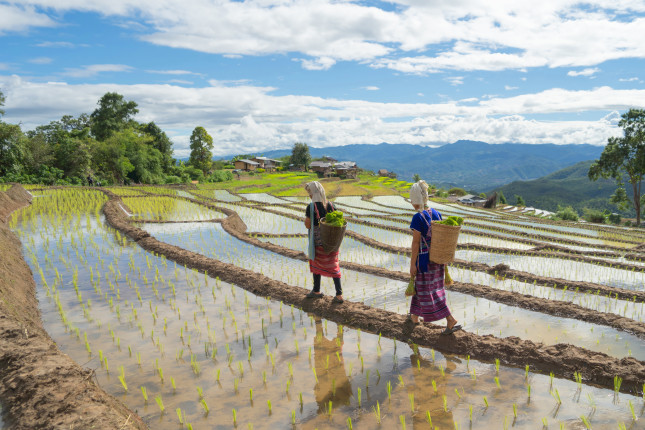
The Next Feminist Wave: Heat
›The summer of 2023 featured some of the hottest days ever recorded. Feminists should be alarmed.
Climate change may not seem like a feminist issue on its face. A warming planet poses a cross-cutting and common threat. But the perception that climate impacts result in uniform harm produces partial solutions that neglect the world’s most vulnerable populations. This alone makes environmental justice a gender justice issue as well.
-
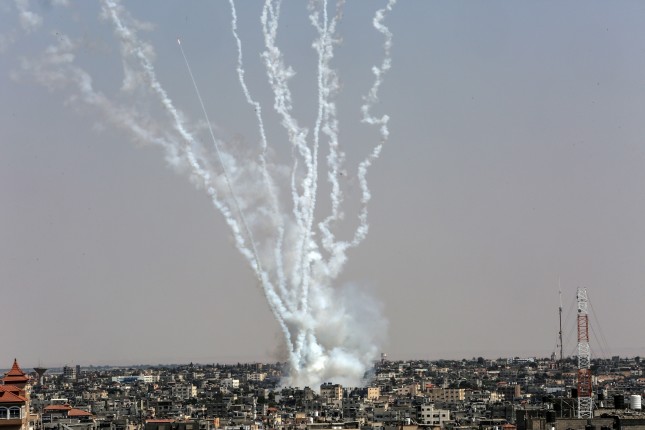
A Reminder from Israel and Gaza on the Importance and Limitations of Environmental Peacebuilding
›I flew into Tel Aviv last Friday afternoon, primed for a week of meetings with Israeli and Palestinian environmentalists and officials. By sounding out these men and women in Jerusalem, the West Bank, and other parts of the region, I hoped to expand on past explorations of their transboundary cooperation, widely recognized as a model for environmental peacebuilding. Through an articulation of the successes that they––and their Jordanian peers–have had in bolstering water access, renewable energy, and environmental protection across their shared natural landscape, I was looking forward to telling a positive environmental conflict story—particularly one in a place that is often bereft of good news.
-
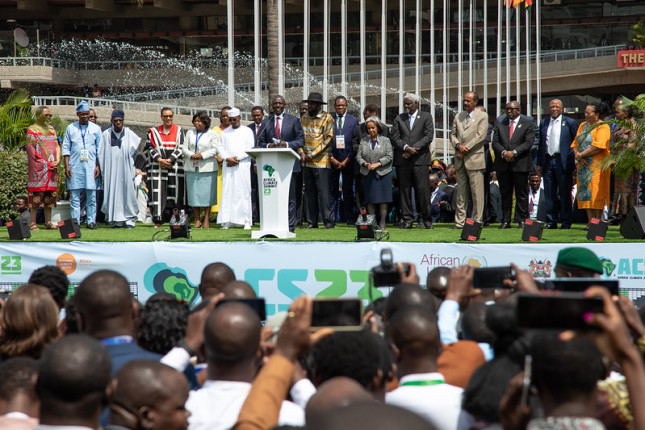
Africa’s First Climate Summit: From Victim to Leader?
›The UN Environment Programme has described Africa as the most vulnerable region in the world to climate change. Despite only being responsible for 3% of global emissions, the continent has been battered by extreme weather events, including droughts, cyclones, wildfires, and sandstorms. One in three people across Africa faces water scarcity. The continent’s agricultural sector, which represents a significant share of African countries’ GDP and employment, is highly exposed to climate change.
-
Climate Adaptation at COP28: Eyes on the Middle East
›When COP28 begins in the United Arab Emirates in late November of this year, the multifaceted connections between climate and conflict are expected to receive greater attention from participants than they have at previous conferences.
While there is scant direct causal evidence to suggest that climate change causes conflict, there is a growing body of information that it can influence the risk of conflict by hurting economies, changing broad patterns of human behavior and movement, and straining social cleavages.
-
Ukraine’s Environment Is a Victim of Russian Geopolitics. (Again.)
›Senior Western officials have received “sobering” reports on the counteroffensive in Ukraine. As both sides continue to rain artillery shells and missiles across the country, Ukrainian forces have struggled to make progress on the front lines in both the south and the east.
Meanwhile, a different but related struggle is occurring across the country. Ukraine’s environment is being poisoned by the by-products of this war; polluting the land, water, and air, and exposing humans, plants, and animals to high levels of toxins.
Showing posts from category migration.
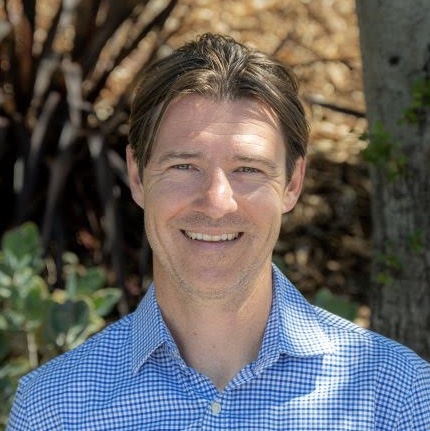 In a new mini-series previewing the upcoming UN Climate Summit (COP28)’s new focus on relief, recovery, & peace, ECSP Program Director Lauren Risi spoke with David Nicholson, Director of the Environment, Energy and Climate Change Technical Support Unit at Mercy Corps.