-
Living Through Extremes: Livelihood Systems Key to Effective, Empowering Resilience Measures
›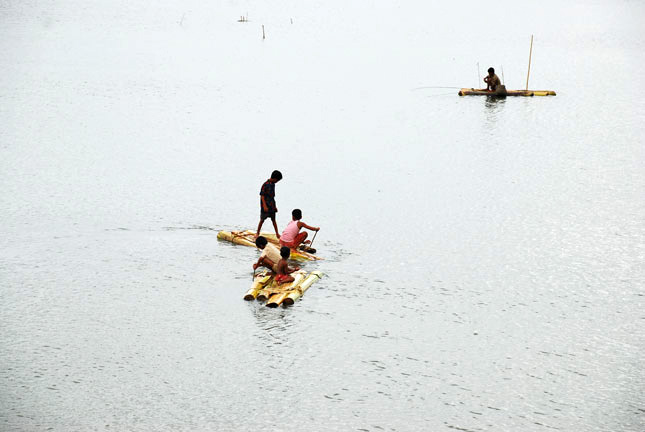
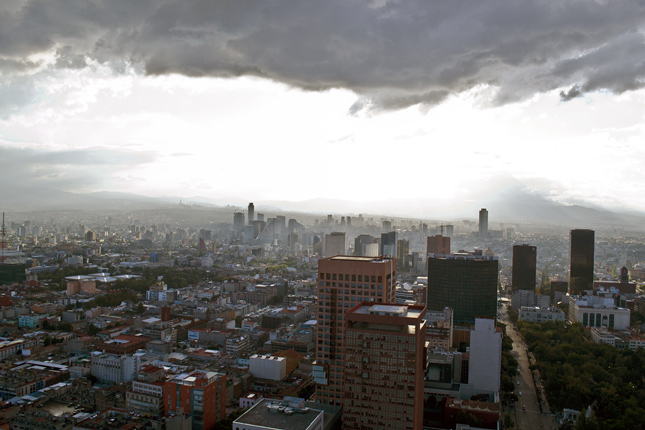
As climate change upends established patterns of life, resilience – the ability of social and ecological systems to mitigate, endure, and adapt to short-term shocks and long-term stressors – has become a buzzword in development and humanitarian circles. [Video Below]
-
What Climate Conflict Looks Like: Recent Findings and Possible Responses
›
Climate change and conflict – what’s the relationship? In a recently completed set of field-based studies for USAID, the Foundation for Environmental Security and Sustainability set aside “yes-or-no” questions about whether climate change causes conflict and replaced them with pragmatic and politically informed questions about how climate change is consequential for conflict in specific fragile states.
-
Gerald Stang, European Union Institute for Security Studies
Climate Change and EU Security: When and How Do They Intersect?
›December 3, 2014 // By Wilson Center StaffThe potential security challenges linked with climate change can make for great headlines. While sensationalist claims about water wars, states collapsing in chaos, or the forced migration of hundreds of millions cannot be completely discounted for the long term, intelligent mitigation and adaptation efforts can help avoid the worst of these – and manage the rest.
-
Necessary Partners: The Sahel Shows Why Development and Resilience Efforts Can’t Forget Men
›One-third of boys in the developing world don’t face the risk of marriage and pregnancy before age 18. There are no laws preventing men from owning land or property. Men don’t bear the brunt of increasingly frequent and severe disasters. And men don’t hold fewer than 25 percent of parliamentary seats worldwide.
-
Andrea Ó Súilleabháin, Global Observatory
Overlooked Among 50 Million Displaced Worldwide, Women and Girls Lose Out
›October 23, 2014 // By Wilson Center StaffMass displacement has become a significant feature of recent conflicts, as the number of people forced to flee their homes has passed 50 million worldwide, a level not seen since World War II. This is one of the reasons why the UN Security Council will focus on women refugees and internally displaced persons (IDPs) during its annual open debate on women, peace, and security on October 28, according to Elizabeth Cafferty, senior advocacy officer at the Women’s Refugee Commission.
-
UK Global Trends Report Forecasts Security Threats in Face of Growth, Climate and Technological Change
›October 22, 2014 // By Heather RandallBy 2045, global population will be north of 9 billion with increased urbanization and migration, natural resource stress, improved medical technologies, greater use of robotic labor, and a shift towards lifelong (and increasingly online) learning, according to a recent report from the UK Ministry of Defense.
-
The Making of a Tragedy: Inequality, Mistrust, Environmental Change Drive Ebola Epidemic
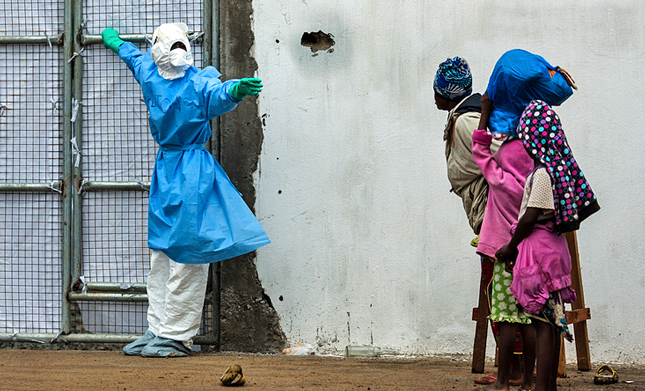
›October 9, 2014 // By Laurie MazurIn August, armed men stormed an Ebola clinic in Monrovia, Liberia, releasing infected patients and stealing contaminated bedding. The following month, eight health workers were attacked and killed in a Guinean village as they tried to educate residents about the deadly disease; their bodies were found in a village latrine. Days later, Red Cross workers in western Guinea were assaulted as they tried to collect and bury Ebola victims.
-
New Approaches to Projecting Population Yield Divergent Forecasts and Valuable Insights
›As the UN General Assembly begins charting a course toward sustainable growth, population projections will likely undergird many of their most important assumptions about the future. As two new papers released last week demonstrate, however, there are differing opinions about how much the world’s population will grow and when it will stabilize.
Showing posts from category migration.