-
Lessons From Africa’s Great Lakes on How Conservation Orgs Can Address Migration
›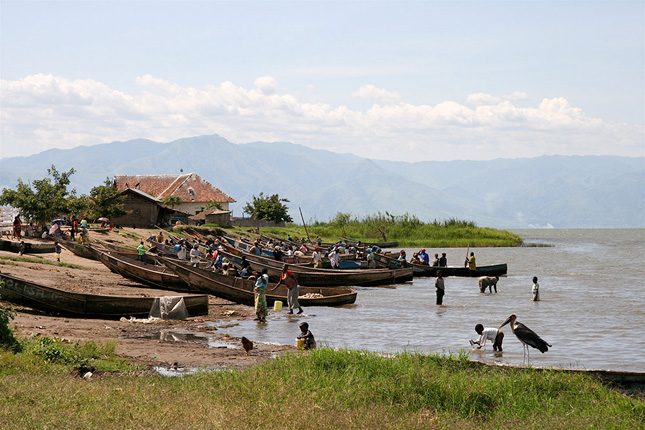
Migration is an important strategy for coping with environmental variability and change, but it can also place additional stress on ecosystems. Policymakers and practitioners are not always fully aware of these threats, nor fully prepared to manage them through appropriate interventions. Conservation professionals in the field therefore have a key role to play in reducing the harmful impacts that migration can have on the environment, and in mitigating any tensions that may emerge between migrant and host communities.
-
It’s OK to Play With Your Food: What We Learned From a Global Food Security Game
›The year is 2022. Strong El Niño and La Niña events in successive years have drastically reduced wheat yields in India and Australia and increased the range of certain pests and plant pathogens in the Western Hemisphere. Moreover, a drought across North America has reduced corn and soybean yields significantly. Global commodity prices are up 262 percent over long-term averages. These price increases are compounding other social and economic challenges, contributing to social unrest in several food-importing nations.
-
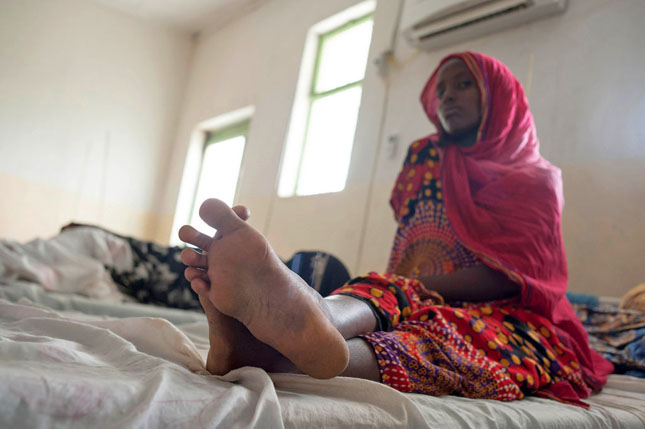
Kate Gilmore on Protecting Sexual and Reproductive Rights in the “Toughest of Times, in the Hardest of Places”
› “Right now, 1.5 billion people are living in humanitarian crisis – living in conflict-afflicted regions,” says Kate Gilmore, deputy executive director of the United Nations Population Fund (UNFPA), in this week’s podcast.
 -
The U.S. Intelligence Community’s Assessment on Food Security, Famine and Migration in the Sahel
›This fall, the National Intelligence Council released an intelligence community assessment of the extent to which factors such as climate change, severe weather, conflict, resource scarcity, disease, poor governance, and environmental degradation will impact peoples’ purchasing power and food availability over the next decade. They found “the overall risk of food insecurity in many countries of strategic importance to the United States will increase.” -
An Environmental Migration Review and 6 Recommendations to Build Livelihood Resilience
›An article in the Annual Review of Sociology reviews much of the research on the relationship between environmental factors and migration, providing a timely overview of a complex field. “Migration is often a household strategy to diversify risk,” write Lori Hunter et al., but can be influenced by any number of determinants, including at the macro level (e.g., environmental, social, cultural, economic, and political dynamics), the meso level (e.g., intervening obstacles and facilitators), as well as the micro level (e.g., personal and household characteristics). -
After Paris, What’s the Status of “Environmental Refugees?”
›One of the hidden costs of climate change is the displacement of millions of people in some of the poorest regions of the globe. The existing international refugee regime is ill-suited to cope with those seeking refuge from environmental disasters. Countries must get serious about developing coordinated plans to address the issue, lest they be caught by surprise when another humanitarian crisis hits.
-
In Fight to Stop the Spread of Female Genital Mutilation, Midwives Are Crucial
›Aissata M.B. Camara grew up in an educated, upper income household in Guinea, West Africa. One morning, she woke up to singing outside her window and knew they were coming. Many in her community thought that she was unclean and would grow up to be promiscuous if she wasn’t cut. She would be unmarriageable. While her family and community members held her down, she realized, “my body no longer belonged to me.” [Video Below]
-
John Wihbey, Yale Climate Connections
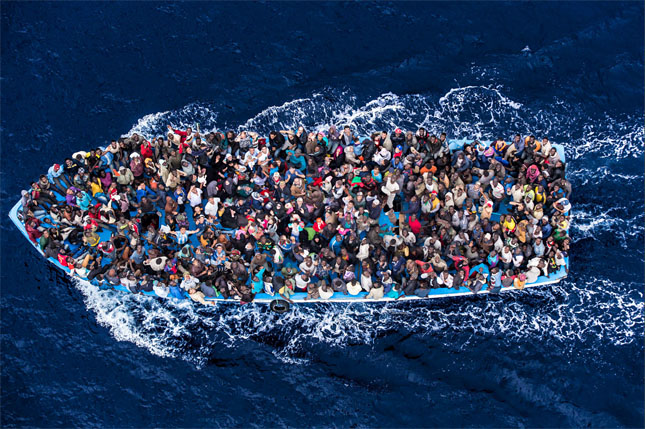
Nuancing “Climate Refugee” Language and Images
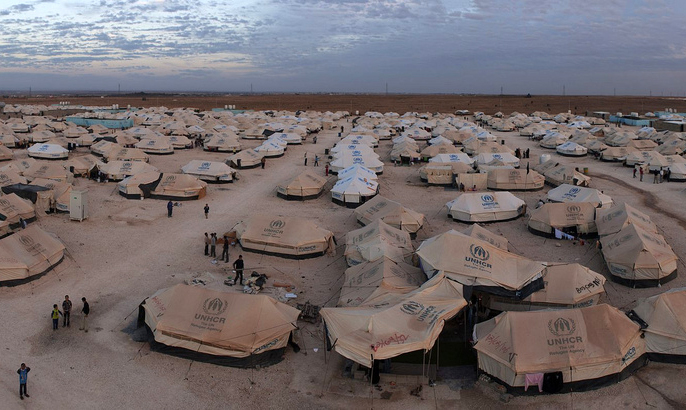
›December 18, 2015 // By Wilson Center StaffMigrants and Syrian refugees have become the new “stranded polar bear” of climate change imagery. But most such impacts will seldom be so dramatic or camera-ready.
Showing posts from category migration.
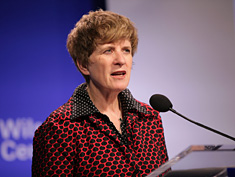 “Right now, 1.5 billion people are living in humanitarian crisis – living in conflict-afflicted regions,” says Kate Gilmore, deputy executive director of the United Nations Population Fund (UNFPA), in this week’s podcast.