

-
ECSP Weekly Watch: February 12 – 16
›
A window into what we are reading at the Wilson Center’s Environmental Change and Security Program
Food, Climate, and Conflict Nexus a Priority at the UN Security Council (Food and Agriculture Organization)
The United Nations Security Council’s High-Level Open Debate takes place in Guyana this week, and the signature event of that nation’s presidency is “The Impact of Climate Change and Food Insecurity on the Maintenance of International Peace and Security.” Several briefers have emphasized the interconnectedness between climate change and conflict, including Secretary-General António Guterres and UNFCCC Chair Simon Stiell.
-
The Complicated Relationship Between Climate, Conflict, and Gender in Mozambique
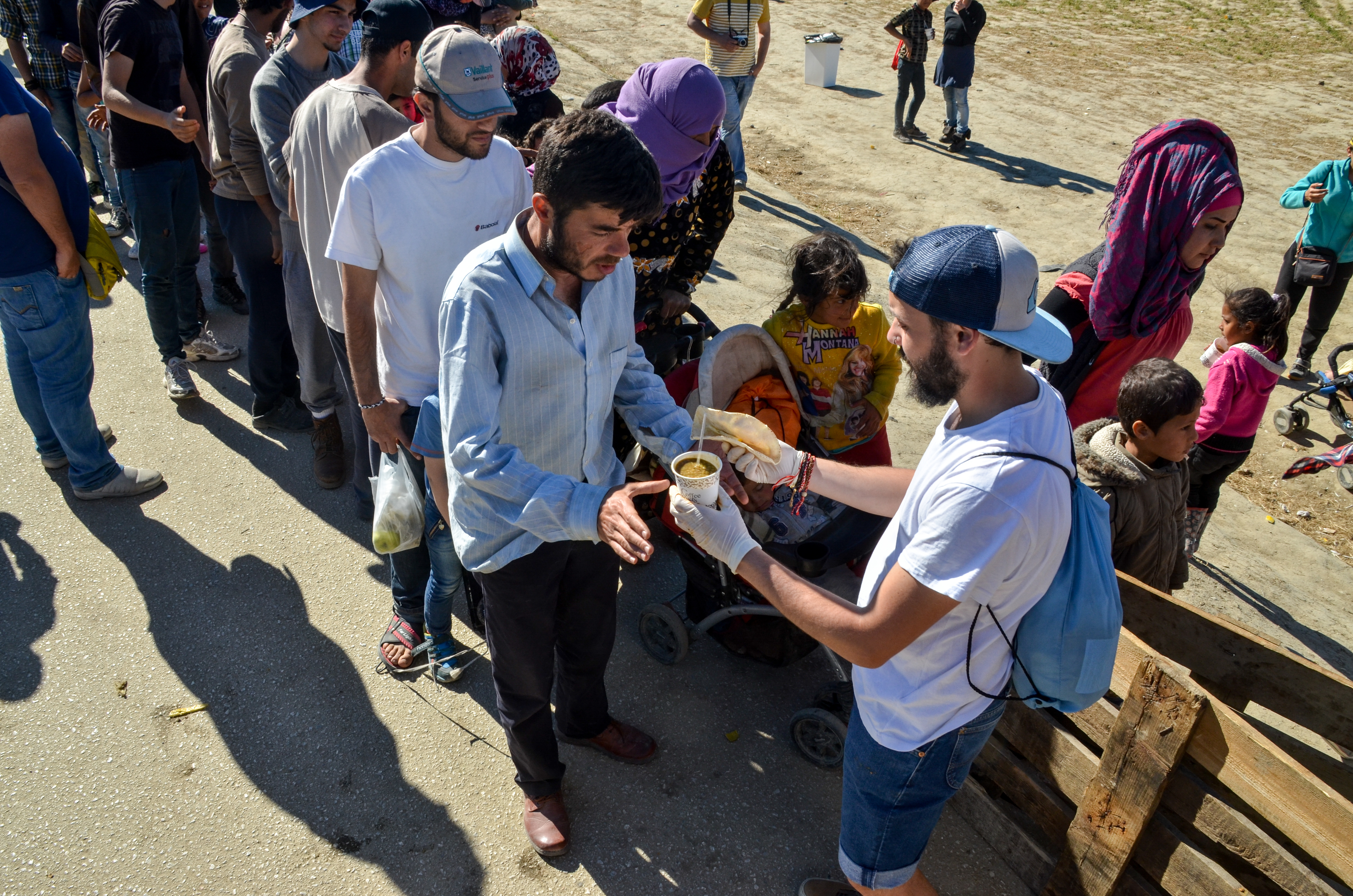
›Guest Contributor // February 12, 2024 // By Gracsious Maviza, Mandlenkosi Maphosa, Giulia Caroli, Thea Synnestvedt & Joram Tarusarira Individuals face immense challenges in displacement contexts, particularly where climate, conflict, and displacement intersect. In Mozambique, climate impacts have combined with conflict to displace nearly a million people. Entire livelihoods, identities, and stability are vanishing. Women, men, girls, and boys are not just losing homes; they are losing their place in traditional societal roles, too. This chaos—and responses by the international community—are reshaping Mozambique’s gender dynamics.
 -
Weakened Infrastructure and Climate Change: The Threat to Water Security in Nineveh
›Iraq is incredibly vulnerable to the impacts of climate change. Temperatures are increasing, rainfall is decreasing, and the country experiences prolonged periods of drought. These conditions, as well as the destruction of wells and irrigation systems in the Islamic State’s (IS) targeted 2014-2017 campaign to destroy agricultural livelihoods, have created a growing water problem in Iraq’s Nineveh Plains. Indeed, water levels there have dropped low enough to subject crops to drought stress, endangering drinking water systems and affecting the ability to grow crops and raise livestock.
-
REPORT LAUNCH | Population Trends and the Future of US Competitiveness
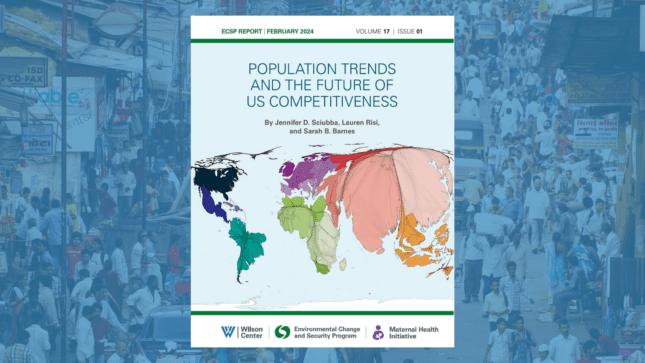
›From the Wilson Center // February 5, 2024 // By Jennifer Dabbs Sciubba, Lauren Herzer Risi & Sarah B. BarnesThis article is adapted from “Population Trends and the Future of US Competitiveness”
Demographic issues intersect with a number of policy priorities on the congressional agenda, including the economy, immigration, health care and foreign policy, but how population trends influence policy outcomes is often overlooked or misunderstood. In a new report, we explore how population dynamics have changed dramatically over the last few decades, and what these changes mean for the economic and security interests of the United States.
-
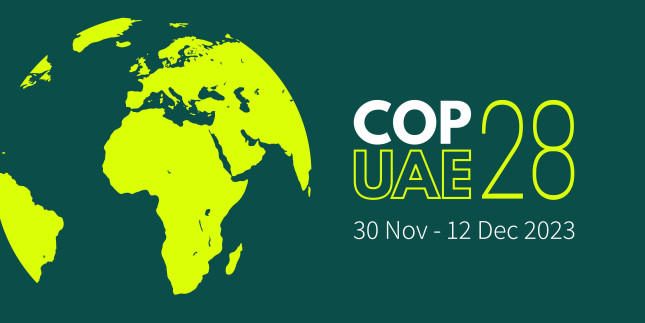
Gaza, Yemen, Syria, Human Rights, and Oil: The Elephants in the COP28 Room
›The annual multilateral Conference of the Parties (COP) has become one of the most important meetings on the global agenda. So the fact that the United Arab Emirates (UAE) will host COP28 starting this week in Dubai—on the coattails of another Arab country, Egypt, hosting COP27 in 2022—is a big deal. Bringing such important international meetings to the Global South is a step forward in decentering and reorienting global climate action.
-
The Arc | Dr. Yvonne Su on Climate Migration, Equity, and Policy
› In today’s episode of The Arc, ECSP’s Claire Doyle and Angus Soderberg interview Dr. Yvonne Su, an Assistant Professor in the Department of Equity Studies at York University in Toronto. Dr. Su challenges oversimplified portrayals of displacement by drawing out how socioeconomic status, identity, and timeframes shape experiences of migration. She also stresses the importance of involving marginalized communities in policy consultations and draws attention to local grassroots organizations as pivotal players in addressing the challenges of climate migration.
-
The Arc | Dr. Robert McLeman on Climate Migration, Equity, and Policy
› In today’s episode of The Arc, ECSP Director Lauren Risi interviews Dr. Robert McLeman, a professor of Geography and Environmental Studies at Wilfrid Laurier University in Toronto. Dr. McLeman unpacks how climate change interacts with social, economic, and political conditions in ways that lead some communities more vulnerable to climate-related displacement than others. He also shares insights into how we can better promote safe, dignified, and just migration in the context of climate change and how justice and equity considerations are being incorporated into climate migration policy.
-
Relief, Recovery, and Peace: Peter Schwartzstein on COP28’s New Theme
›
In today’s “Relief, Recovery, and Peace” episode on New Security Broadcast, we’re featuring an interview recorded by the Wilson Center’s Middle East Program (MEP) with Peter Schwartzstein, a Wilson Center Global Fellow and environmental journalist.
In a conversation with MEP director, Merissa Khurma, Schwartzstein discusses the impact of the war in Gaza on COP28 and environmental peacebuilding efforts more broadly in the region. He also talks about how to advance the new theme of peace in COP discussions and what his hopes are for a best-case scenario coming out of the upcoming summit.
Showing posts from category migration.
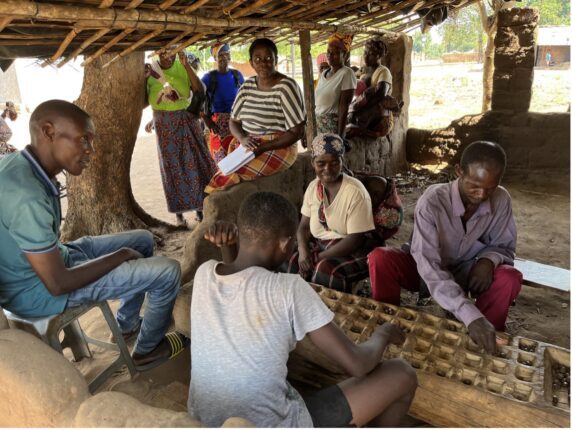 Individuals face immense challenges in displacement contexts, particularly where climate, conflict, and displacement intersect. In Mozambique, climate impacts have combined with conflict to displace nearly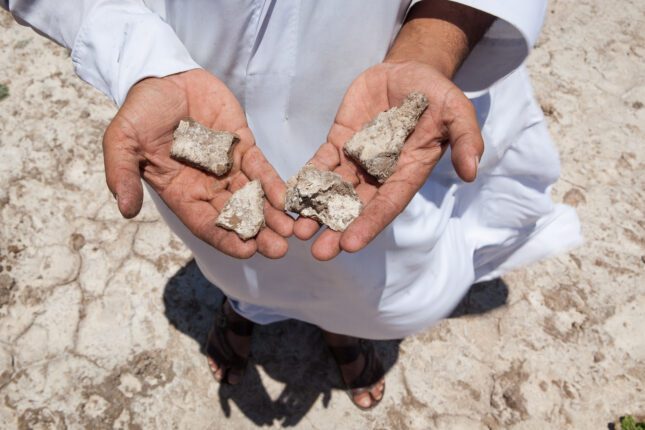
 In today’s “Relief, Recovery, and Peace” episode on New Security Broadcast, we’re featuring an interview recorded by the Wilson Center’s Middle East Program (MEP) with Peter Schwartzstein, a Wilson Center Global Fellow and environmental journalist.
In a conversation with MEP director, Merissa Khurma, Schwartzstein discusses the impact of the war in Gaza on COP28 and environmental peacebuilding efforts more broadly in the region. He also talks about how to advance the new theme of peace in COP discussions and what his hopes are for a best-case scenario coming out of the upcoming summit.
In today’s “Relief, Recovery, and Peace” episode on New Security Broadcast, we’re featuring an interview recorded by the Wilson Center’s Middle East Program (MEP) with Peter Schwartzstein, a Wilson Center Global Fellow and environmental journalist.
In a conversation with MEP director, Merissa Khurma, Schwartzstein discusses the impact of the war in Gaza on COP28 and environmental peacebuilding efforts more broadly in the region. He also talks about how to advance the new theme of peace in COP discussions and what his hopes are for a best-case scenario coming out of the upcoming summit.

