-
New UN Secretary-General Brings Humanitarian Experience, But Will It Matter? 5 Things to Watch
›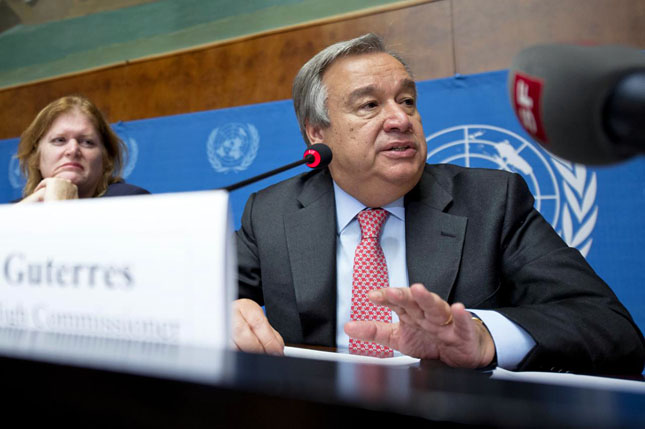
Over the next few days, many smart people will opine on the prospects for success of António Guterres, the man (yes, surprise, another man) nominated by the United Nations Security Council to be the next UN secretary-general.
-
Silently, Quickly, and Completely: The World’s Lakes in Peril
›September 28, 2016 // By Cara Thuringer
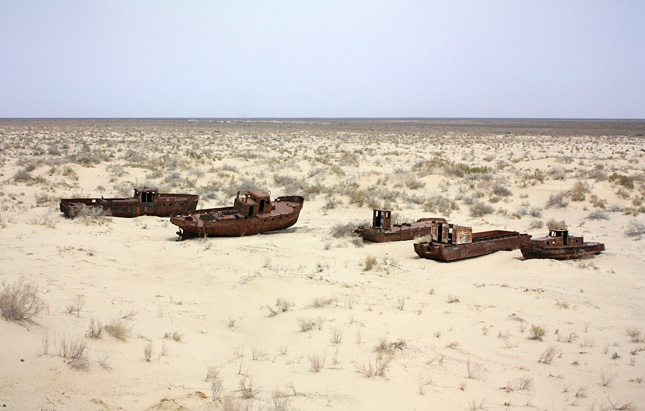
When Lake Poopó, Bolivia’s second-largest lake, dried up last December, an entire community lost their way of life and the scientific community cast their eyes to the map asking, where next? They didn’t have to look far. According to a report prepared by the World Lake Vision Committee, a collaboration between the International Lake Committee Foundation, the Shiga Prefectural Government of Japan, and the United Nations Environment Program, there are very few major lake systems that are not experiencing decreasing water quality, volume, biodiversity, or some combination of the three.
-
White House Announces Steps to Address Climate and National Security Alongside New Intelligence Assessment
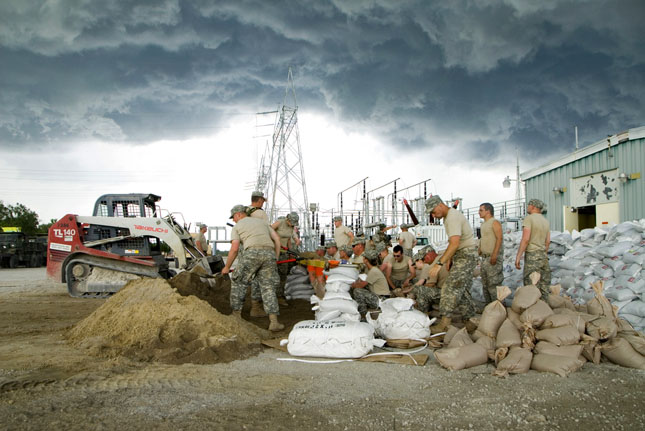
›Yesterday afternoon President Obama announced a new Presidential Memorandum on climate change and national security. The policy directs 20 federal agencies to consider the national security implications of climate change and establish a working group that will develop a Climate Change and National Security Action Plan for the federal government.
-
UN, U.S. Summits Offer Modest Immediate Relief to Refugees, But Systemic Reforms Needed
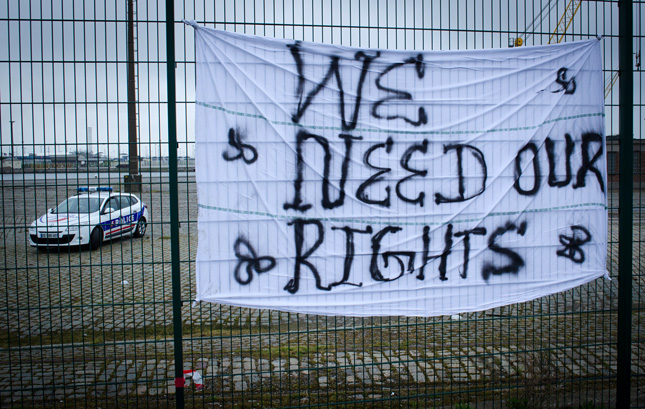
›Heads of state gathered in New York for the September 19 United Nations Summit on Refugees and Migrants will reaffirm principles of international law, pledge to treat asylum seekers more humanely, and promise to improve coordination between humanitarian and development organizations.
-
Striving for Sustainability at 10 Billion: The 2016 World Population Data Sheet
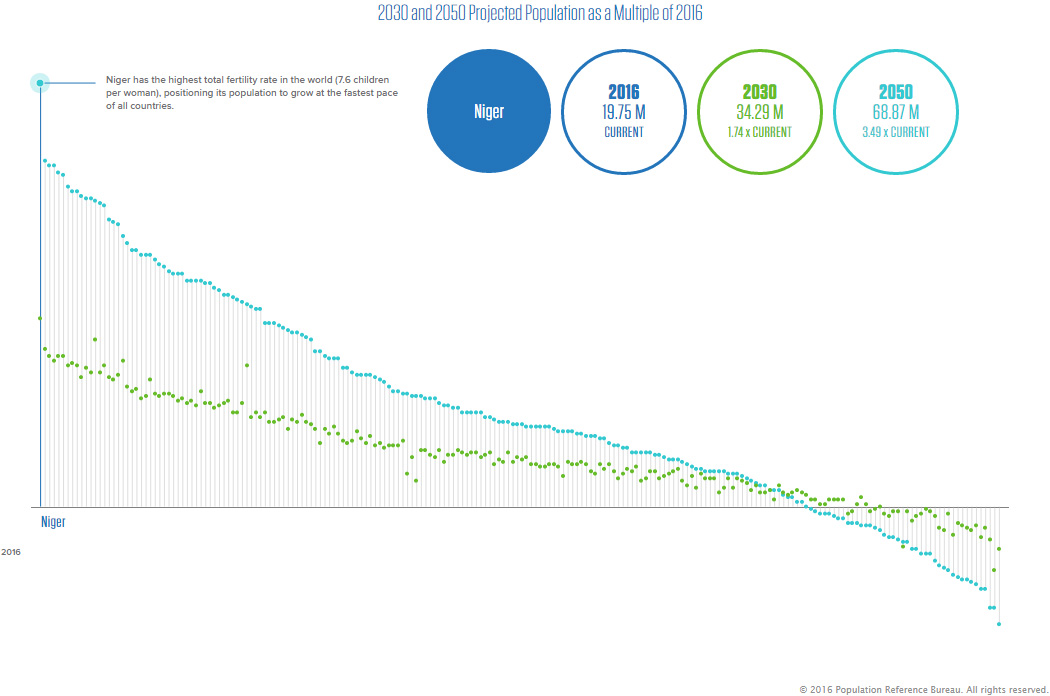
›Featured side by side at the top of The New York Times home page recently were two stories: one on the United States and China, the world’s largest producers of carbon emissions, committing to a global climate agreement, another on how rising seas are already affecting coastal communities in the United States.
-
Left Out and Behind: Fully Incorporating Gender Into the Climate Discourse
›August 22, 2016 // By Cara ThuringerMore often than not in the discourse around gender and climate change, the word “gender” is used primarily to refer to women. There is no disputing that women are acutely vulnerable to the effects of climate change in ways that are different than men and sometimes hidden. However, this interchangeable use of words neglects other dimensions of gender, sexual orientation, and sexual identity. As a result, we are missing important ways gender impacts people’s experiences with climate change.
-
Mobile Phone Data Helps Identify Displaced People Faster, Cheaper, More Accurately
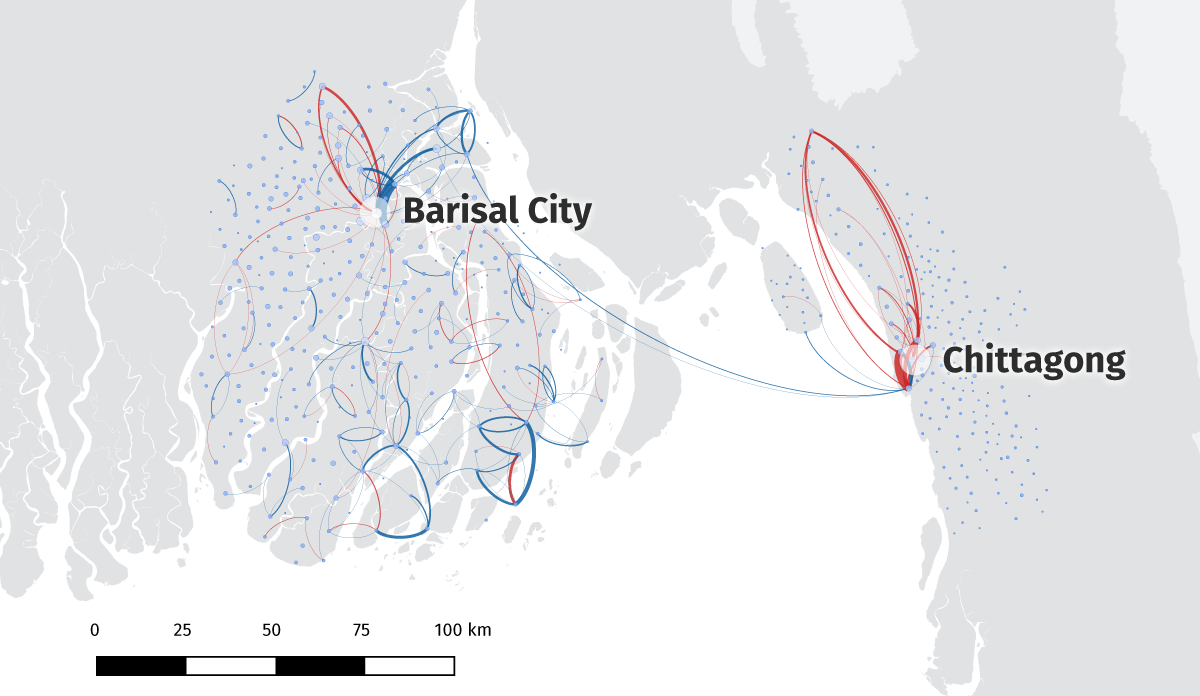
›If we are to avert the worst of climate change impacts, we need better tools for identifying patterns of displacement and migration around climate extremes. In vulnerable developing countries, increasingly frequent and intense storms will likely exacerbate current patterns of displacement and permanent migration. Displacement often leads to humanitarian crises in the short term and can derail progress toward development in the long term. Because of this dangerous potential, displaced persons and migrants are a common focus in humanitarian responses. However disaster responders must often “fly blind” without the benefit of current, accurate information about the worst-affected populations. To better respond to the impacts of climate change as they unfold, we will need more rapid, cost-effective, and accurate methods for identifying patterns of displacement and migration.
-
Justice and Contemporary Climate Relocation: An Addendum to Words of Caution on “Climate Refugees”
›The idea that climate change is causing migration and displacement is entering the mainstream, but experts have warned against using the term “climate refugees” to describe what we’re seeing in small islands, coastal regions, and even conflict zones like Syria.
Showing posts from category migration.