-
Planetary Security Conference Convenes Amidst “Unsettling New Normal”
›December 14, 2016 // By Schuyler NullEnvironmental security? Climate security? How about planetary security. Last week at the venerable Peace Palace in The Hague, nearly 300 experts from around the world met for the somewhat dramatically named Planetary Security Conference, a new initiative aimed at bringing together people working on all things related to the environment, climate change, and their security implications.
-
Masculinity Under the Microscope: Better Accounting for Men in Climate Adaptation
›December 13, 2016 // By Anam Ahmed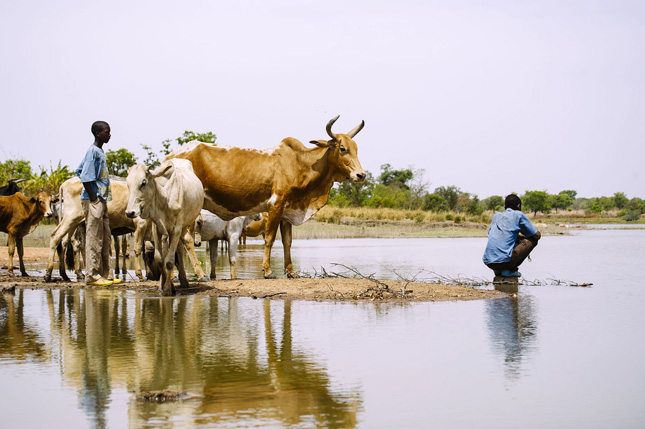
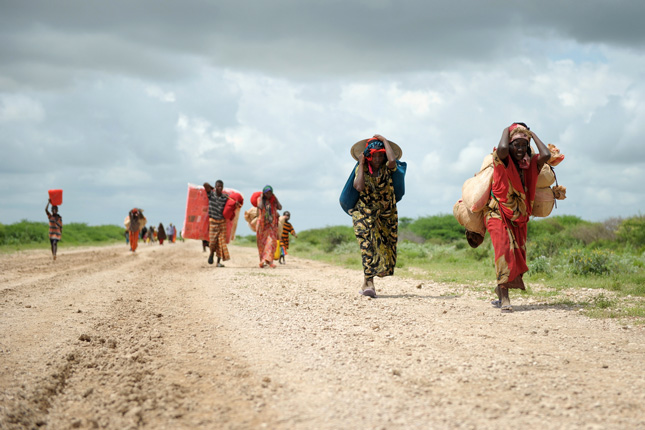
“Before the famine my life was better. I was a man in my own country,” Abdi Abdullahi Hussein, a Somali refugee living in Kenya, tells The Climate Reality Project. “When you have livestock and a farm and it all disappears, it feels like falling off a cliff.”
-
Land Privatizations, Not Just Climate Change, Are Costing Rural Kenyans
›
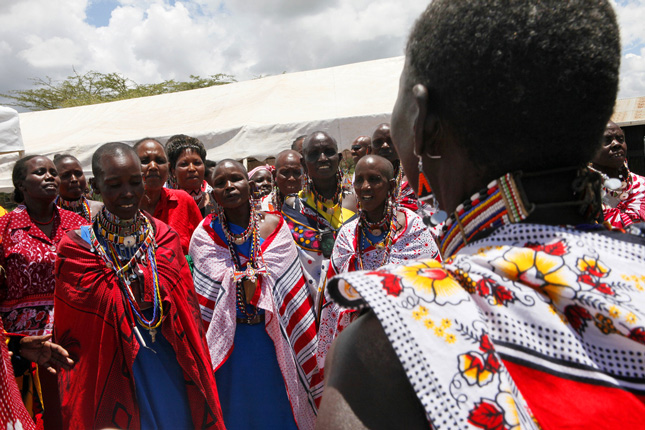
Eddah Senetoi lives with her son in the small pastoralist community of Elangata Waus. They keep cows, goats, sheep, and donkeys to buy food and pay school fees. For her and other pastoralists living in southern Kenya’s Kajiado County, climate change is compounding challenges from land subdivision and privatization, and magnifying social tensions and community conflicts over access to resources.
-
Navigating Complexity: Climate, Migration, and Conflict in a Changing World
›Record levels of displacement and accelerating climate change have prompted many to wonder if the world is headed toward a more violent future. The nexus of climate change, migration, and conflict is posing fundamental challenges to societies. But not always in the ways you might think. In a new report prepared for the U.S. Agency of International Development, Lauren Herzer Risi and I present a small guide to this controversial and consequential nexus of global trends.
-
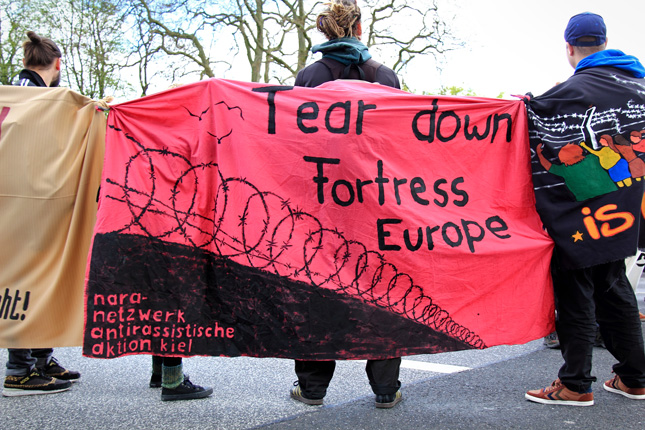
The Global Refugee Crisis Has Coarsened Our Politics, Says Wilson Fellow Joseph Cassidy
›Chaotic flows of refugees and migrants – the most since World War II – have challenged leaders in Western Europe and North America. “The reactions to those big flows are undermining our institutions in important ways and degrading our politics,” says Wilson Center Fellow Joseph Cassidy in this week’s podcast. -
Overcoming the Barriers Between Demography and Climate Science
›The 2015 edition of the annual Vienna Yearbook of Population Research is a special issue on differential demographic vulnerability to climate-related disasters. Many of the 16 articles are worth reading, but here are 2 of particular interest.
-
Report: Reducing Risks from Rapid Demographic Change
›October 27, 2016 // By Cara ThuringerThe world is undergoing a period of demographic transition which presents both opportunities and challenges for governments. A report by the Atlantic Council’s Mathew Burrows, formerly of the National Intelligence Council, Reducing the Risks from Rapid Demographic Change, examines the changes in population structures across high-, upper-middle-, lower-middle-, and low-income countries.
-
António Guterres and the Way Forward on Climate Change and Security
›On October 13, the United Nations General Assembly appointed Antonio Guterres as the next UN secretary-general. When the former prime minister of Portugal and high commissioner for refugees begins his term in January 2017, he will face a world of increasing climate and security crises. In a Wilson Center NOW interview and op-ed for The Daily Climate, Wilson Fellows Ruth Greenspan Bell and Sherri Goodman express optimism in Guterres’ ability to address these interconnected challenges and provide insight on the role of institutions like the United Nations in fighting climate change.
Showing posts from category migration.
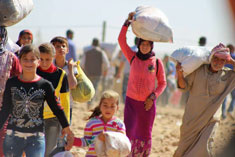 Chaotic flows of refugees and migrants – the most since World War II – have challenged leaders in Western Europe and North America. “The reactions to those big flows are undermining our institutions in important ways and degrading our politics,” says Wilson Center Fellow