-
Environmental Security Weekly Watch: November 10-14, 2025
›
A window into what we’re reading at the Stimson Center’s Environmental Security Program
Rising Food Insecurity is Driving Instability (Foreign Affairs)
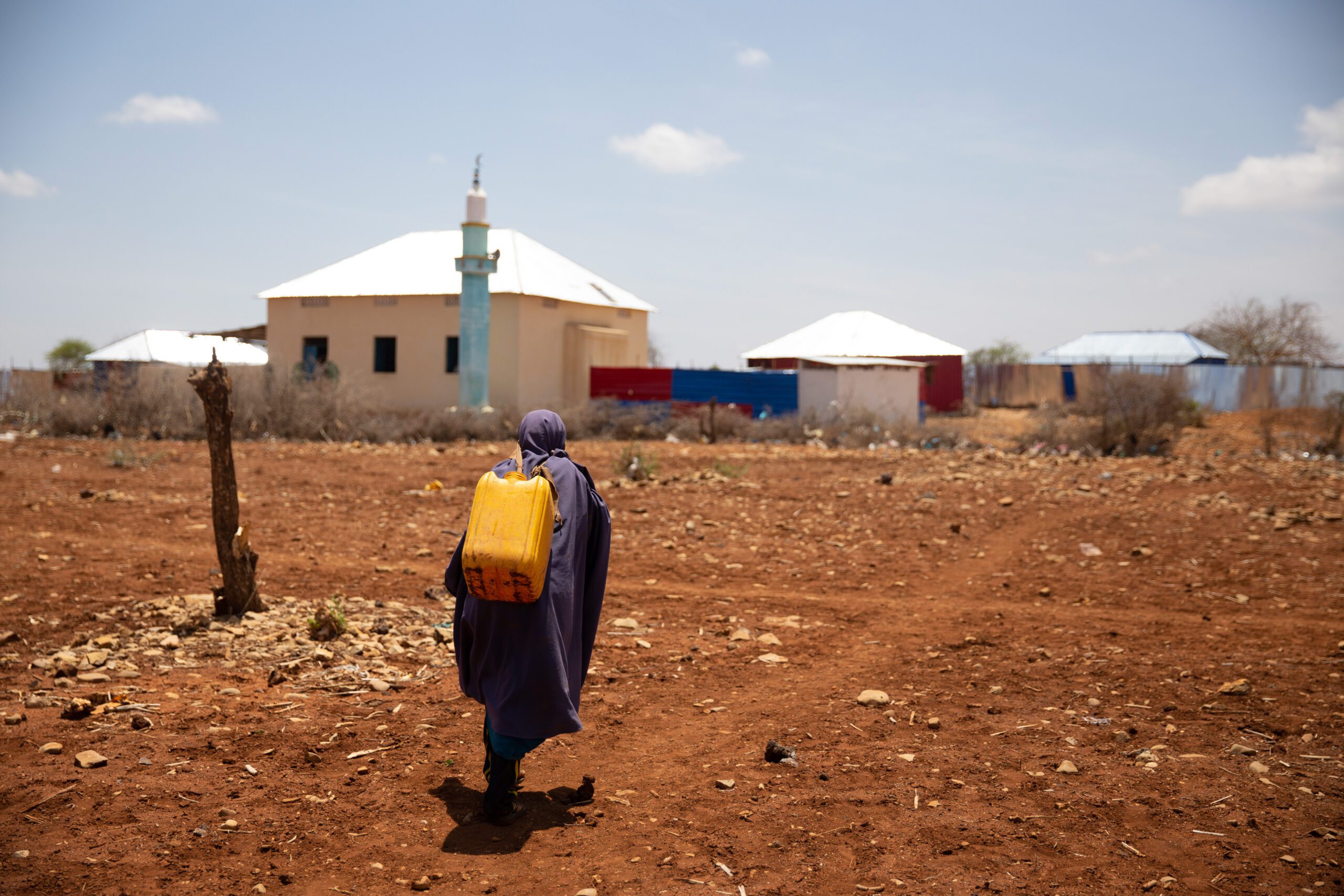
Since 2020, the number of people facing acute hunger and chronic food insecurity has increased 130% above existing levels. And supply is not the issue. At present, the world produces enough food to feed nearly 10 billion people, yet there are 720 million people who are food insecure and a further 319 million face acute hunger. Today’s hunger is driven instead by barriers to access.
-
No Peace at COP30? Why That’s a Risk the World Can’t Afford
›November 10, 2025 // By Nazanine Moshiri
As COP30 in Belém nears, leaders are calling it the “implementation summit.” Trillions of dollars in climate funding are at stake in Brazil in mid-November. Every sector, from forests to AI, has dedicated Thematic Days. However, one critical issue is noticeably missing from the official agenda: peace.
-
Beating the Backlash: Can Incremental Approaches Strengthen NGO Responses to Security-Based Migration Policies
›On October 2, 2024, Dominican President Luis Abinader launched a large-scale deportation operation through the National Security and Defense Council. Framed as an “emergency” security measure to “protect national sovereignty and address migration challenges,” the operation aimed to deport 10,000 Haitian migrants every week.
-
Guam and Vanuatu: Different Paths from Environmental Change to Human Insecurity
›Our present ecocrisis drives human insecurity. Single weather events killed hundreds in 2024, even in wealthy countries such as the United States or Spain. And beyond that staggering toll in human lives lurk staggering amounts of money required to repair and rebuild. In the United States alone, inflation-adjusted disaster-attributable costs have reached on average $153 billion each year. These factors and others make global environmental change a severe risk to human security.
-
ECSP Weekly Watch | August 19 – 23
›A window into what we are reading at the Wilson Center’s Environmental Change and Security Program
What’s Next for the Teesta Water Disputes? (The Hindu)
The recent political upheaval in Bangladesh which led to the resignation of Prime Minister Sheikh Hasina and the return of Nobel Peace Prize laureate Muhammed Yunus as leader of an interim government is not the only tumult in this nation. A worsening trend in weather events there has heightened Bangladesh’s exposure to climate shocks and allowed a dispute over the Teesta River to reemerge.
-
Reinvigorating US Development Assistance
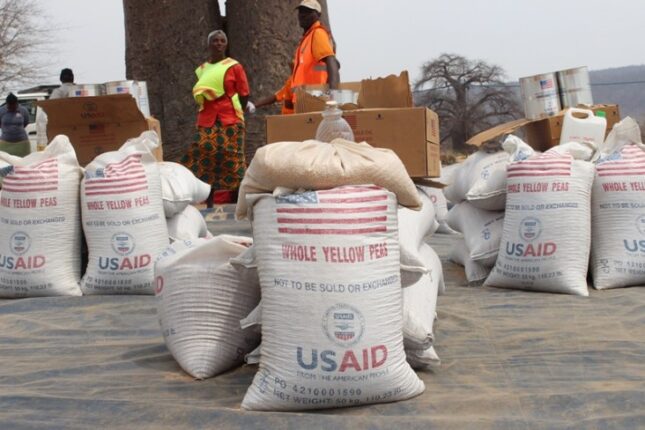
›Americans often hear arguments demagoguing exorbitant and wasteful development assistance spending. In an election year, these voices multiply. And they have influence. Past polls have shown that Americans believe that their government spends roughly 25 percent of the federal budget on foreign aid. The real total actually hovers around less than 1 percent.
-
Climate Change and Children’s Mobility
›Environmental shocks have been linked to significant changes in human migration around the world. Yet the large literature on environmental change and migration to date has primarily focused on working-age adults, working largely on the assumption that climatic impacts are most likely to influence labor migration.
-
Climate, Conflict, and Changing Demographics Command Attention in New Global Health Security Report
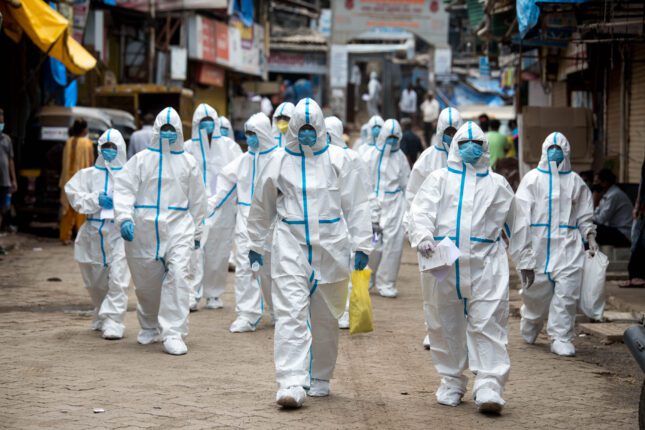
›A new report by the US Intelligence Community highlights what the world stands to lose if it fails to cooperate on global health. The National Intelligence Estimate (NIE) “Dynamics Shaping Global Health Security In the Next Decade” outlines the dire effects of climate change, changing demographics, and the erosion of trust in institutions on global health security. The NIE on Global Health Security was made publicly available in April 2024, on the heels of the Biden-Harris Administration’s launch of a new Global Health Security Strategy.
Showing posts from category migration.