-
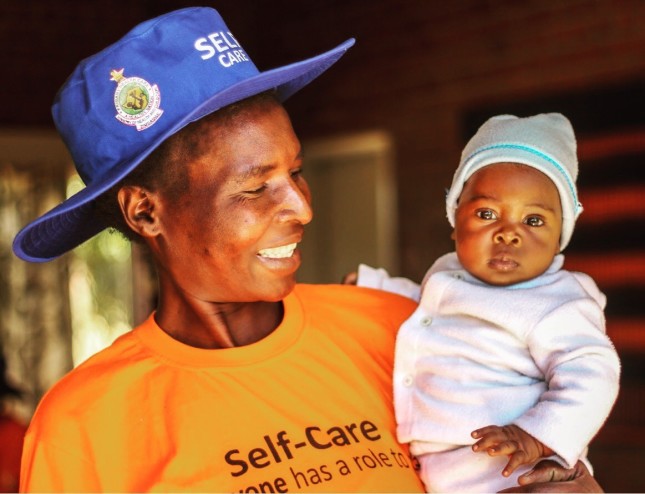
Me Care, We Care: How Self-Care Strengthens Maternal and Newborn Health
›
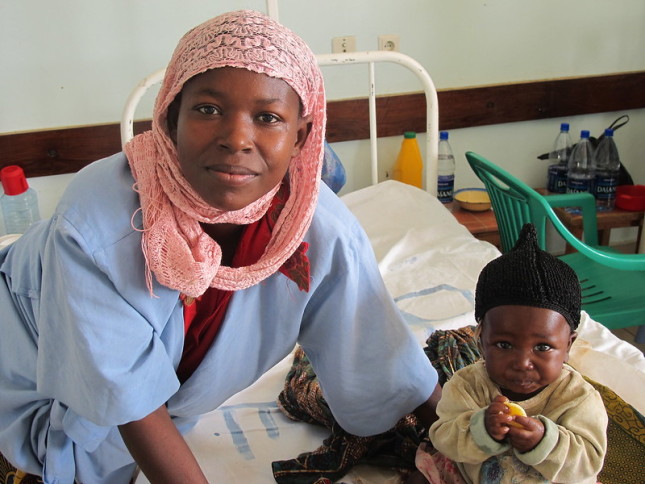
A recent report on global maternal mortality by the World Health Organization (WHO) reveals a hard truth: the world has been ignoring the needs of pregnant women. While there have been substantial reductions in maternal death rates since 2000, progress has stalled or been reversed in some countries after 2015, even before COVID-19 exacerbated the situation. Nations affected by humanitarian emergencies, conflicts, and other crises fared the worst.
-
Why We Must Include Pregnant People in Clinical Trials: The Case of the COVID-19 Vaccine
›
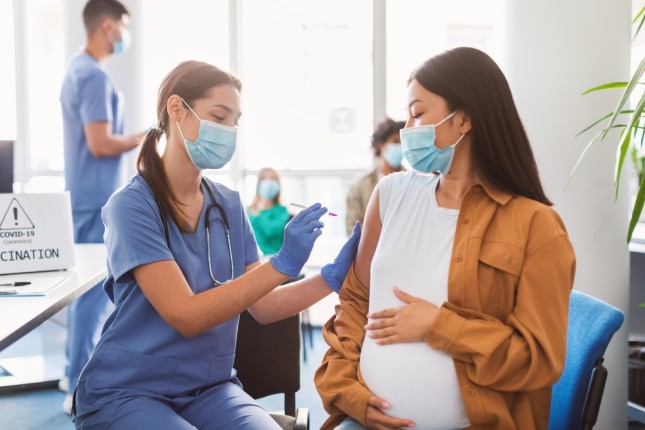
Of the more than 4 million pregnant people in the United States annually, 90 percent report taking at least one medicine during pregnancy, and about 50 percent receive the influenza or tetanus toxoid/reduced diphtheria toxoid/acellular pertussis (Tdap) vaccines. Yet 69 percent of clinical trials conducted in the United States explicitly exclude enrollment of pregnant people.
-
Sustaining PEPFAR’s Success through Integration, Equity, and Inclusion
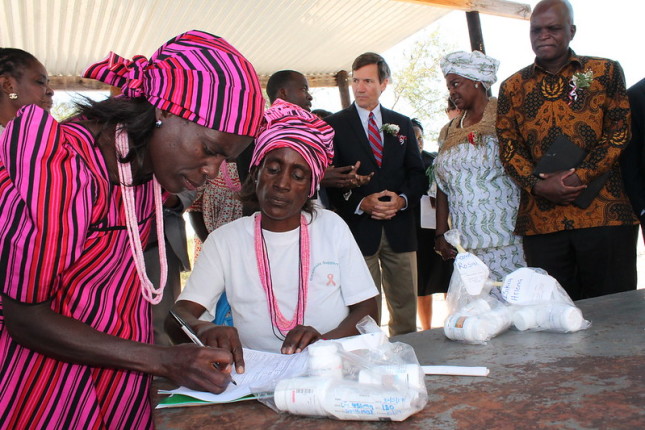
›It has been two decades since President George W. Bush launched the U.S. President’s Emergency Plan for AIDS Relief – or PEPFAR, and a recent Wilson Center event to celebrate the anniversary demonstrated that its impact as one of the most successful global public health programs is indisputable. Since its inception, PEPFAR has invested more than $100 billion in the global fight against HIV and AIDS, resulting in more than 25 million lives saved and millions of new infections prevented.
-
Intersecting Challenges Require Multisectoral Solutions: A Conversation with Charles Kabiswa
›The impacts of a changing climate touch every region of the globe, but they are acutely felt by people in Uganda, where floods, droughts, and shifting rainfall patterns disrupt agricultural productivity, livelihoods, and the health and well-being of millions of people. According to the ND-GAIN index, Uganda is the 13th most vulnerable nation in the world, and action there is urgently needed to better prepare for and adapt to climate change’s impacts.
-
Healthy Women, Healthy Economies: Translating Evidence to Impact
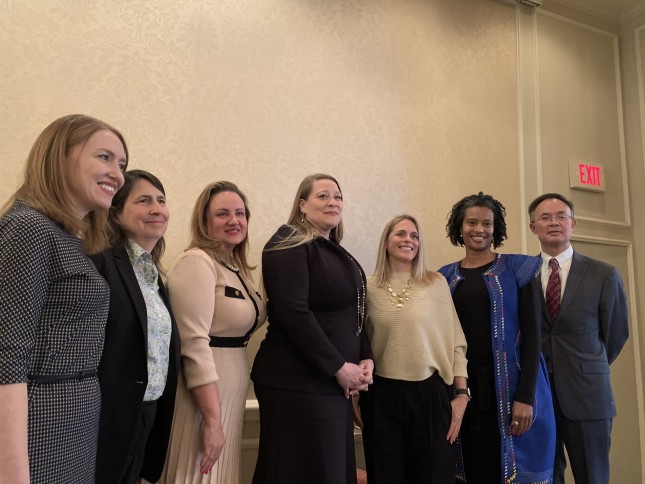
›“Women’s economic participation promotes economic growth and security. It’s good for the women involved. It’s good for the girls who dream of following in their footsteps,” said Ambassador Mark Green, President and CEO of the Wilson Center at a recent Women’s History Month private event in Washington, DC hosted by the Wilson Center and EMD Serono, the healthcare business of Merck KGaA, Darmstadt, Germany.
-
Sexual and Reproductive Justice: A Vehicle in Progress
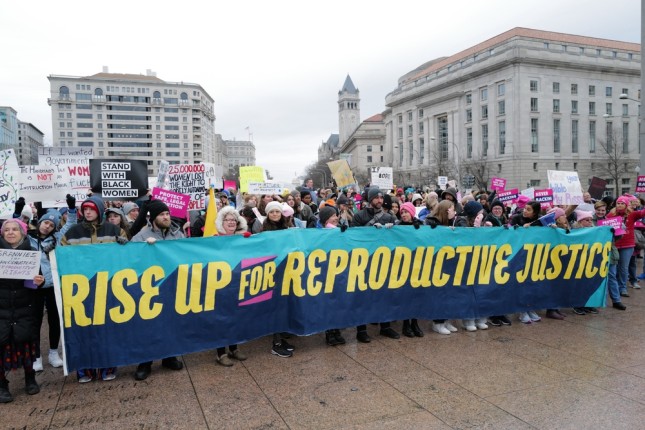
›The pace of change towards advancing sexual and reproductive health and rights is piecemeal and far too slow, said Dr. Natalia Kanem, Executive Director of the United Nations Population Fund (UNFPA), at a recent panel hosted by The Columbia University Global Health Justice & Governance Program (GHJG), in partnership with UNFPA, Columbia World Projects, and the Ford Foundation. The event launched the November 2022 report, Sexual and reproductive justice as the vehicle to deliver the Nairobi Summit commitments, published by the High-Level Commission on the Nairobi Summit on ICPD25 Follow-up.
-
Lancet Series Launch: Breastfeeding and the Fight Against Formula Marketing
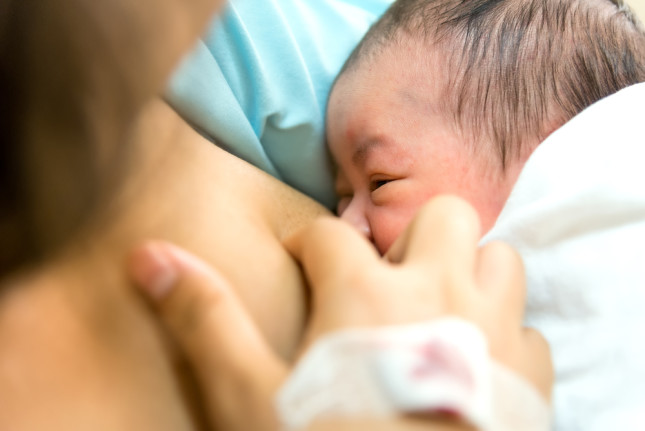
›“Too many children are dying in the first month of life,” said Richard Horton, Editor-in-Chief of The Lancet at a recent launch event for the 2023 Lancet Series on Breastfeeding, hosted by The Royal Society of Medicine, London. Indeed, the global numbers are staggering. Horton observed that 2.3 million children died in the first month of life in 2021—that’s more than 6,000 newborns dying every single day.
-
Top 5 Dot-Mom Guest Contributor Posts in 2022
›In 2022, the Dot-Mom column published several pieces from expert guest authors from the greater maternal and reproductive health community. In our top read guest contributor piece of the year, Susie Jolly examined the role of colonialism in sexuality education globally. Jolly highlighted examples where sexual health knowledge is built on unethical medical research carried out on racialized people, such as the study of untreated syphilis among Black men in the United States. Sexuality educators, especially those placed in the Global North, have a responsibility to work to decolonize their work. Jolly suggests supporting resources led by marginalized people, critically examining colonialism’s influence in the understanding of sexuality, and shifting the dynamics of who decides on content to lend more weight to non-Western expertise and young people learning from their own experiences.
Showing posts from category maternal health.