-
New Portal for Himalayan Region Aims to Provide Better Environmental Data
›
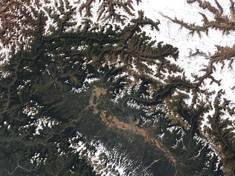
“There was drought so we had to share the little water brought a long distance from irrigation canals to the field. This delay in rice planting is resulting in a late harvest,” explains Ratna Darai, 47, a farmer in Daraipadhera, Nepal, during an interview with The Third Pole reporter Ramesh Bhushal. An erratic monsoon means an uncertain harvest in a nation where agricultural production is not on pace with population growth. Water insecurity is a major driver of conflict and uncertainly in the world’s most populous continent.
-
Gidon Bromberg on Environmental Peacebuilding in the Lower Jordan Valley
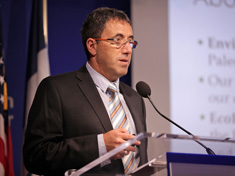
›“When you turn on the tap in any community in Israel, water will always flow. That’s not the case in Palestine, and it’s not always the case in Jordan either,” says Gidon Bromberg, Israeli director of EcoPeace Middle East, in this week’s podcast.
-
Pentagon Sustainability Report, IPCC Synthesis Highlight Climate Challenges and Responses
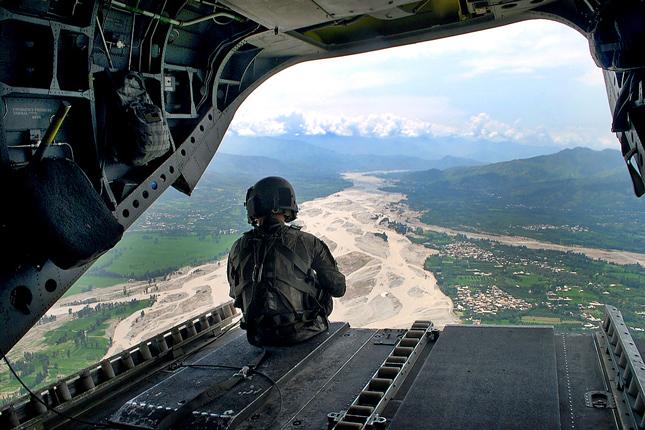
›The culmination of five years of work by three working groups comprising hundreds of scientists around the world, the Intergovernmental Panel on Climate Change’s Fifth Assessment was released in parts throughout this year. A newly released synthesis presents their findings in one document. -
Dividend or Divide? Africa’s Demographic Challenge
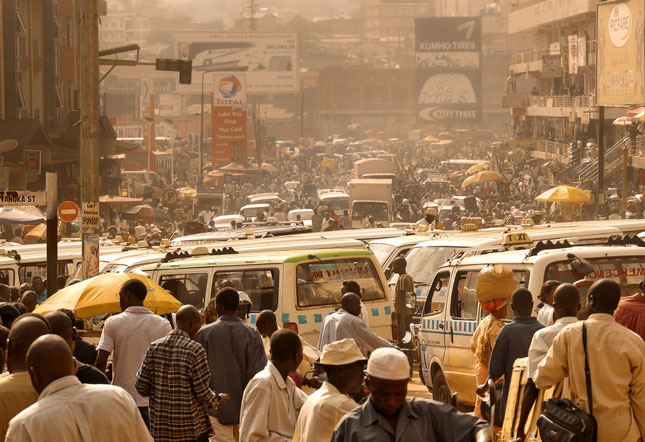
›“Sub-Saharan Africa’s young people are in effect the global labor force of the future,” said Jack Goldstone at the Wilson Center on October 15. “Whether they are productive, how large that cohort turns out to be, whether they find work or not, is going to have a bearing, I think, on all of us.” [Video Below]
-
Peter Schwartzstein, National Geographic
Amid Terror Attacks, Iraq Faces Water Crisis
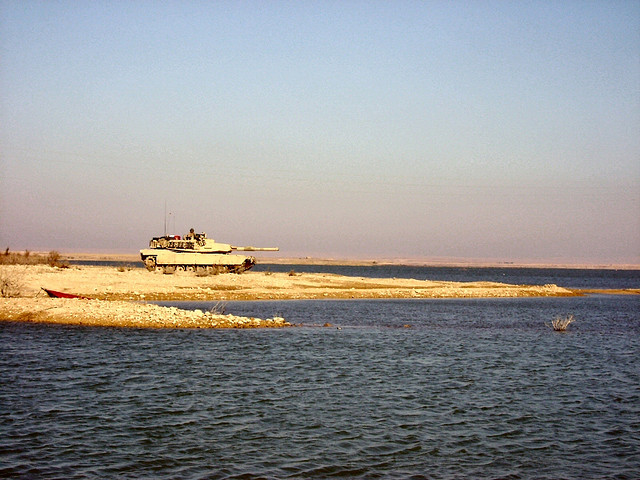
›November 5, 2014 // By Wilson Center StaffViewed from afar, the two-mile-long Mosul Dam is an impressive sight on the flat, sunbaked northern plains.
-
What’s Next? Two Decades Tracking the Environment-Security-Population Nexus
›Global crises like the Ebola outbreak force us to consider what “security” really means, said Sharon Burke, senior advisor for the New America Foundation. “Is security getting our kids to school and food on the table…or are you talking about military security and defense threats that require a weapon to counter?”
-
Can We Forecast Where Water Conflicts Are Likely to Occur?
›Many of the world’s freshwater systems reach across national boundaries, and growing demands combined with supply constraints may lead to increased potential for international water conflicts. If that’s the case, which international river basins are most at risk of conflict or, conversely, which are most prone to cooperation? What are the factors that increase or decrease conflict risk?
-
Andrea Ó Súilleabháin, Global Observatory
Overlooked Among 50 Million Displaced Worldwide, Women and Girls Lose Out
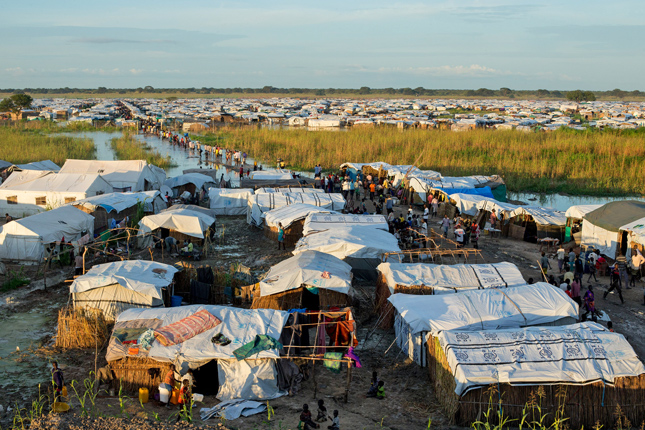
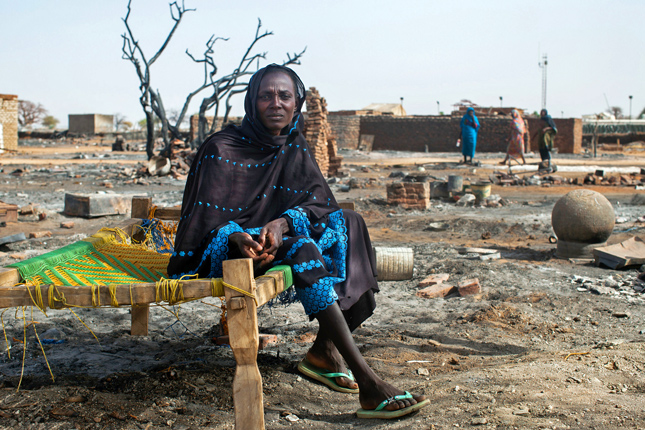
›October 23, 2014 // By Wilson Center StaffMass displacement has become a significant feature of recent conflicts, as the number of people forced to flee their homes has passed 50 million worldwide, a level not seen since World War II. This is one of the reasons why the UN Security Council will focus on women refugees and internally displaced persons (IDPs) during its annual open debate on women, peace, and security on October 28, according to Elizabeth Cafferty, senior advocacy officer at the Women’s Refugee Commission.
Showing posts from category security.