-
Military Leaders: Climate Change, Energy, National Security Are Inextricably Linked
›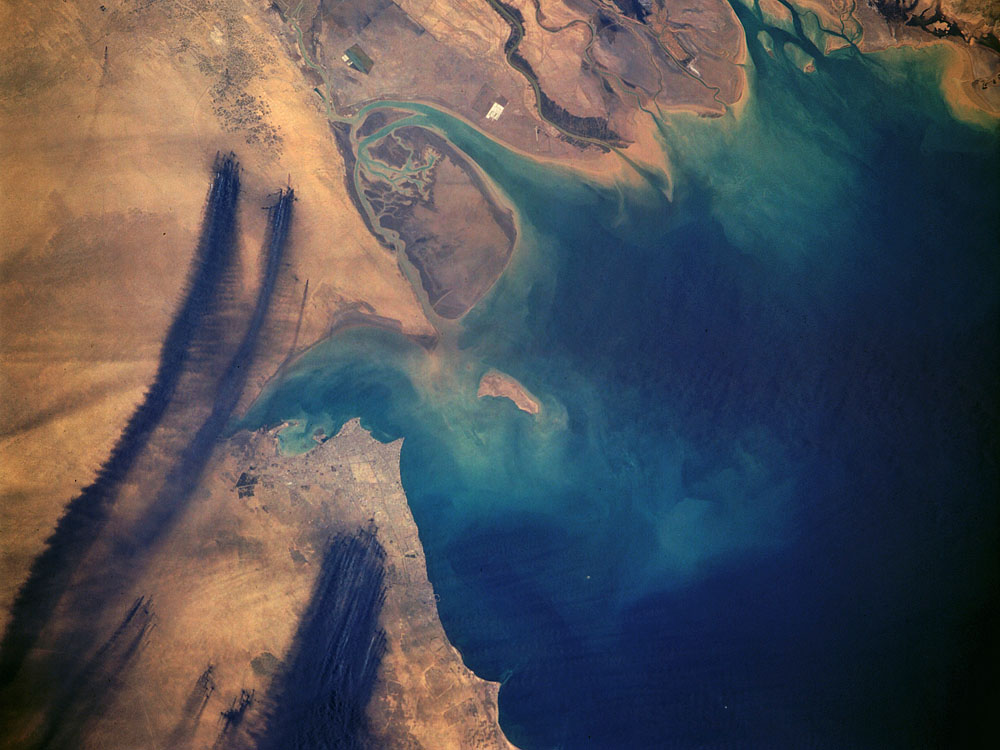
In the midst of a minefield on day two of Desert Storm Task Force Ripper, Marine Corps Operations Officer Richard Zilmer stepped out of his armored personnel carrier, squinted up at the sky, and saw nothing but black from horizon to horizon. Iraqi forces, trying desperately to blunt the attack of coalition armies, had set fire to hundreds of Kuwaiti oil wells and oil-filled trenches.
-
A Little Bit of Sugar Helps the Pill Go Down: Resilience, Peace, and Family Planning
›October 26, 2015 // By Roger-Mark De Souza
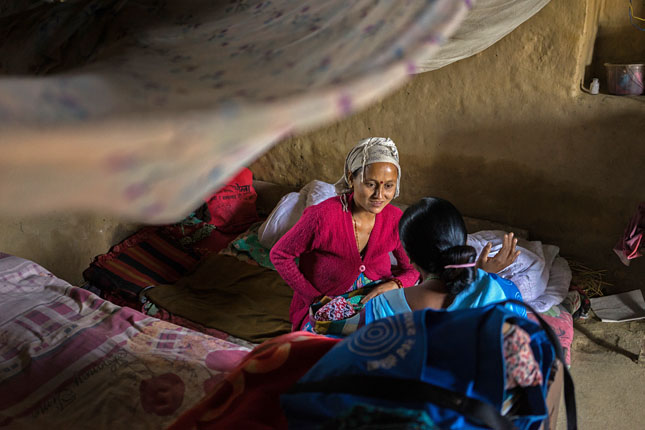
A recent article by Malcolm Potts, Aafreen Mahmood, and Alisha Graves of the University of California Berkeley’s OASIS Initiative notes that family planning has an important role to play in building peace by increasing women’s empowerment and their agency. “The pill is mightier than the sword,” as they put it.
-
Rachel Stern, Thomson Reuters Foundation
Despite Rising Concern, Climate Change Often Put on Back Burner in Conflict Zones
›October 23, 2015 // By Wilson Center StaffBarren barley and wheat fields stretch across the dry landscape of northern Afghanistan, the result of persistent drought and flash flooding that has left thousands of people facing food shortages and loss of work.
-
Growing Role of Armed Forces in Disaster Relief a Dangerous Trend for Latin America
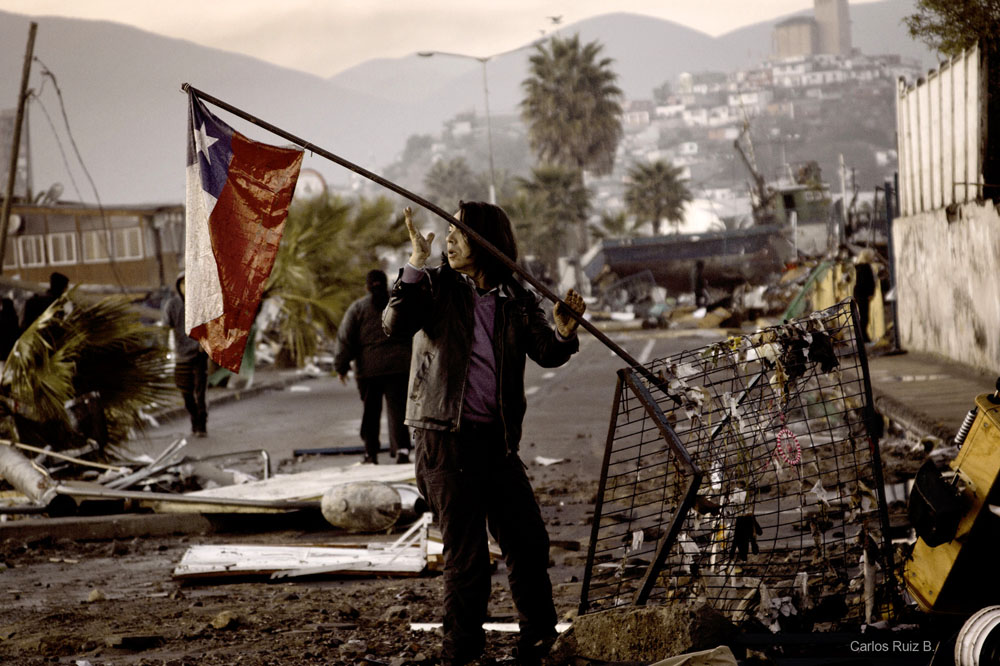
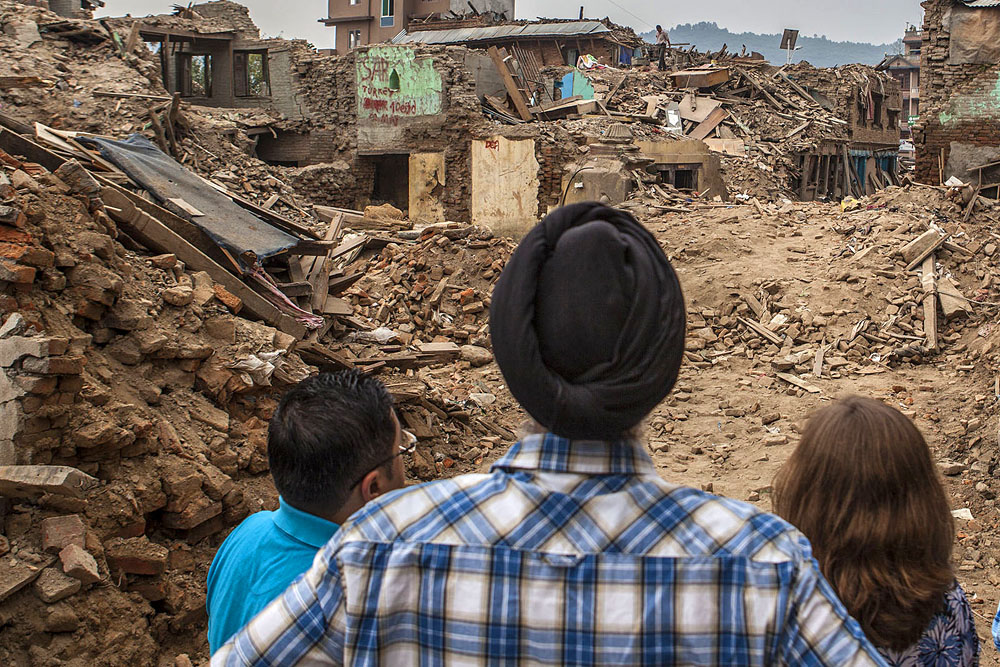
›From earthquakes to floods, when natural disasters strike, the military is often called on to bolster civilian responses. Policymakers throughout Latin America in particular are increasingly relying on the armed forces for emergency assistance.
-
Migratory Labor for Extractive Industries Creating “Sons of Soil” Conflict in China
›In May 2011, two weeks before I was scheduled to start research in the region, a Mongol herder named Mergen was hit by a mining truck while protecting his pastureland in Xilingol, Inner Mongolia. He was dragged 140 feet and killed. His death sparked a month of protests.
-
Climate Data Can be Critical in Fragile and Conflict-Affected States – Here’s How to Get It
›October 5, 2015 // By Schuyler NullWhen war breaks out, what happens to the weather forecast? Violent conflict disrupts many essential services in developing countries and one of the most overlooked is meteorology, which has surprisingly big consequences for farmers, policymakers, and the aid workers who are there to help.
-
Ruth Greenspan Bell, Foreign Affairs
What Will It Take to Break the Climate Gridlock? Learning From Iran and Cuba
›September 29, 2015 // By Wilson Center StaffUnited States President Barack Obama invested four years and his top diplomats in containing Iran’s nuclear capabilities. He did this because an armed Iran is an existential threat to its neighbors, its region, and the world. Obama’s efforts in the talks stand in marked contrast to those geared toward addressing an even bigger and longer-term existential threat – containing climate change. The conditions that allow humans to survive, evolve, and thrive on earth are being compromised; radical changes in the climate promise a very uncertain future.
-
Scenario Planning for Development: It’s About Time
›Scenario planning has a long history. The RAND Corporation employed it heavily in planning for potential U.S. responses to nuclear war and 16th century Spanish Jesuit theologians pointed to the idea as proof of free will. But in many respects this powerful set of methodological tools for managing complexity and uncertainty remains underused, especially beyond the defense, intelligence, and business communities.
Showing posts from category security.