-
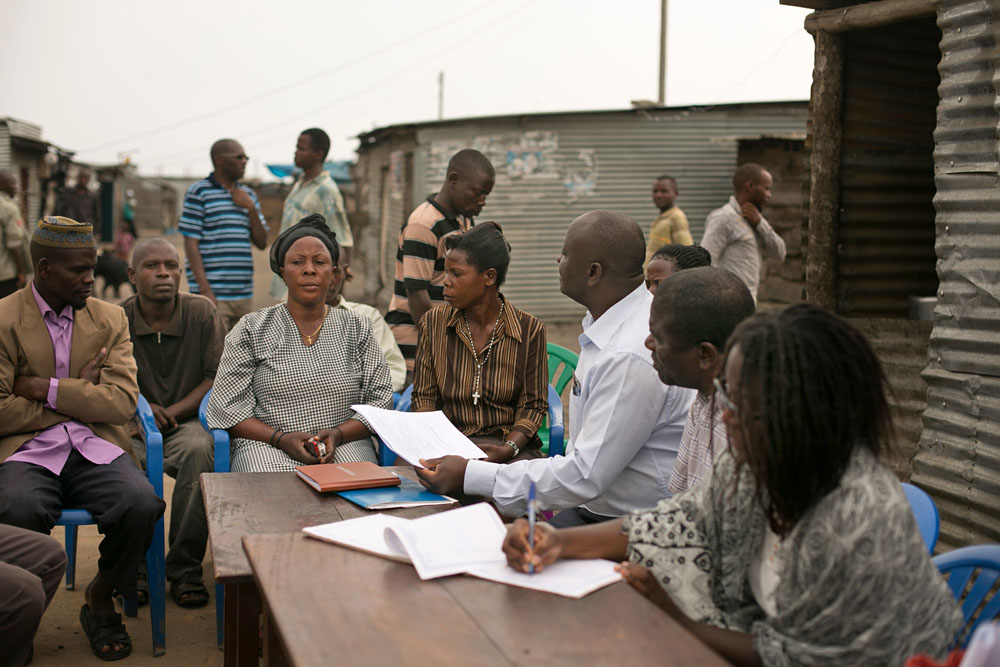
Kate Gilmore on Protecting Sexual and Reproductive Rights in the “Toughest of Times, in the Hardest of Places”
› “Right now, 1.5 billion people are living in humanitarian crisis – living in conflict-afflicted regions,” says Kate Gilmore, deputy executive director of the United Nations Population Fund (UNFPA), in this week’s podcast.
 -
Can Myanmar Avoid Conflict Pitfalls in its Hydro Blitz?
›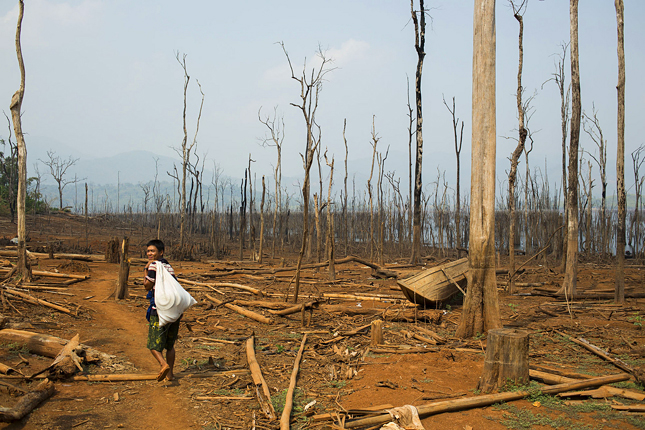
Myanmar is undergoing multiple transitions, from military rule to democracy, decades of civil war to peace, and from a command economy to a market-based one. No less of an important challenge amidst this backdrop of change and hope is addressing the country’s energy poverty.
-
The U.S. Intelligence Community’s Assessment on Food Security, Famine and Migration in the Sahel
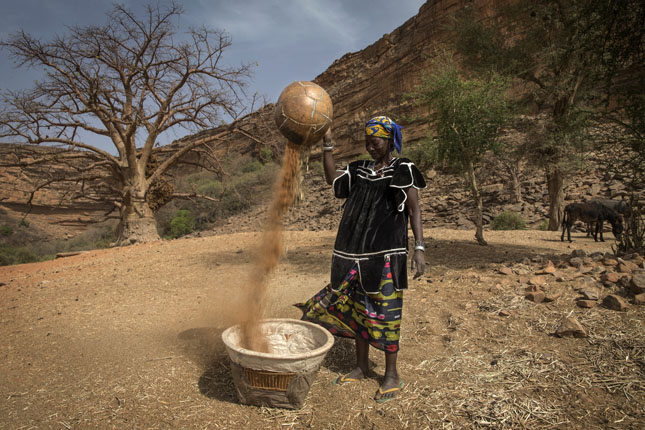
›This fall, the National Intelligence Council released an intelligence community assessment of the extent to which factors such as climate change, severe weather, conflict, resource scarcity, disease, poor governance, and environmental degradation will impact peoples’ purchasing power and food availability over the next decade. They found “the overall risk of food insecurity in many countries of strategic importance to the United States will increase.” -
Nyaradzayi Gumbonzvanda on Elevating Young Female Leaders By Giving Them Space
›“The demographic data is telling us that the future is very young and the future is very female,” says Nyaradzayi Gumbonzvanda, a lawyer and general secretary of the World Young Women’s Christian Association (World YWCA), in this week’s podcast. “And therefore, we actually have an imperative to respond.” -
Venezuela’s Turn? Age Structure and Liberal Democracy in South America
›January 21, 2016 // By Richard CincottaVenezuela seems suspended at a critical juncture. Following national elections in December, the opposition Democratic Unity Roundtable was set to occupy two thirds of the 167-seat National Assembly, an upset that would reduce the late Hugo Chávez’s United Socialist Party to a distant second place for the first time and given opposition legislators the power to enact sweeping political changes.
-
Lessons From Uganda on Strengthening Women’s Voices in Environmental Governance
›Ask Agnes Namukasa about sustainably managing fisheries in Kachanga, the lakeshore landing site she calls home in Uganda’s Masaka District, and you will soon learn about toilets. From her perspective, community members won’t address conflict between government enforcers and fishers, competition among neighboring villages, or pollution threatening aquatic ecosystems until they can first organize to address their most pressing daily needs. And in Kachanga, where chronic childhood diarrhea and a host of other illnesses stem from poor sanitation, those essentials include public latrines.
-
An Empty Table? Food-Climate-Conflict Connections in Paris
›Security, terrorism, conflict, and peace: you won’t find any of these words in the landmark agreement released on December 12 at the 2015 Paris Climate Conference (COP-21). It’s never been front-and-center on the agenda at previous Conference of Parties, from Copenhagen to Cancun. But in Paris, a city reeling from terrorist attacks, the specter of climate-related conflict haunted delegates and the potential of a climate-resilient peace inspired grassroots protests.
-
Fire and Oil: The Collateral Environmental Damage of Airstrikes on ISIS Oil Facilities
›As the United States, Russia, and others step up attacks on the self-proclaimed Islamic State in Iraq and Syria (ISIS), there is concern over their direct and long-term environmental and public health impacts. Many air strikes have targeted lucrative oil installations under the control of ISIS, and these could have severe detrimental effects for Syria’s future, both environmentally and socio-economically. Questions around the effectiveness of these strikes, both from a military and political perspective, seem to be missing in the wider debate.
Showing posts from category security.
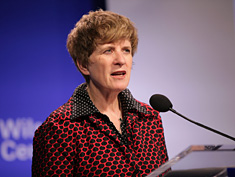 “Right now, 1.5 billion people are living in humanitarian crisis – living in conflict-afflicted regions,” says Kate Gilmore, deputy executive director of the United Nations Population Fund (UNFPA), in this week’s podcast.
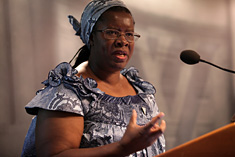 “The demographic data is telling us that the future is very young and the future is very female,” says Nyaradzayi Gumbonzvanda, a lawyer and general secretary of the