-
8 Rules of Political Demography That Help Forecast Tomorrow’s World
›In a world rapidly churning out unpredictable political shocks, intelligence analysts occasionally need to clear their heads of the daily barrage of newsworthy events and instead work with simple theories that discern the direction and speed of trends and help predict their outcomes. Political demography, the study of population age structures and their relationships to political trends and events, has helped some analysts predict geopolitical changes in a world that, from time to time, appears utterly chaotic.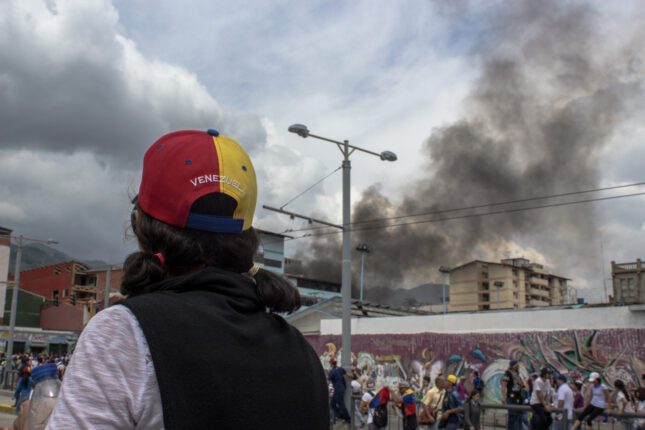
-
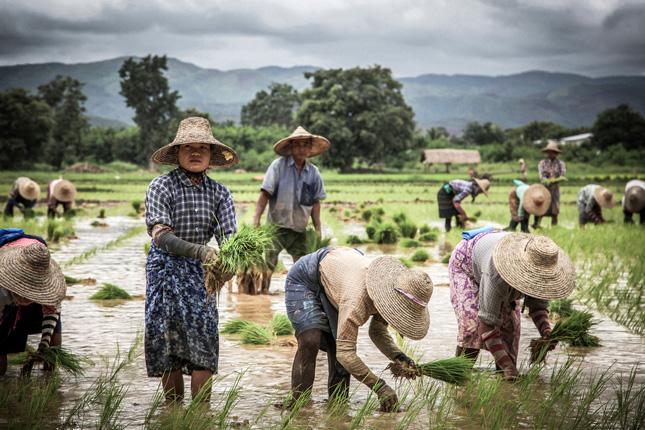
ND-GAIN Updates Climate Adaptation Index: Good News for Myanmar, Bad News for Brazil
›
As climate change leads to more weather variability and natural disasters, the need for adaptation is more urgent than ever. The Notre Dame Global Adaptation Initiative (ND-GAIN) aims to enhance understanding of adaptation and inform the public and private sectors on actions and investments.
-
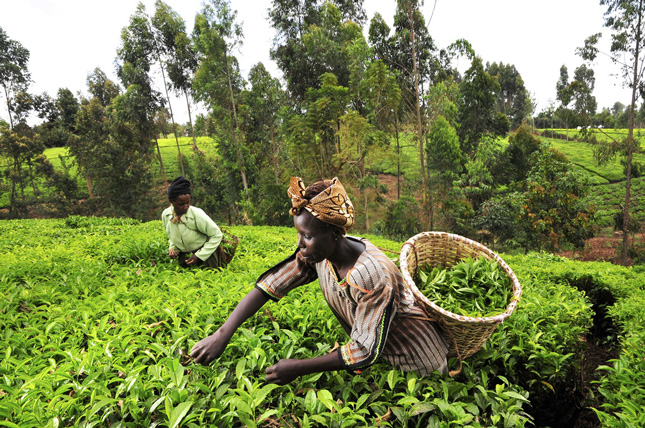
Food Violence Shows Need for Both Development and Climate Resilience
›In March, the Trump Administration released a new budget proposal that would cut funding to the Department of State and U.S. Agency for International Development by 28 percent. The proposal also reduces funding to the United Nations for ongoing climate change efforts. At the same time, the White House is publicly considered withdrawing from the Paris Climate Accords, with a final decision anticipated any day. Critics both outside the administration and within have pointed to the drawbacks of these moves, but the sum of the policy changes could have an even greater impact than the individual parts.
-
Michael Kugelman on Pakistan’s “Nightmare” Water Scenario
›“Water scarcity is a nightmare scenario that is all too real and all but inevitable in Pakistan,” says Michael Kugelman, deputy director of the Wilson Center’s Asia Program, in this week’s podcast. -
Miners Plunder Tamil Nadu’s Sands, Dropping Some Rivers by 50 Feet
›CHENNIMALAI, India – There is river and beach sand aplenty in Tamil Nadu. At 130,000 square kilometers (50,200 square miles), the state is about the same size as Nicaragua and has 95 rivers with sandy bottoms and a long Bay of Bengal shoreline. Or did. For almost all of its thousand-year history, the state of Tamil Nadu took all that sand for granted. No longer.
-
Roger-Mark De Souza on the Paris Climate Agreement, With or Without the U.S.
›“A lack of U.S. government support for the Paris climate agreement will mean that the United States will further isolate itself from international collaboration and cooperation on multiple fronts. It will affect U.S. security, the provision of jobs; U.S. business operations, and U.S. diplomatic efforts. The agreement, because it has a broad basis of support, will continue with or without the United States.”
-
Christophe Angely on Overcoming Pessimism for the Sahel
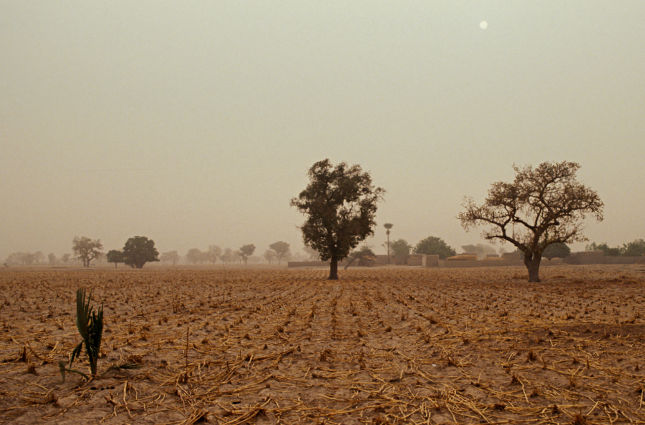
›The Sahel region of Africa is a wide band that marks the transition from the Sahara Desert in the north to the wetter, sub-tropical regions in the south. The Sahelian countries have some of the most rapidly growing populations in the world and have faced significant environmental change over the past century. In recent years, insurgencies have surged in several countries, new terrorist groups have become active, there have been several droughts, and migration has increased. -
Risk, But Also Opportunity in Climate Fragility and Terror Link
›In a recent article for New Security Beat, Colin Walch made the case that the abandonment of some communities in Mali to deal with climate change on their own has created “fertile ground” for jihadist recruitment. In a similar argument, Katharina Nett and Lukas Rüttinger in a report for adelphi asserted last month that “large-scale environmental and climatic change contributes to creating an environment in which [non-state armed groups] can thrive and opens spaces that facilitate the pursuit of their strategies.”
Showing posts from category security.
 “Water scarcity is a nightmare scenario that is all too real and all but inevitable in Pakistan,” says Michael Kugelman, deputy director of the Wilson Center’s Asia Program, in this week’s podcast.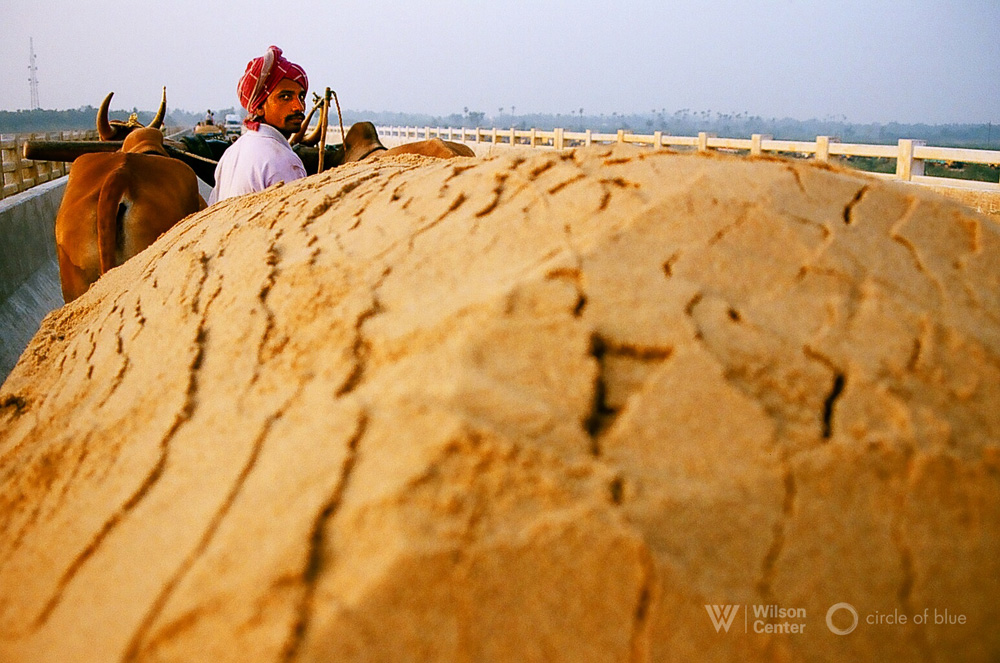
 The Sahel region of Africa is a wide band that marks the transition from the Sahara Desert in the north to the wetter, sub-tropical regions in the south. The Sahelian countries have some of the most rapidly growing populations in the world and have faced