-
Mothers on the Front Lines: Armed Conflict, Aid Distribution, and Maternal and Child Health
›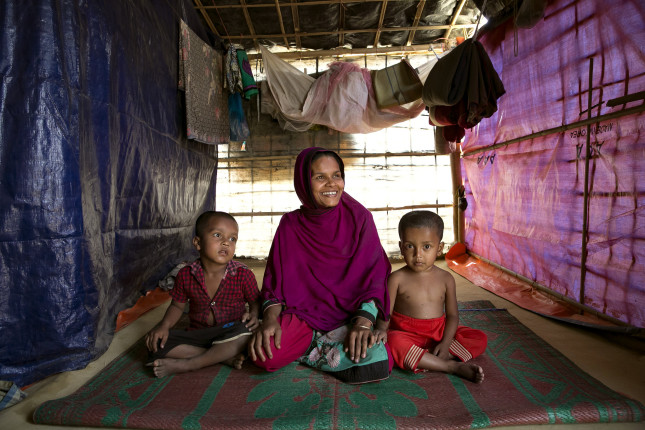
While most people killed in wars are male, several studies have found that “mortality among women in some high-intensity conflicts was as severe as male mortality,” said Henrik Urdal, the Director of the Peace Research Institute Oslo (PRIO), at a recent Wilson Center event on the links between maternal and child health, aid, and armed conflict. “Maternal health is a very natural place to start” when researching excess mortality and indirect deaths among women impacted by war, said Urdal.
-
As Andean Glaciers Retreat, So Does Regional Security
›
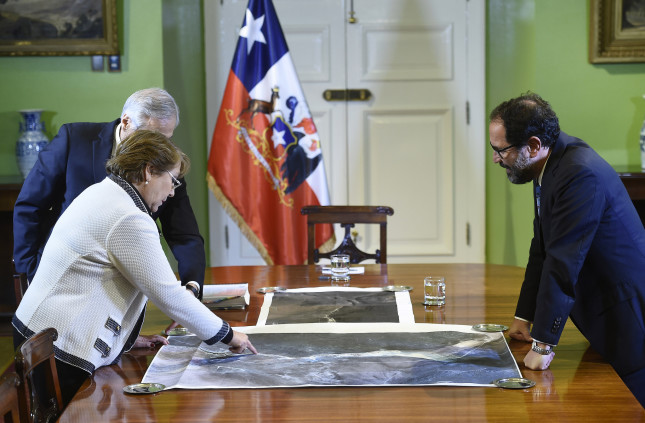
Last month, Bolivia filed a counterclaim against Chile in the International Court of Justice—the latest salvo in their battle over rights to the waters of the Silala River. The court will decide whether Silala is “an international watercourse”—thus granting water rights to Chilean mining operations—or simply an artificial diversion of Bolivian spring water by Chile. This legal case marks the latest chapter in Bolivia and Chile’s historically delicate relationship, which dates back to the War of the Pacific in the late 19th century.
-
Bipartisan Lawmakers Fight Illegal Wildlife Trafficking, Promote Smart Development for Conservation
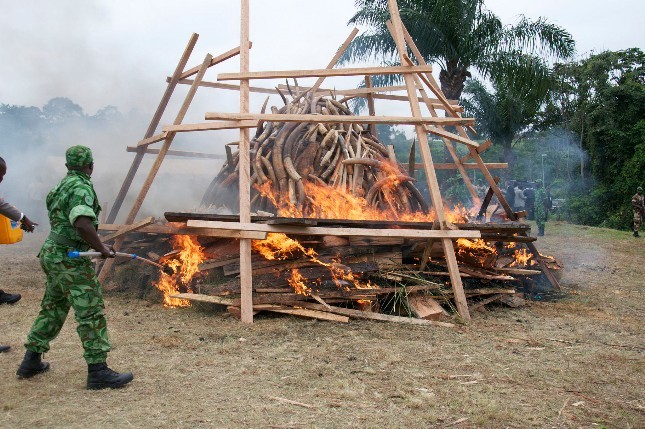
›“In the last decade, almost half of Africa’s elephants have been killed for their ivory, and some experts are predicting that both elephants and rhinoceros will be extinct by 2030,” said Nancy Lindborg, President of the U.S. Institute of Peace at a recent event on wildlife poaching and trafficking. The illegal trade in protected wildlife is worth US$7-10 billion—some of which has ended up in the pockets of armed groups like Al-Shabaab and the Lord’s Resistance Army, said Lindborg.
-
The New Slave Trade: Migration, Trafficking, and Terrorists in Libya
›While dismayed Americans watched the “zero tolerance” policy of family separation unfolding at the Mexican border, across the Atlantic, another shocking migration crisis continues to fester. Behind the grueling headlines of drownings in the Mediterranean Sea, migrants run a gauntlet of abuse through the Sahara desert to reach the Libyan coast. Armed militias and terrorist organizations across the Sahel profit by smuggling people displaced by climate, population, and security crises. While European policymakers struggle to cope with arrivals, their containment approach consistently disregards the root causes that force people to take such unimaginable risks. The high value of these human commodities not only exposes vulnerable migrants to torture, extortion, and even enslavement, but also provides funds for terrorist groups intent on attacking the West.
-
Too Little Too Late: Violence Disrupts Maternal Health Care in Conflict Settings
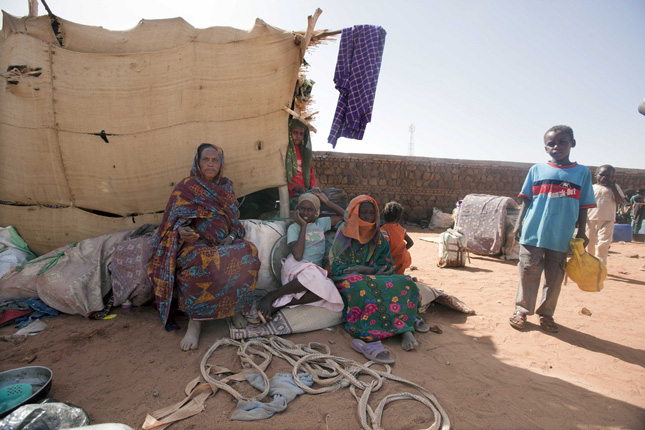
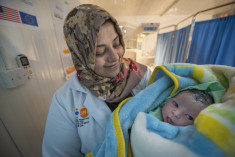
›“One of the first victims of war is the health care system itself,” said Marco Baldan, the chief war surgeon for the International Committee of the Red Cross. Violence directed at health facilities and workers is common in conflict, despite international laws protecting medical personnel, facilities, and transport vehicles during war. -
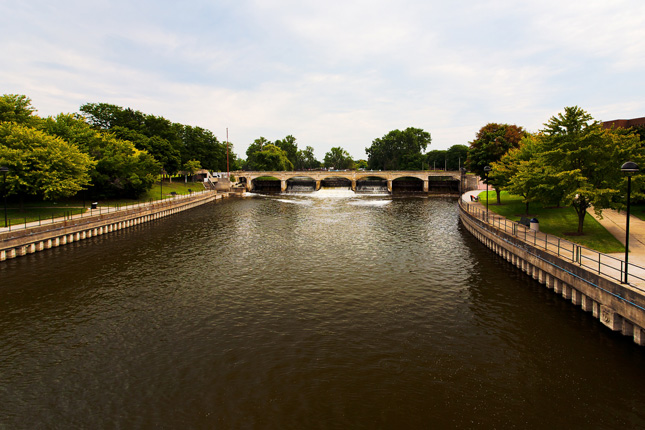
Big Dams, Big Damage: The Growing Risk of Failure
›August 21, 2018 // By Olivia SmithLast month, a partially completed dam in Laos’ Attapeu province collapsed, washing away people and villages in its path. Hundreds of people are still missing and more than six thousand are homeless. And after last summer’s hurricanes, U.S. citizens in Houston and Puerto Rico escaped death but were forced to evacuate when dams were flooded. Dam failure can be catastrophic for people, property, and power—and the risks are rising, due to lack of investment in maintenance, growing vulnerability to climate change, and the demonstrated potential of cyberattacks.
-
Driven to Care: Improving Transportation to Reach Maternal Health Care in Conflict Zones
›How much time passes between a laboring woman’s decision to seek care and her arrival at a health facility? Transportation for emergency obstetric care should be swift and timely, but for many refugees in the world’s conflict zones, it is not.An analysis of refugee maternal mortality in 10 countries found that transportation problems contributed to more maternal deaths outside of refugee camps, which tend to have better access to emergency transportation services.
-
Water Security in a New Age of Nationalism
›The idea of a “new middle” or “third way”—a blend of neo-liberal economic doctrines and social policies that was supposed to overcome the dichotomy between mixed economy and free market paradigms—more or less dominated U.S. and European politics for the last two decades. But today, this centrist consensus has been upended by a wave of populist, nationalist parties. Many have won over their electorates by questioning the benefits of free trade and globalization (as well as the international institutions that espouse them), while pursuing expansionary domestic economic policies.
Showing posts from category security.
 “One of the first victims of war is the health care system itself,”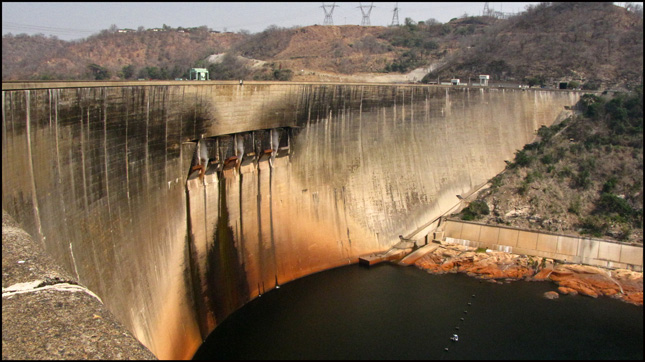
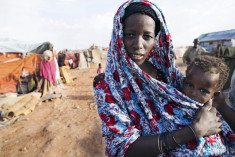 How much time passes between a laboring woman’s decision to seek care and her arrival at a health facility? Transportation for emergency obstetric care should be swift and timely, but for many refugees in the world’s conflict zones, it is not.