-
Blue Jeans Contaminating Blue Oceans: The Expanding Microfiber Footprint of Our Clothes
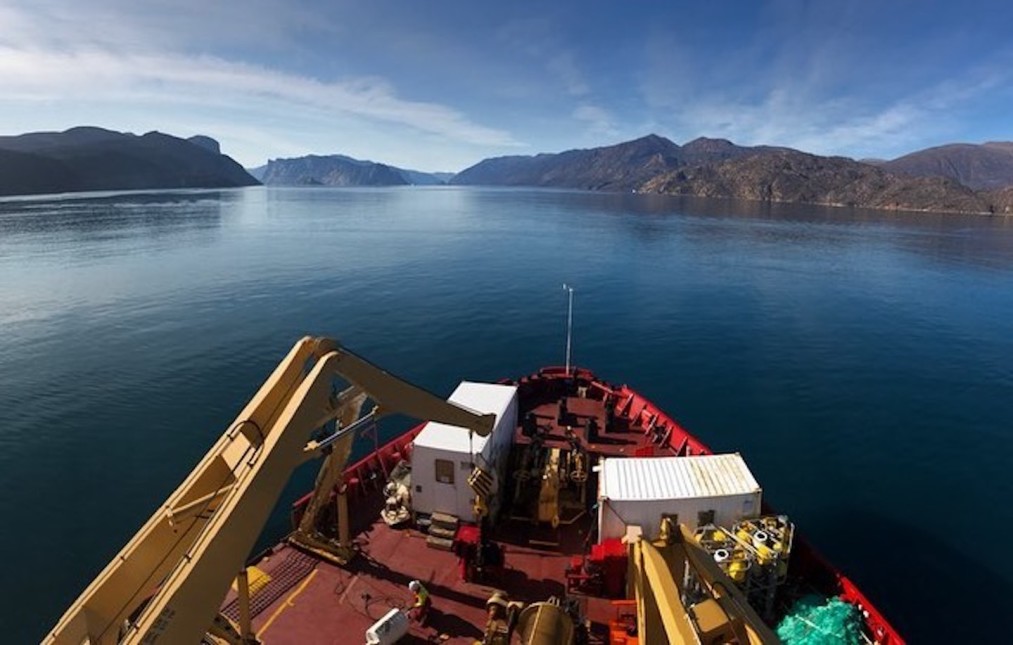
›The Arctic is believed to be a pristine environment, far removed from littered city streets and toxic industrial emissions. I study human pollution and I found it hard to believe that my fellow researchers and I would find so much litter out here. It was even harder to believe that what we uncovered closely resembled the contents of my own closet, over 3,000 kilometers (2,000 miles) away in Toronto. -
The Biden Administration’s Whole of Government Approach to Climate Security
›
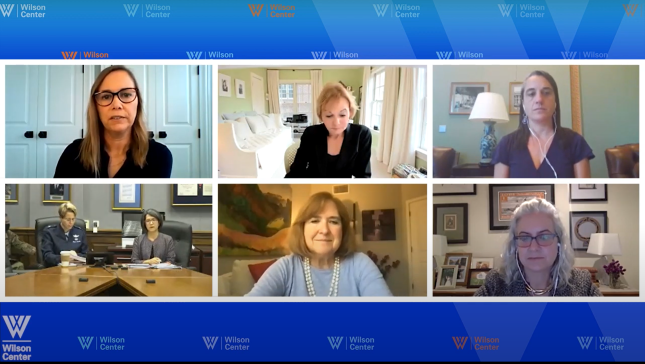
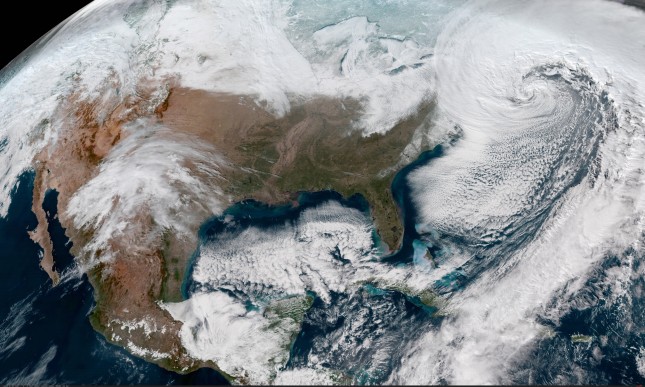
“Climate change is an increasingly destabilizing force—an accelerating destabilization force—and it’s impacting our operational environment, it’s creating new missions, and our allies and partners are going to be called to respond to these increased demands,” said Brigadier General Rebecca Sonkiss, Deputy Director for Counter Threats and International Cooperation at the Joint Staff J5, at a recent event hosted by the Wilson Center and the Center for Climate and Security. At the event, senior U.S. Government officials reflected on the significance of the Biden administration’s new climate security reports and how climate security is being prioritized and coordinated across defense and development, providing insight into the administration’s whole-of-government approach.
-
Security Implications of Asia Pacific States’ Restrictions on Internal Migration
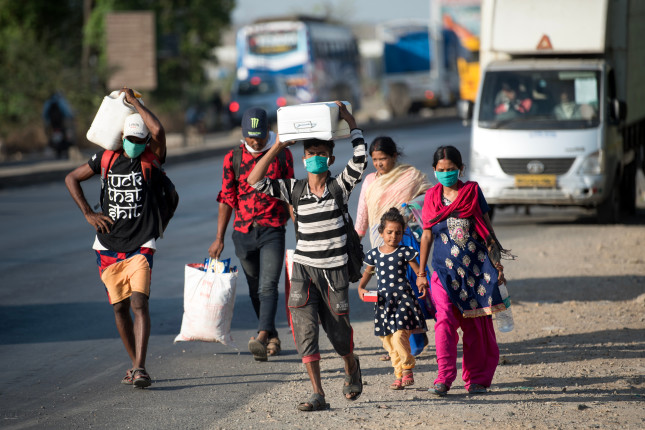
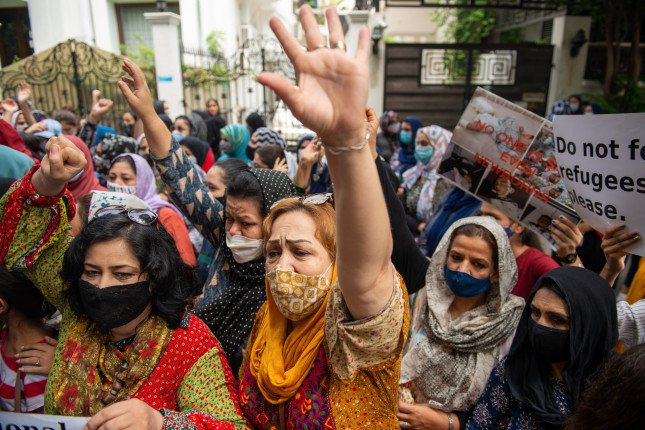
›As the COVID-19 pandemic reached all corners of the world, countries rapidly introduced a series of containment policies to stop its spread, including school and workplace closures, restrictions on gathering size, and limits to population movement. In contrast to complete or partial border closures for foreign nationals, restrictions on population movements within one’s country have received much less attention, despite the fact that most countries introduced restrictions on internal migration during the pandemic in the form of bans on inter- or intra-provincial travel, or partial or complete lockdowns. With over 300 million internal migrants in India and 261 million in China (out of an estimated 760 million internal migrants worldwide), these barriers to mobility are particularly acute in Asia. But are they effective?
-
To Fight Climate Change and Insecurity in West Africa, Start with Democracy
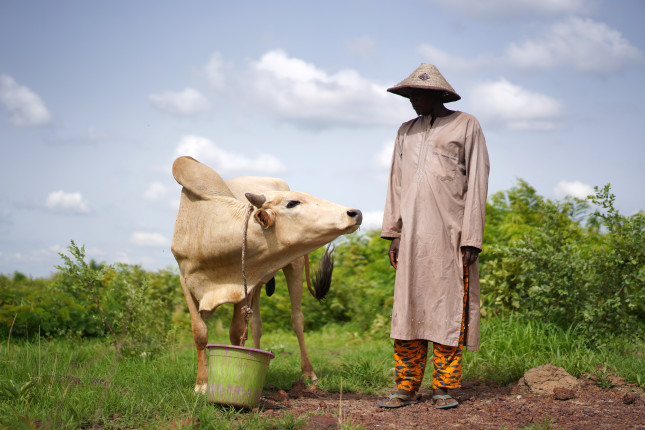
›Secretary of State Blinken is right to focus on climate change and democracy during his first trip to sub-Saharan Africa. At the top of his and everyone else’s mind should be the question: will democratic backsliding in countries like Benin make it more difficult to deal with the effects of climate change? Even more worrisome: will it worsen conflict hotspots, such as the West African Sahel, where climate change is playing a role? All eyes should be on coastal West Africa as countries such as Benin deal with violent insecurity and climate pressure creeping down from the Sahel. My ongoing research in Benin suggests that the country’s democratic local institutions, despite all their faults, are the country’s best defense against the breakdown in rural governance that has befallen Mali and neighboring Burkina Faso.
-
Climate Change and Farmers-Herders Conflict in Nigeria
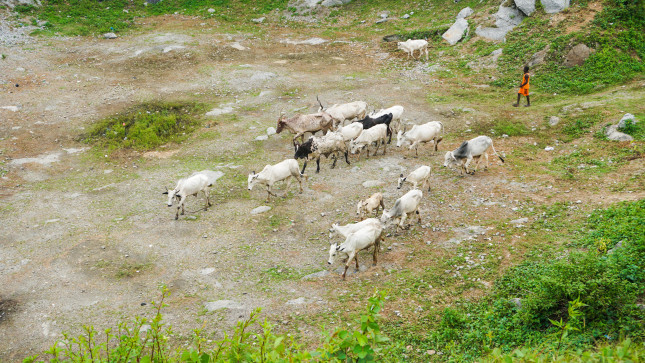
›International attention often focuses on ethnic conflict in the Niger Delta and religious conflict in Northern Nigeria, leaving farmer-herdsmen overlooked. In Nigeria, the conflict between farmers and herders has posed severe security challenges and has claimed far more lives than the Boko Haram insurgency. The conflict has threatened the country’s security, undermined national stability and unity, killed and displaced hundreds of thousands of people, and increased ethnic, regional, and religious polarization.
-
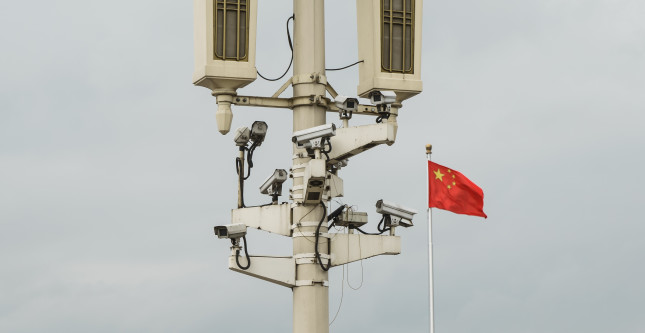
Today’s Top Global Scenarios Share Similarities and Noteworthy Differences, Including Beijing’s Role
›Guest Contributor // November 9, 2021 // By Steven Gale, Ana Fernandes, Krystel Montpetit & Alanna MarkleThis past March, the U.S. National Intelligence Council (NIC) offered five scenarios for global development in 2040. Two months later, the OECD released three scenarios for the future of global cooperation in 2035. Curious development professionals and others who like to peer into the future are no doubt asking: How does each organization see the future? Are the scenarios similar, different, closely aligned or wildly divergent?
-
‘Women’s Bodies are No One’s Battlefields’: Preventing War and Conflict-Related Sexual Violence
›“Since time immemorial, rape has been used to control women’s sexuality, labor, and reproduction, to shred the social fabric, to conquer territories and populations, and crush the enemy’s moral and will to resist,” said Under Secretary General Pramila Patten, UN Special Representative on Sexual Violence in Conflict, at an event focused on addressing conflict-related sexual violence (CRSV) organized by The Secretary’s Office for Global Women’s Issues, Search for Common Ground, and the Georgetown Institute for Women, Peace, and Security. In the past two decades, legislative reform, sanctions against perpetrators, and systematic reporting have slowly transformed the climate of impunity surrounding CRSV, said Patten.
-
The Biden-Harris Administration Releases a (Nearly) Whole-of-Government Response to Climate Security
›October 29, 2021 // By Lauren Herzer RisiLast week, in an unprecedented show of coordination to address the connections between climate change and security, the Biden-Harris Administration released four reports—which taken together, mark significant progress in the effort to center climate change in U.S. national security and foreign policy. The documents—which fulfill key requirements laid out in two Executive Orders issued by President Biden in the early days of his administration—describe how climate change will increasingly heighten instability and influence the United States’ strategic interests, including shaping competition with other great powers—most significantly, China.
Showing posts from category security.