-
Unpacking the Impact of the Fifth National Climate Assessment
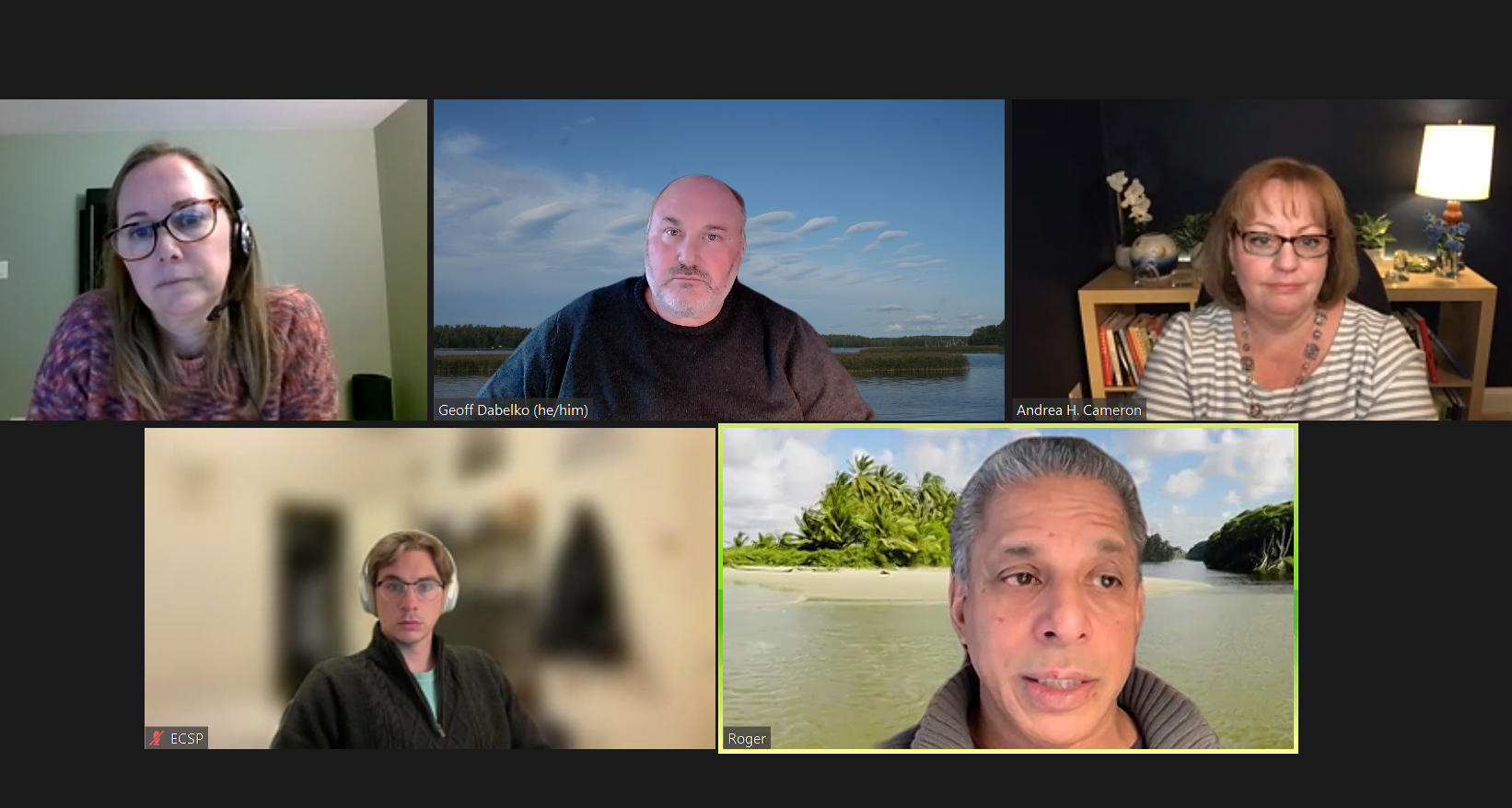
› In today’s episode of New Security Broadcast, ECSP Director Lauren Risi hosts three contributing authors of the international chapter of the recently released fifth National Climate Assessment. Dr. Roger Pulwarty is a Senior Scientist with the Physical Sciences Laboratory at NOAA; Dr. Andrea Cameron is a permanent military professor teaching policy analysis at the US Naval War College; and Dr. Geoff Dabelko is a Professor and Associate Dean with the Voinovich School of Leadership and Public Affairs at Ohio University and a senior advisor to ECSP. In the conversation, the authors discuss the implications of climate change for national and international security, and they delve into the international chapter and its significance for policymakers in the US and abroad.
 -
New Global Health & Gender Policy Brief: Women and Girls in Wartime
›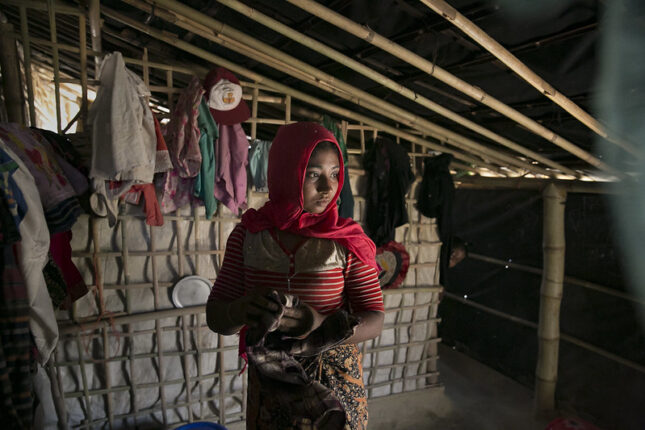
Throughout history, women have played crucial leadership roles during wartime, even if their contributions were not always well-documented or recognized. In times of conflict, societal norms sometimes shift, allowing women to step into positions of authority that might have been traditionally reserved for men. Despite indisputable evidence of women’s leadership and bravery during conflict, however, women continue to be construed as “victims” and “passive actors”—rather than the political agents, leaders, soldiers, and visionaries that they are.
-
Green Corruption: Dissecting a Recent Wilson Center Event
›In today’s episode of New Security Broadcast, ECSP’s Angus Soderberg breaks down a recent Wilson Center event against the backdrop of the 10th annual Conference of State Parties (COSP) to the UN Convention on Corruption, which is under way in Atlanta this week. On September 19, ECSP and the Wilson Center’s Global Europe Program, in partnership with the U.S. Department of State, the Embassy of the Principality of Liechtenstein, and the Basel Institute on Governance, hosted Combating Green Corruption: Fighting Financial Crime as a Driver of Environmental Degradation. The speakers discuss how corruption fuels wildlife trafficking and other environmental crimes, which finance illicit activities, hamper development, and erode efforts to combat biodiversity loss and climate change across the globe.
-
ECSP Weekly Watch | December 4 — 8
›A window into what we are reading at the Wilson Center’s Environmental Change and Security Program
Possibilities for Peace and Conflict at COP28
October 2023 was the world’s warmest month in history, a fact which underscores the escalation of the climate crisis. It also supports official reports on adaptation and emission gaps which provide pessimistic outlooks for the future of peace in conflict-affected areas.
-
Gaza, Yemen, Syria, Human Rights, and Oil: The Elephants in the COP28 Room
›The annual multilateral Conference of the Parties (COP) has become one of the most important meetings on the global agenda. So the fact that the United Arab Emirates (UAE) will host COP28 starting this week in Dubai—on the coattails of another Arab country, Egypt, hosting COP27 in 2022—is a big deal. Bringing such important international meetings to the Global South is a step forward in decentering and reorienting global climate action.
-
Ecological Threat Report 2023: Same Hotspots, More Risk
›Future projections of social disturbance due to climate change and ecological pressures provide little optimism for peace in conflict-affected areas over the coming decades. Yet, can we identify current hotspots and future areas of conflict risk? The fourth Ecological Threat Report (ETR), produced by the Institute for Economics & Peace, attempts to do so by taking on the monumental task of evaluating the relationship between ecological threats and peace.
The new report documents a world of growing ecological threats and declining social resilience in the states and territories most vulnerable to a changing climate. And by assessing ecological threats, societal resilience, and levels of peacefulness at the state, territorial, subnational, and city levels, the report also finds a strong correlation between ecological threats and levels of peacefulness.
-
ECSP Weekly Watch | November 13 – 17
›A window into what we are reading at the Wilson Center’s Environmental Change and Security Program
A Fifth National Climate Assessment
The US Global Change Research Program launched the fifth National Climate Assessment (NCA) on Monday, November 13. Published once every five years, the NCA is the United States’ leading report on climate change impacts, risks, and responses.
-
Recognizing the International Day for Preventing the Exploitation of the Environment in War and Armed Conflict
›In 2001, the UN General Assembly declared November 6 the International Day for Preventing the Exploitation of the Environment in War and Armed Conflict. In the 22 years since, both the impact of the exploitation of the environment during war—and the centrality of natural resources in establishing peace—have gained greater global recognition.
Showing posts from category security.