-
China’s Coal-to-Gas Plants Trade Urban Air Quality for Higher Carbon Emissions
›Last September, facing a growing public outcry to ease smog, China’s State Council called for the accelerated development of a new energy industry that turns coal into methane gas. Piped to Beijing and other cities, this gas could help cut down on smog by replacing dirtier fuels now used to cook meals, heat homes, and produce electricity. But embracing it involves a major environmental trade-off in overall carbon emissions.
-
The Red Cross’s Peter Maurer on New Challenges for Humanitarian Aid
›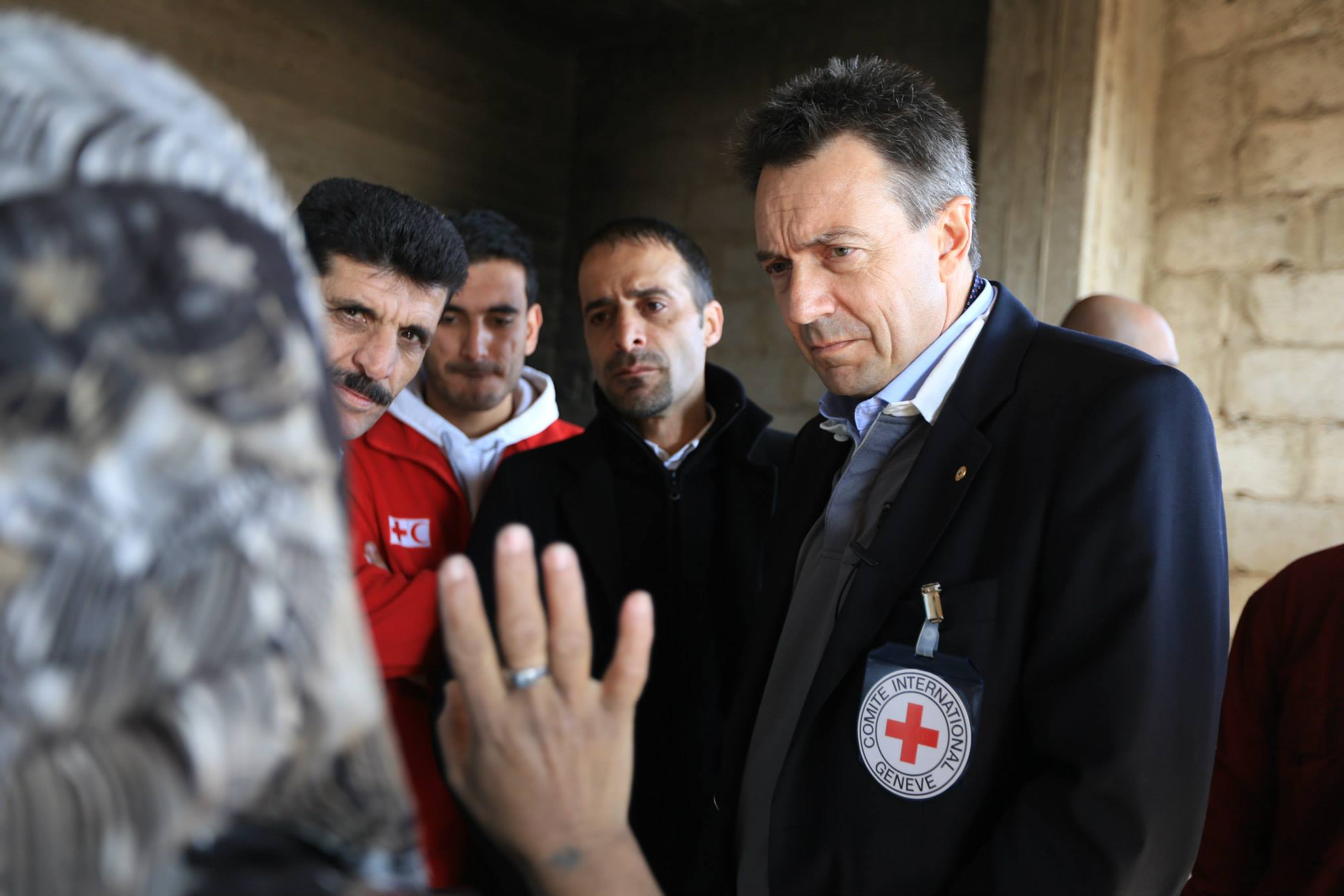
Last year, the International Committee of the Red Cross (ICRC) celebrated 150 years of their mission to “protect the lives and dignity of victims of war and internal violence.” Though this mission hasn’t changed in the past century-and-a-half, the nature of conflict and crisis response has. [Video Below]
-
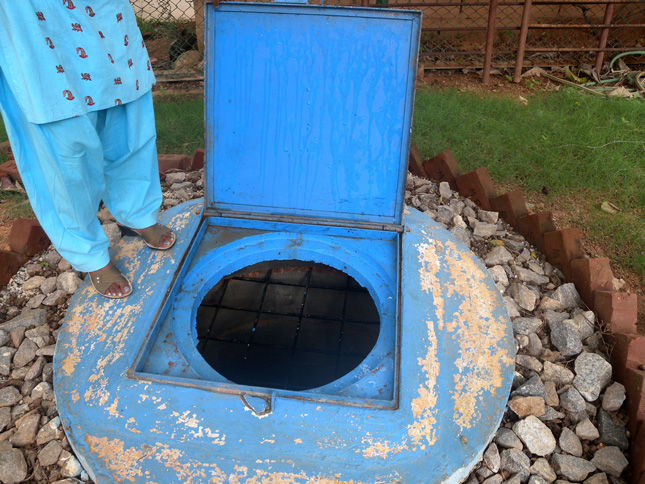
Russell Sticklor, CGIAR
Can Underground Water Storage Mitigate Cross-Basin Tensions?
›May 16, 2014 // By Wilson Center Staff
As the earth’s surface grows hotter and precipitation becomes more variable due to the impacts of climate change, the world is in need of solutions to more effectively store water supplies. One potential solution is deceptively simple: store water in aquifers below the ground.
-
New Report From Military Leaders Calls Climate Change “Catalyst for Conflict”
›Military leaders should be very concerned about climate change – that’s the message of a new report released this week by the CNA Corporation’s Military Advisory Board.
-
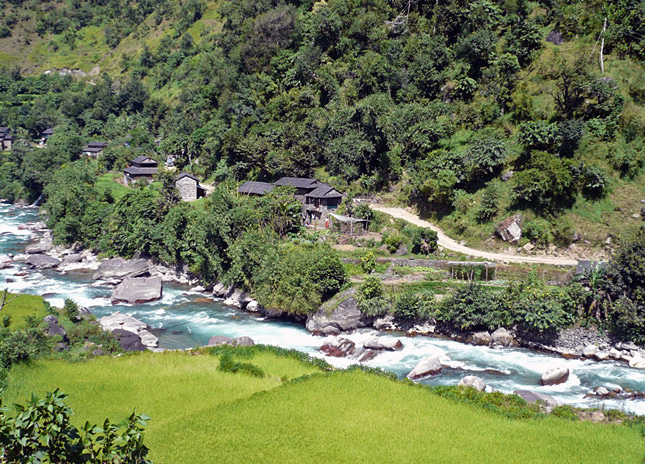
Nepal’s Micro-Hydropower Projects Have Surprising Effect on Peace Process
›The Intergovernmental Panel on Climate Change’s fifth assessment, which has been rolling out in stages since last September, confirms a crucial divide in current climate thinking: efforts to adapt and mitigate to climate change are often considered separately from the vulnerability of people.
-
Time to Get Creative: Cold War Lessons for Climate Negotiators
›You might wonder what the Cold War has to do with climate change, but as I listened last month to historian James Graham Wilson talk about the “triumph of improvisation” that ended the nearly 50-year stare-down between the United States and the U.S.S.R., I was struck by the parallels. The idea of individual leaders escaping the momentum of conventional approaches and adapting on the fly to solve a major global issue deeply resonated with me. It’s exactly what international climate change negotiations desperately need.
-
Oil in South Sudan: Turning Crisis Into Opportunity
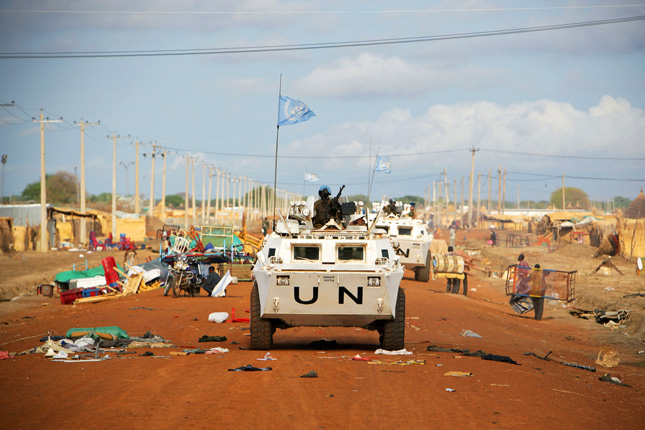
›Outside of donor and humanitarian aid, South Sudan’s economy is almost entirely dependent on the oil sector – and that sector is in crisis.
-
Roger-Mark De Souza: Integrated Development Shows Health, Population Dynamics Crucial for Resilience
›
Resilience means different things to different people. For many in the international development and humanitarian communities, building resilience means responding to growing climate risks through disaster mitigation and planning. But for people like Birhani Fakadi, a 39-year old mother of 11 in rural Ethiopia, it also means access to reproductive health and family planning services, says ECSP’s Roger-Mark De Souza in this week’s podcast.
Showing posts from category security.