-
World Water Day Focuses on Cooperation in the Face of Growing Stress
›March 22, 2013 // By Schuyler Null
Cooperation, not conflict; that’s the theme of this year’s World Water Day. Collaboration over water has been the rule rather than the exception over the past 70 years, UNESCO explained in the launch of their International Year for Water Cooperation initiative earlier this year (which the rest of the UN is thoughtfully supporting).
But the fact that there’s need for such an initiative shows that water conflict and other water issues are not far from the minds of global policymakers. Scarcity, drought, climate change, food security, disease – water impacts people and their governments in so many ways. Here’s a rundown of some of our best related posts.
-
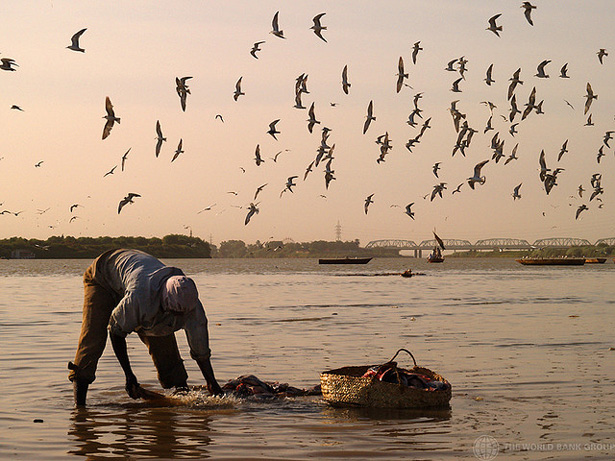
Imelda Abano on the Challenges of Reporting on Population and the Environment in the Philippines
›
In this podcast, Imelda Abano, who writes for Eco-Business in the Philippines, discusses her experiences reporting on population and environmental issues.
“It’s a very tough job for us to be reporting on these issues, but we have the responsibility to raise awareness…and we have to push for government action,” Abano says.
-
Kaja Jurczynska, Population Action International
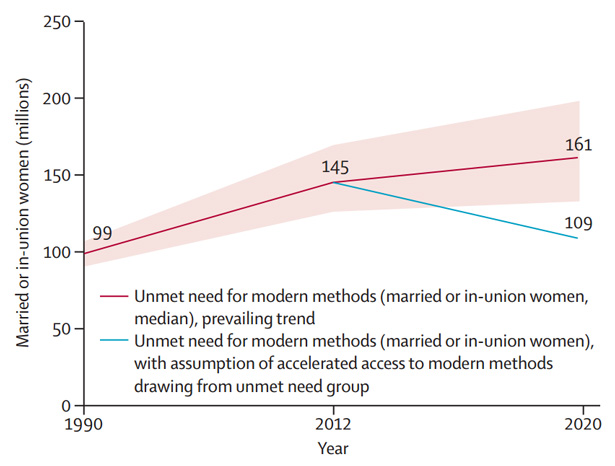
222 Million vs. 233 Million: Measuring Global Unmet Need for Contraception
›March 21, 2013 // By Wilson Center StaffLast week, a new study out of The Lancet projected that in 2015, 233 million married or in-union women worldwide will have an unmet need for modern family planning.
-
UNEP Highlights Environmental Impacts on Health in Africa
›March 20, 2013 // By Carolyn LamereWhile it can be convenient to think of human health and the environment as unrelated silos, they are in fact closely related. The United Nations Environment Program (UNEP) recently released a report underscoring this point especially for Africa, where large numbers of people are directly reliant on natural resources for their livelihoods.
-
Urban Health and Demography Trends: More Cities, More Problems?
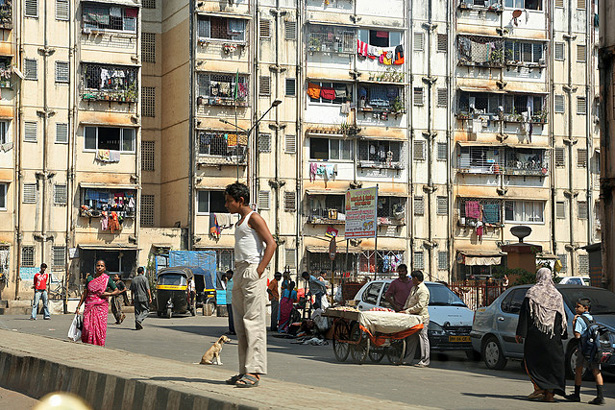
›Some 52 percent of the world’s population lives in cities, a proportion that will only grow throughout the next few decades. Understanding the health challenges facing urban residents is crucial for those who seek to improve human health, especially since many of these challenges differ from those facing inhabitants of rural areas, where global health resources have traditionally been concentrated. At a private meeting on March 4 at the Wilson Center, experts described how factors ranging from climate change and greenhouse gas emissions to reproductive health and rights impact urban health.
-
Demographic Dividend and the Rise of the Global South
›The Global South is “radically reshaping the world of the 21st century, with developing nations driving economic growth, lifting hundreds of millions of people from poverty, and propelling billions more into a new global middle class,” says the United Nations Development Program’s (UNDP) 2013 Human Development Report, released yesterday. “More than 40 developing countries have made greater human development gains in recent decades than would have been predicted.”
-
‘Global Trends 2030’ Author Mathew Burrows Describes Demographic and Environmental Megatrends
›“The world of 2030 will be radically transformed from our world today,” reads the opening of Global Trends 2030: Alternative Worlds, produced by the National Intelligence Council. In this podcast, principal author Mathew Burrows breaks down some of the scenarios discussed in the report, and describes how demographic and environmental trends – two of four “megatrends” – could play out over the next few decades.
-
The Demographic Dividend in Lower-Income Countries and Global Reproductive Rights Laws
›Many of the fastest growing countries in the world today are also the poorest. A recent bulletin from the National Transfer Accounts Project, “Lower Income Countries and the Demographic Dividend,” examines what it takes for lower-income countries to experience a demographic dividend and the economic growth associated with that period. Achieving the demographic dividend is dependent on a country achieving low fertility rates, which, when coming from a period of high growth, temporarily increases the ratio of the working-age population to dependents, like children and the elderly. For lower-income countries to do this, the report recommends that policymakers invest in healthcare and education programs and focus on boosting the labor force participation rate. Looking forward, the report advises that it is not too early for lower-income countries to begin developing social security and pension programs to support the latter stages of the demographic transition too.
Showing posts from category population.