-
What Rights? New York Times’ Discussion of Egypt’s Population Policy Incomplete
›
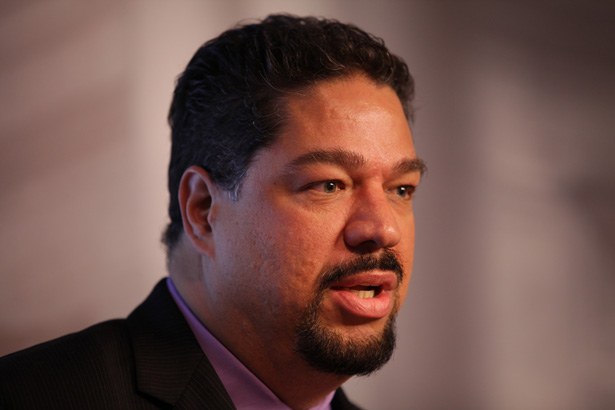
The New York Times had a front-page story on Egypt’s population policy last week; unfortunately it wasn’t a sterling example of how to report on this tricky issue and left out a key part of the story – the important role of family planning in ensuring human rights, especially for women.
-
What Does It Take to Cooperate? Transboundary Water Management Around the World
›
Water is the foundation of human society and will become even more critical as population growth, development, and climate change put pressure on already-shrinking water resources in the years ahead. But will this scarcity fuel conflict between countries with shared waters, as some have predicted, or will it create more impetus for cooperation?
-
Lessons From Kenya and Malawi on Combining Climate Change, Development, and Population Policy
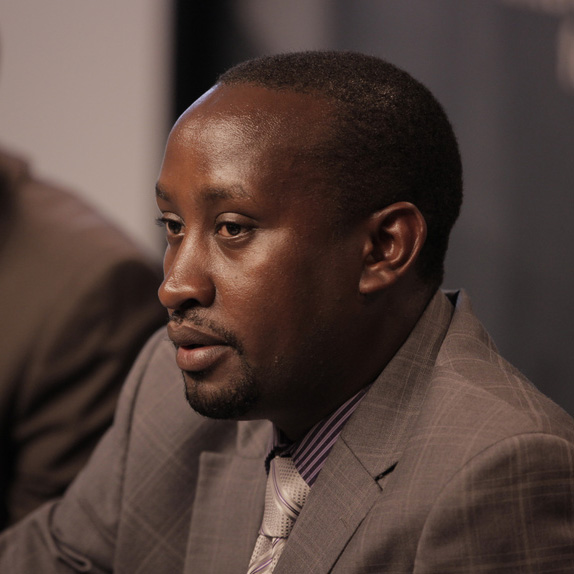
›“The combined effects of rapid population growth and climate change are increasing food insecurity, environmental degradation, and poverty levels in Malawi and Kenya,” said Clive Mutunga, a senior research associate at Population Action International (PAI).
-
Carl Haub, Demographics Revealed
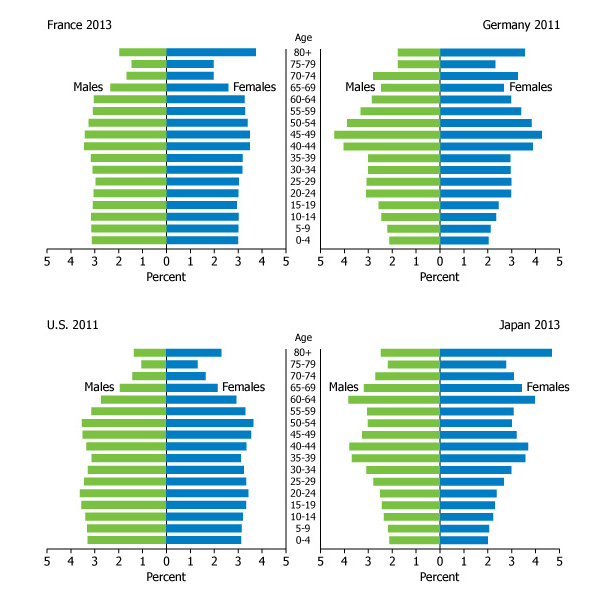
A Tale of Four Pyramids
›April 30, 2013 // By Wilson Center StaffThe original version of this article, by Carl Haub, appeared on Demographics Revealed.
There has been quite a bit made in the media and in blogs about low birth rates in industrialized countries. Quite correctly, many people (and countries!) are concerned that unprecedented aging and a dearth of younger people are leading to serious pressure on national budgets from a rising burden of support for the elderly because of a declining group of tax-paying workers. But the situation is far from equal everywhere, and less is written about that.
-
Band of Conflict: What Role Do Demographics, Climate Change, and Natural Resources Play in the Sahel?
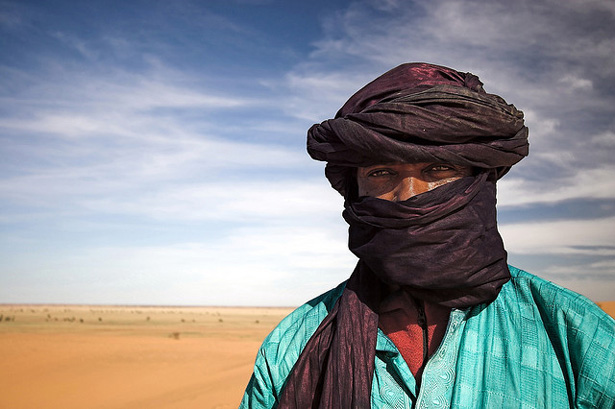
›Stretching across northern Africa, the Sahel is a semi-arid region of more than a million square miles covering parts of nine countries. It is home to one of the world’s most punishing climates; vast expanses of uncharted and unmonitored desert; busy migration corridors that host human, drug, and arms trafficking; governments that are often ineffective and corrupt; and crushing poverty. It is not surprising then that the area has experienced a long history of unrest, marked by frequent military clashes, overthrown governments, and insurgency.
-
Clive Mutunga: Addressing Population Growth Can Build Resilience to Climate Change in Kenya and Malawi
›“We know that a number of these countries in Africa have the least to do with climate change in terms of emissions, but they are the most vulnerable, and they are the ones with the least capacity to deal with the effects of climate change,” says Clive Mutunga in this week’s podcast. Mutunga, a senior associate at Population Action International, discusses the results of a study PAI conducted looking at the entwined and related impacts of climate change and population growth, as well as other factors like water scarcity, on Kenya and Malawi.
-
Addressing Urban Environmental Health and Maternal Mortality in Developing Countries
›Although climate change is a global phenomenon, developing countries – especially urban centers – are the most vulnerable to the negative health impacts of climate change. In “Urban Governance of Climate Change and Health,” a working paper for the Norwegian Institute for Urban and Regional Research, author Siri Bjerkreim Hellevik reviews the existing literature on governments’ responses to climate change and health in developing urban centers. Overall, Hellevik concludes that there is a substantial need for more research specifically linking the two. She offers several recommendations for urban policymakers to consider, including developing an integrated and multi-level approach, and recognizing that human health and urban development are issues of global justice. -
For Earth Day, A Commitment and An Invitation
›April 22, 2013 // By Roger-Mark De SouzaIt’s spring, it’s Earth Day, and I’m starting a new job. I always enjoy the sense of renewal that spring brings, and this spring brings a unique opportunity for me to reaffirm my commitment to the issues that define our times. As the Wilson Center’s new Director of Population, Environmental Change, and Security, I am excited to build on the success of the Center’s Environmental Change and Security Program and Global Health Initiative to forge new paths and identify ways that reproductive health, environmental conservation, and women’s empowerment affect our lives today and in the future.
Showing posts from category population.