-
Facing the Future: Empowering Youth to Protect Their Health and Environment in Ghana and the Philippines
›
In the Philippines, there are health and development programs that specifically target children, senior citizens, and adults, said Joan Castro, but adolescents are underserved. Nineteen percent of the population is between the ages of 15 and 19, but “they can’t even go to health centers to get the family planning commodities [they desire],” she said. [Video Below]
-
Surprises Ahead? Population-Environment Dynamics and Tipping Points
›May 21, 2013 // By Laurie Mazur
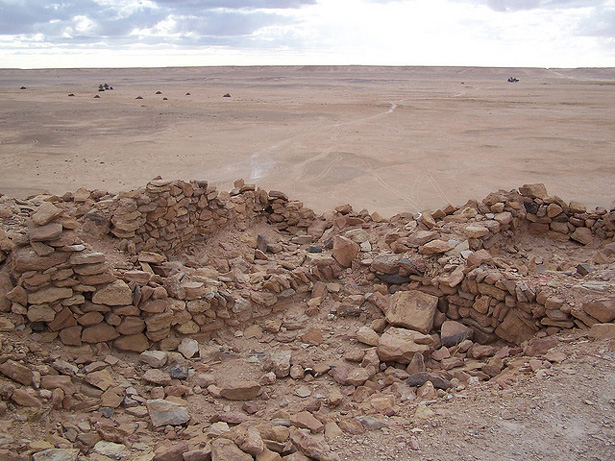
Today, the Sahara Desert is a vast, nearly lifeless expanse of sand and rock. But ancient cave paintings tell of a time when it was fertile grassland and bands of human hunters chased aurochs and antelope.
-
Leslie Mwinnyaa: Young People Drive Integrated Development in Ghana’s Ellembelle District
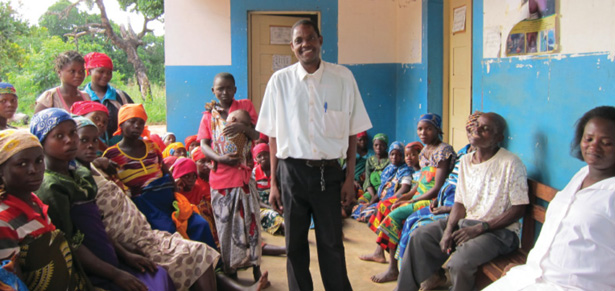
›“I have been amazed and inspired by the youth that I’ve worked with, with their dedication and motivation to help their countrymen and to try to make their communities better places,” says Leslie Mwinnyaa in this week’s podcast.
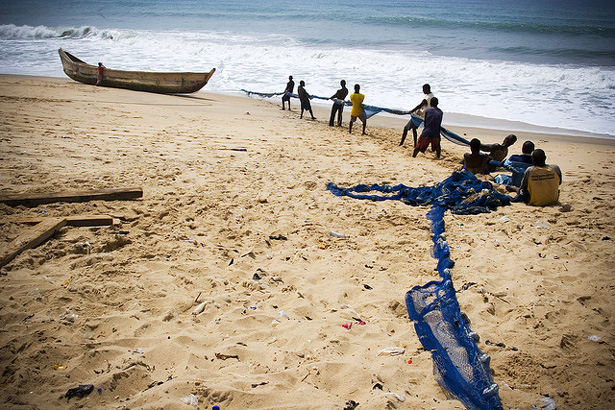
When Mwinnyaa arrived in the Ellembelle district of coastal Ghana as a Peace Corps volunteer she found a multitude of development challenges. Fishermen routinely use illegal techniques like chemicals, lights, and dynamite that decimate fish stocks; “sand winning” and mangrove clearing increases erosion, leaving communities vulnerable to flooding and reducing breeding grounds for local fish; poor waste and refuse management contributes to disease and poor health; and teenage girls have twice the national rate of pregnancy.
-
Backdraft: The Conflict Potential of Climate Change Adaptation and Mitigation (ECSP Report 14)
›Amid the growing number of reports warning that climate change could threaten national security, another potentially dangerous – but counterintuitive – dimension has been largely ignored. Could efforts to reduce our carbon footprint and lower our vulnerability to climate change inadvertently exacerbate existing conflicts – or create new ones?
-
Combining Health and Food Security in Mozambique: Interview With Pathfinder International’s SCIP Project
›Pathfinder International’s Strengthening Communities Through Integrated Programming (SCIP) is part of a new push towards integrated development – looking at communities as a whole and addressing multiple, traditionally-siloed sectors at once. SCIP integrates both its activities and its funding to great effect in Mozambique.
-
Protecting Parks, Empowering People: Innovative Conservation and Development Projects in Mozambique and Zambia
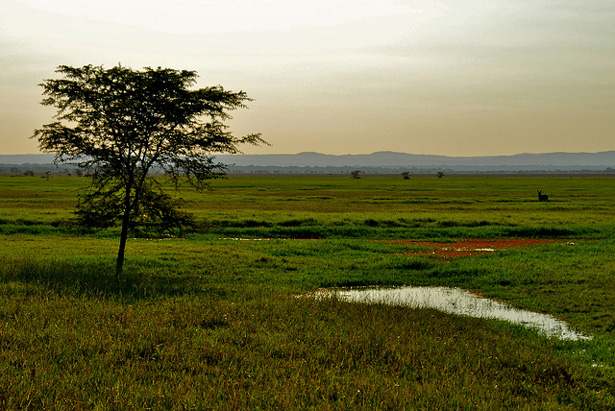
›Wildlife areas and parks are designed to preserve plant and animal life in biological hotspots, but what about the people who live nearby these hotspots? In many parts of East Africa, communities press right up against park boundaries and people have few alternatives but to draw on the natural resources of protected areas. Conservation efforts depend on these communities’ cooperation and the sustainability – both environmentally and economically – of their livelihoods. [Video Below]
-
Matthew Berger, The Interdependent
A Global Thirst for Water Security
›May 10, 2013 // By Wilson Center StaffThe original version of this article, by Matthew Berger, appeared on The Interdependent.
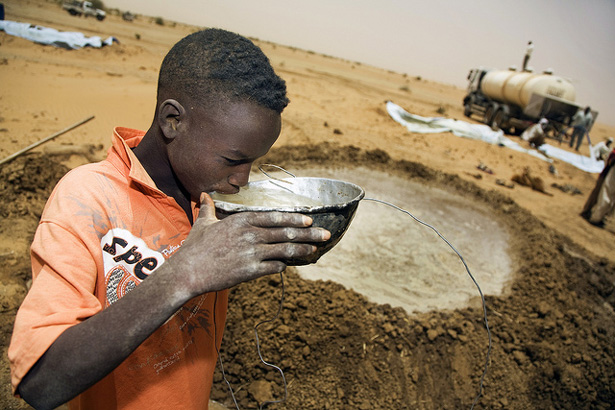
Last summer, after walking for days to a refugee camp across the South Sudan border, some Sudanese refugees reportedly chose to dig holes to reach muddy water rather than face the fist-fights breaking out around a failing tap. Boreholes dug by aid agencies collapsed in the crumbling soil. Even the coming rainy season brought more challenges than relief, washing out roads used by water tanker trucks and threatening the camp with flooding.
-
Putting Mali Back Together Again: An Age-Structural Perspective
›May 9, 2013 // By Richard CincottaOnce considered a model for Sahelian democracy, Mali’s liberal regime (assessed as “free” in Freedom House’s annual survey of democratic governance continuously from 2000 to 2011) virtually disintegrated in March 2012 when a group of junior army officers, frustrated by the central government’s half-hearted response to a rebellion in the state’s vast northern tier, found themselves – somewhat accidently – in control of the state.
Showing posts from category population.