-
Reproductive Health Organizations Embrace Cross-Sectoral Partnerships in Africa
›
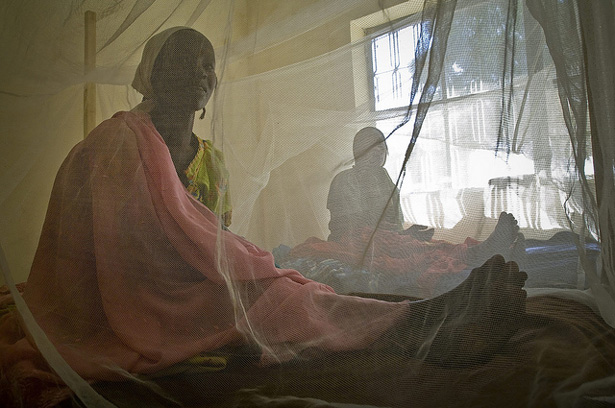
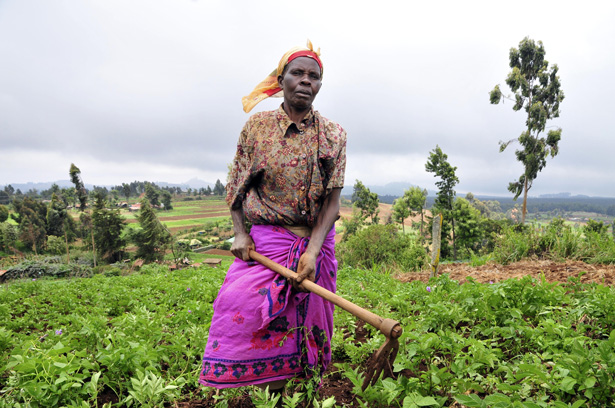
“The places in the world where the environment is most fragile, women’s health is most fragile,” said Leila Darabi, director of global communications for the Planned Parenthood Federation of America, at the Wilson Center. “The negative impacts on the environment tend to affect women the most. Women are the people who are planting kitchen gardens, women are traditional healers, and so they often feel the impact first when those things are degraded.”
-
Mike Ives, Yale Environment 360
Vietnam’s Rice Boom Has Steep Environmental Costs for Mekong Delta
›July 17, 2013 // By Wilson Center Staff
The original version of this article, by Mike Ives, appeared on Yale Environment 360.
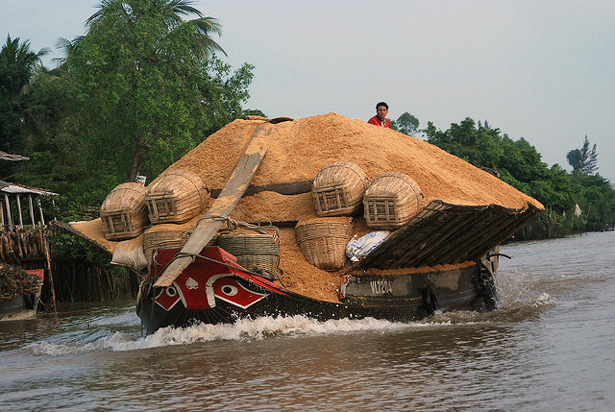
Phan Dinh Duc leans against yellow sacks of freshly harvested rice. It’s a warm spring evening in Vietnam’s Mekong Delta, and Duc, a local farmer, is waiting for traders to arrive by truck to purchase his produce and sell it on commodities markets. Beyond him lies a vast checkerboard of rice paddies, each filled with water and bordered by a network of canals and roughly 10-foot-high earthen dikes. They enable year-round rice cultivation in an area where, a half century ago, vast floodplains typically lay fallow for half the year and farmers planted one annual rice crop that grew in tandem with seasonal floods.
-
On World Population Day, ICPD Conference Reminds Us of Population’s Role in Development
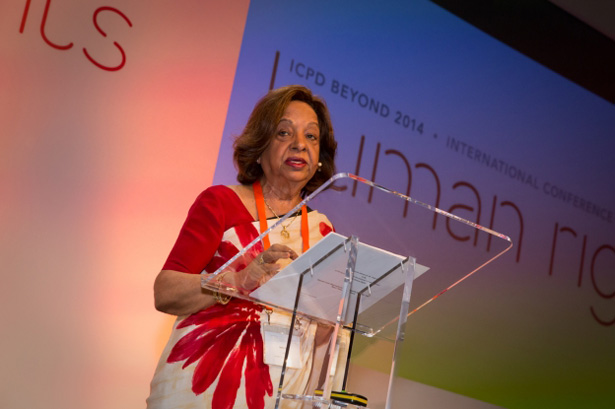
›July 11, 2013 // By Roger-Mark De Souza“The development agenda is discretionary and the human rights agenda is obligatory,” said Kitty van der Heijden, the ambassador for sustainable development in the Dutch Ministry of Foreign Affairs, on the final day of the ICPD International Conference on Human Rights here in the Netherlands.
-
It’s Not (Just) About the Numbers: Resource Media’s Population-Environment Webinar
›“Unless something changes in a major way, Nigeria will pass the United States as the third most populous country by mid-century and rival China with its number of people by the end of the century,” said Ken Weiss in his introduction to a recent webinar hosted by Resource Media. But what does population growth have to do with the environment?
-
Harmony in the Forest: Improving Lives and the Environment in Southeast Asia
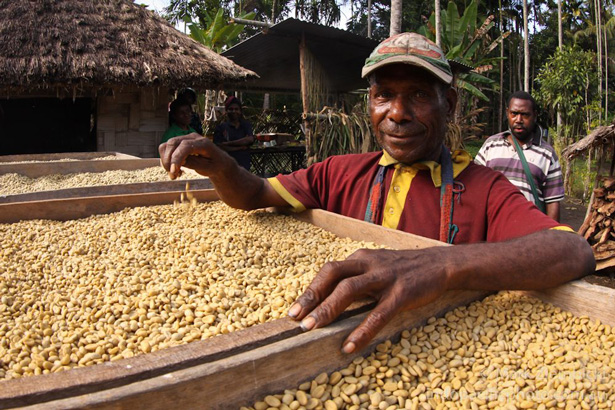
›How can NGOs and civil society promote environmental protection and improve people’s health and livelihoods in remote tropical forests? Two NGOs with innovative programs in Indonesia and Papua New Guinea spoke at the Wilson Center on May 30 about their efforts to simultaneously tackle these issues and highlight their intricate relationship.
-
Poor Quality of Care Chills Progress in Improving Safe Delivery for Mothers
›“Today we have a golden opportunity to use respectful maternal care to break new ground at the intersection of health and human rights,” said Lynn Freedman, director of the Averting Maternal Death and Disability Program and professor of clinical population and family health at Columbia University, at the Wilson Center.
-
New UN Population Projections Released: Pockets of High Fertility Drive Overall Increase
›June 26, 2013 // By Elizabeth Leahy MadsenOctober 31, 2011, was notable not only for the annual ritual of candy and costumes, but also for its designation by the United Nations as the date when global population reached seven billion. Although just an estimate – demographers are not able to count individuals in real time on such a large scale – the event was an important opportunity to present population trends to the media and public dialogue. Several babies born that day were named the “seven billionth;” in Russia, where various incentives have been implemented to try to boost an ultra-low fertility rate, Vladimir Putin visited a maternity ward to greet one of them.
-
The Farmer’s Dilemma: Climate Change, Food Security, and Human Mobility
›“Most of the world’s poor are farmers; they share the same profession and the same challenges,” said One Acre Fund’s Stephanie Hanson at a recent Wilson Center event on small-scale farming, climate change, food security, and migration. They are tasked with growing enough food to support their families with only tenuous access to land and natural resources, the most basic of tools, and increasingly unpredictable weather patterns to deal with. [Video Below]
Showing posts from category population.