• woodrow wilson center
  • ecsp

New Security Beat

Subscribe:
  • rss
  • mail-to
  • Who We Are
  • Topics
    • Population
    • Environment
    • Security
    • Health
    • Development
  • Columns
    • China Environment Forum
    • Choke Point
    • Dot-Mom
    • Friday Podcasts
    • Navigating the Poles
    • Reading Radar
  • Multimedia
    • Water Stories (Podcast Series)
    • Backdraft (Podcast Series)
    • Tracking the Energy Titans (Interactive)
  • Films
    • Water, Conflict, and Peacebuilding (Animated Short)
    • Paving the Way (Ethiopia)
    • Broken Landscape (India)
    • Scaling the Mountain (Nepal)
    • Healthy People, Healthy Environment (Tanzania)
  • Publications
  • Events
  • Contact Us

NewSecurityBeat

The blog of the Wilson Center's Environmental Change and Security Program
Showing posts from category population.
  • Among Climate Threats, Military Leaders See Population Growth, Natural Resources as Key Factors

    ›
    May 22, 2014  //  By Kathleen Mogelgaard
    CNA_MAB_population

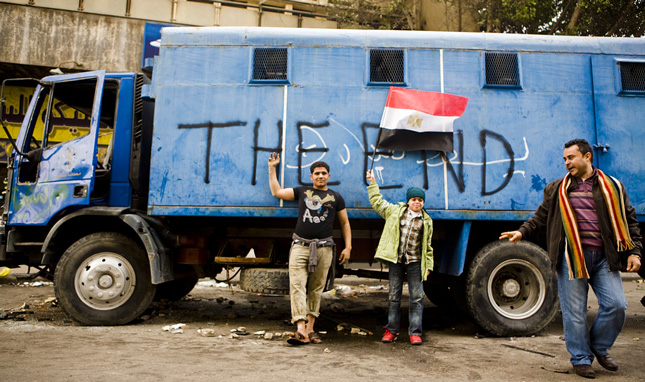
    In 2007, an influential analysis by 11 retired generals and admirals characterized climate change as a “threat multiplier” that could aggravate the conditions for conflict. Last week, in a follow-up report launched at the Wilson Center, members of the CNA Corporation’s Military Advisory Board framed climate change as a more direct and immediate risk, calling it a “catalyst for conflict.”

    MORE
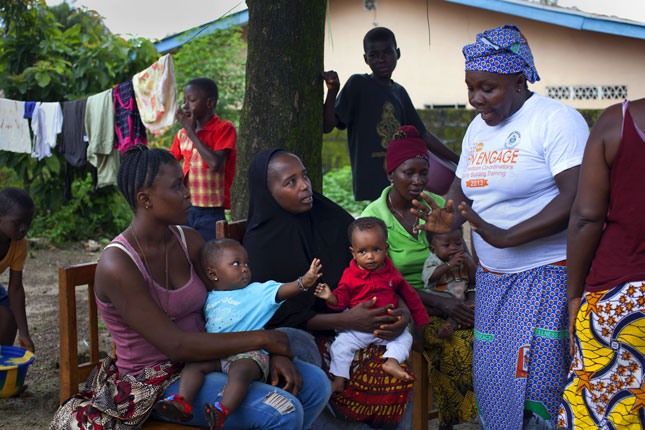
  • To Build Resilience Through Development, Learn From Population, Health, and Environment Programs

    ›
    May 19, 2014  //  By Laurie Mazur
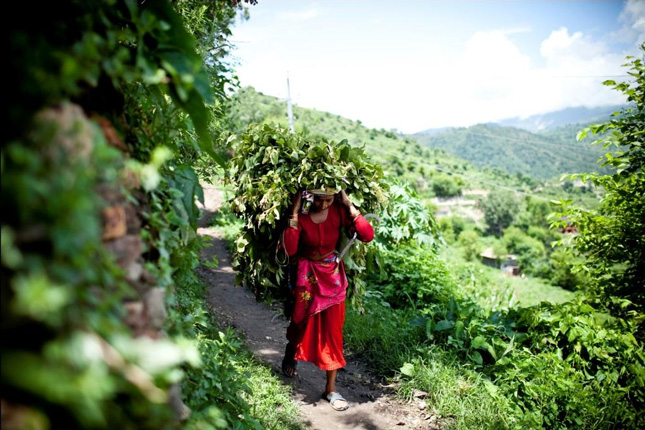
    Scaling-Mountain_girl

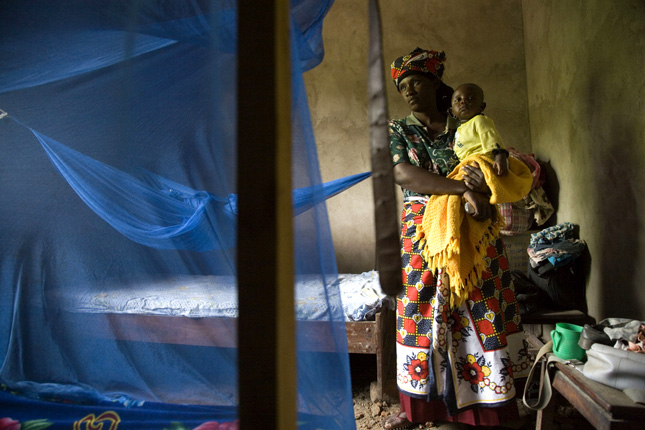
    In an era defined by climate change and other disruptions, “resilience” – the capacity to survive and thrive in times of crisis and change – is increasingly essential.

    MORE
  • The Future of Population Funding in the U.S.: Mixed Prospects for Foundation Support

    ›
    May 12, 2014  //  By Laurie Mazur
    Funding_small

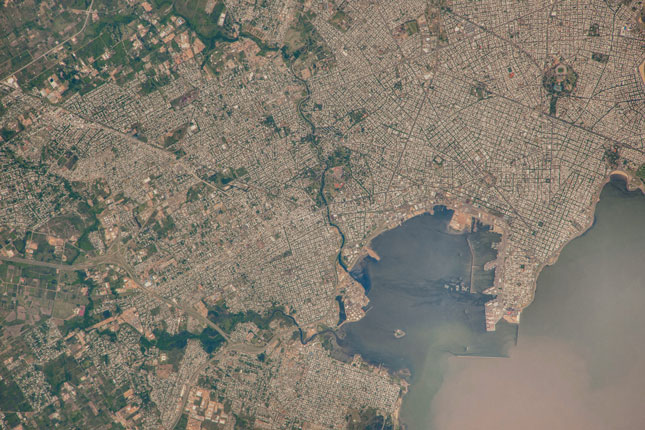
    World population continues its steady climb, surpassing 7 billion in 2011 and heading to somewhere between 8 and 11 billion by midcentury. But funding to address population-related issues is moving in the opposite direction.

    MORE
  • Make It Count: Evaluating Population, Health, and Environment Development Programs

    ›
    From the Wilson Center  //  May 8, 2014  //  By Benjamin Dills
    Mohan_PHE_eval

    Evaluation is the lifeblood of any development effort – it’s how implementers know if they’re making a difference, determine what to do more or less of, and enables funders to evaluate cost-effectiveness. But it’s also an inexact science, no more so than when it comes to complex interventions that cut across sectors. [Video Below]

    MORE
  • Surf and Turf: The Environmental Impacts of China’s Growing Appetite for Pork and Seafood

    ›
    China Environment Forum  //  May 7, 2014  //  By Susan Chan Shifflett
    China_butcher

    Half the world’s pigs – 476 million – reside in China. Increasingly prosperous consumers are eating fewer grains and demanding a more protein-rich diet, ballooning the pork industry to 15 times its 1960s-era size. In the last 30 years, Chinese demand for meat has quadrupled and China is now the largest consumer of seafood in the world.

    MORE
  • Kathleen Mogelgaard, Aspen Institute

    Hungry, Hot, and Crowded: The Importance of Multi-Dimensional Strategies for Resilience

    ›
    May 6, 2014  //  By Wilson Center Staff

    The original version of this article, by Kathleen Mogelgaard, appeared on the Aspen Idea Blog.

    In a world faced with rising temperatures, increasingly severe droughts and floods, and a rapidly growing population, how can people adapt to this new way of life – and even thrive? Leading experts discussed this question in-depth during an Aspen Institute Global Health and Development Program event titled, “Building Resiliency: The Importance of Food Security and Population.” The panel took place as part of the Civil Society Policy Forum at the 2014 IMF/World Bank Spring Meetings in Washington, DC.

    MORE
  • Roger-Mark De Souza: Integrated Development Shows Health, Population Dynamics Crucial for Resilience

    ›
    Friday Podcasts  //  May 2, 2014  //  By Moses Jackson
    R-M-GMU

    Resilience means different things to different people. For many in the international development and humanitarian communities, building resilience means responding to growing climate risks through disaster mitigation and planning. But for people like Birhani Fakadi, a 39-year old mother of 11 in rural Ethiopia, it also means access to reproductive health and family planning services, says ECSP’s Roger-Mark De Souza in this week’s podcast.

    MORE
  • State of Population-Climate Change Research

    ›
    Reading Radar  //  May 1, 2014  //  By Paris Achenbach

    pop_env_journalWhat is the future of population and climate change research, and how can this research impact international policy? In a special issue of Population and Environment, environmental and social scientists look at these questions. “One of the most exciting developments in the climate change research community at present is the development of a new generation of climate scenarios,” write Adrian C. Hayes and Susana B. Adamo in the introduction. These can help facilitate more interdisciplinary research.

    MORE
Newer Posts   Older Posts
View full site

Join the Conversation

  • RSS
  • subscribe
  • facebook
  • G+
  • twitter
  • iTunes
  • podomatic
  • youtube
Tweets by NewSecurityBeat

Trending Stories

  • unfccclogo1
  • Pop at COP: Population and Family Planning at the UN Climate Negotiations

Featured Media

Backdraft Podcast

play Backdraft
Podcasts

More »

What You're Saying

  • Volunteers,At,The,Lagos,Food,Bank,Initiative,Outreach,To,Ikotun, Pan-African Response to COVID-19: New Forms of Environmental Peacebuilding Emerge
    Rashida Salifu: Great piece 👍🏾 Africa as a continent has suffered this unfortunate pandemic.But it has also...
  • A desert road near Kuqa An Unholy Trinity: Xinjiang’s Unhealthy Relationship With Coal, Water, and the Quest for Development
    Ismail: It is more historically accurate to refer to Xinjiang as East Turkistan.
  • shutterstock_1779654803 Leverage COVID-19 Data Collection Networks for Environmental Peacebuilding
    Carsten Pran: Thanks for reading! It will be interesting to see how society adapts to droves of new information in...

What We’re Reading

  • Rising rates of food instability in Latin America threaten women and Venezuelan migrants
  • Treetop sensors help Indonesia eavesdrop on forests to cut logging
  • 'Seat at the table': Women's land rights seen as key to climate fight
  • A Surprise in Africa: Air Pollution Falls as Economies Rise
  • Himalayan glacier disaster highlights climate change risks
More »
  • woodrow
  • ecsp
  • RSS Feed
  • YouTube
  • Twitter
  • Facebook
  • Home
  • Who We Are
  • Publications
  • Events
  • Wilson Center
  • Contact Us
  • Print Friendly Page

© Copyright 2007-2021. Environmental Change and Security Program.

Woodrow Wilson International Center for Scholars. All rights reserved.

Developed by Vico Rock Media

Environmental Change and Security Program

Woodrow Wilson International Center for Scholars

Ronald Reagan Building and International Trade Center

  • One Woodrow Wilson Plaza
  • 1300 Pennsylvania Ave., NW
  • Washington, DC 20004-3027

T 202-691-4000