-
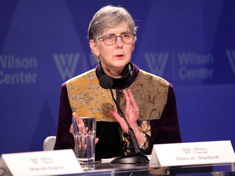
Ellen Starbird: Sexual and Reproductive Health and Rights Undergird Success of SDGs
›
“Advancing reproductive health and family planning can positively influence and advance a number of sustainable development priorities,” says Director of USAID’s Office of Population and Reproductive Health Ellen Starbird in this week’s podcast.
-
Interview With Michael Brown, UN Senior Mediation Expert in Natural Resources and Land Conflicts
›April 8, 2015 // By Linnea Bennett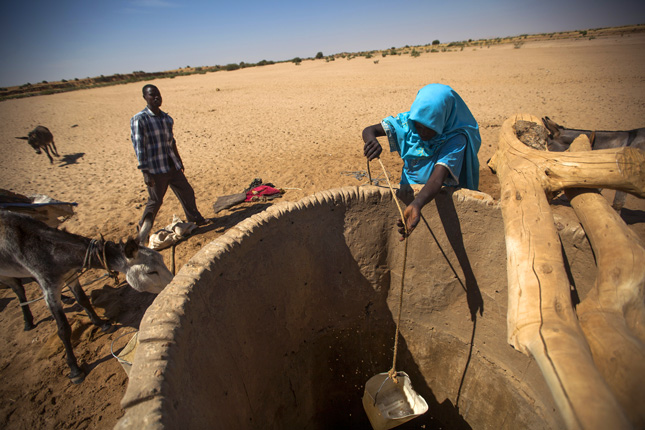
Natural resources rarely feature during peacebuilding efforts, but there is growing evidence that’s a mistake. Unresolved natural resource management issues can make peace more fragile, while addressing them can act as a bridge toward cooperation.
-
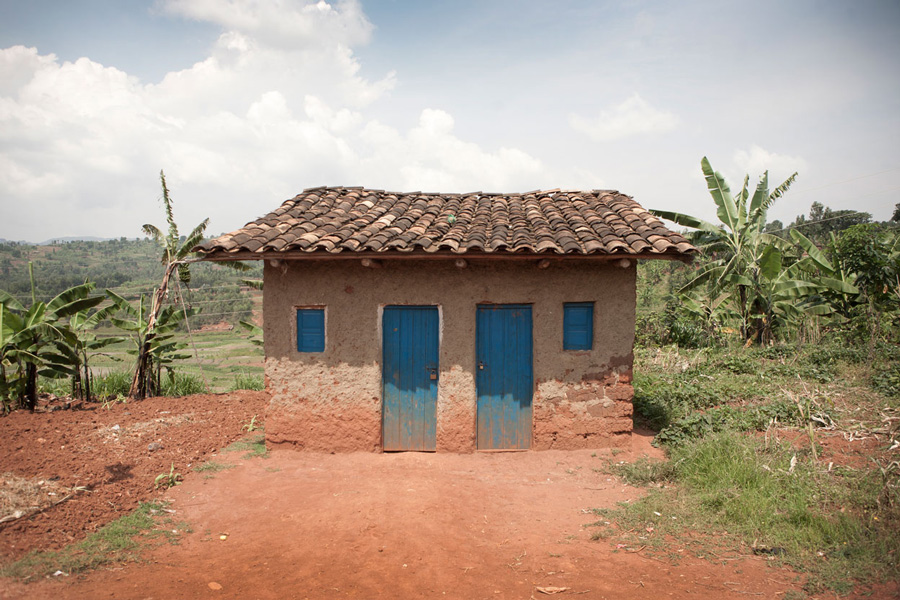
Not Enough to Go Around? Tensions Over Land Threaten to Boil Over in Burundi
›“Alphonse, however, had not come to talk. Without saying a word, he raised a machete and brought it down onto his uncle’s skull.”
-
Jack A. Goldstone, CNN
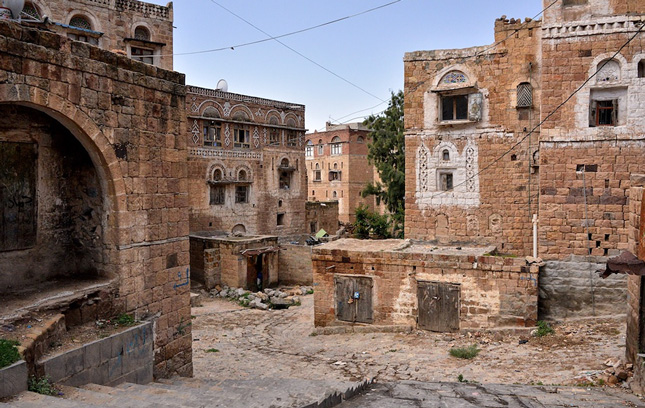
Yemen’s Collapse a Result of Systematic Failures, U.S. Neglect
›April 2, 2015 // By Wilson Center StaffIt shouldn’t come as a surprise that Yemen has collapsed – again. A country that has split and been pulled together before, has the youngest and fastest growing population in the region, is running low on oil and water, and possesses a “personalist” government rather than stable institutions, was on the top of every expert’s list as the fragile state most likely to fail next.
-
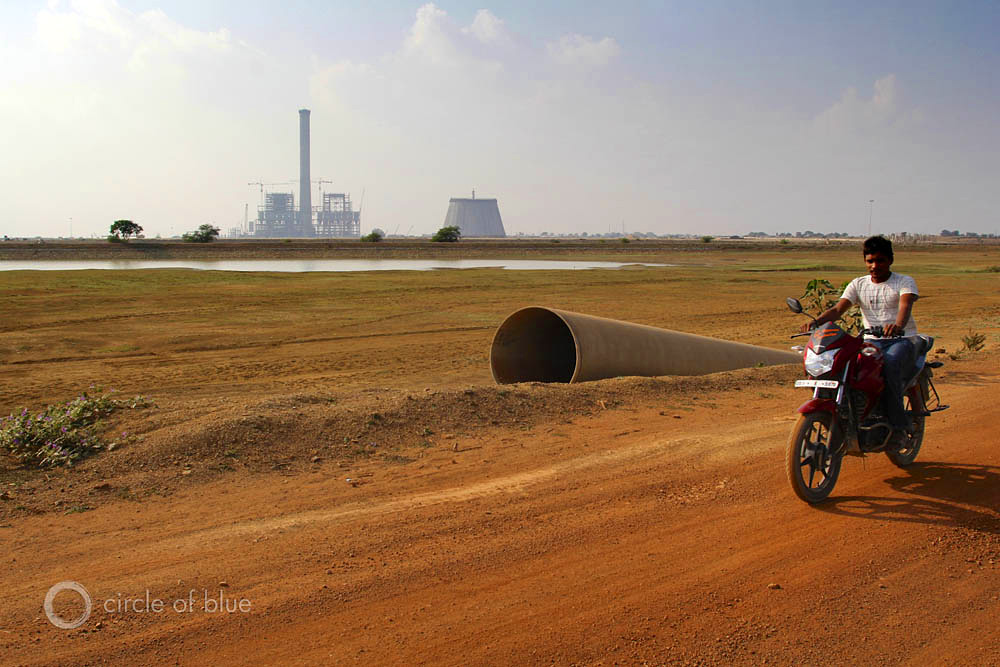
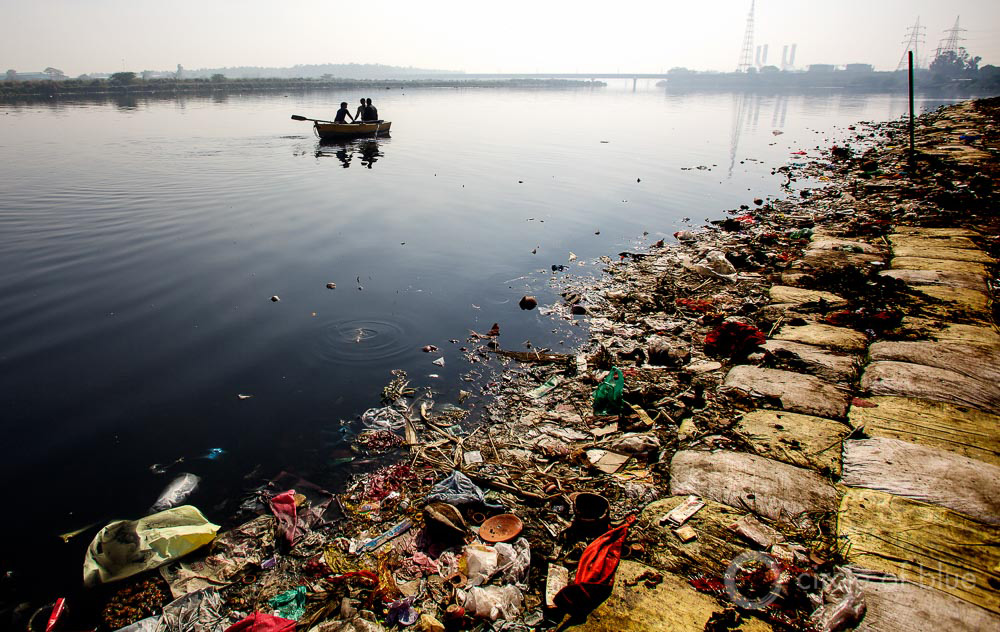
What Can Be Done to Strengthen India’s Natural Resource Management? [Part 2 of 2]
›For two years, the Wilson Center and Circle of Blue have explored the contest for food, water, and energy in India and the troubling ways it plays out across the country. In part one of this series outlining our findings, we explained the basics of India’s natural resource management choke point.
-
India’s Food, Water, Energy Conundrum: Conclusions From a Two-Year Reporting Project [Part 1 of 2]
›For two years, the Wilson Center and Circle of Blue have explored the contest for food, water, and energy in India and the troubling ways it plays out across the country.
-
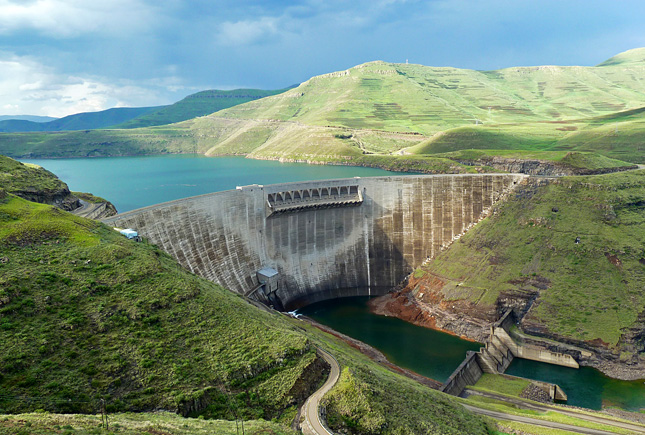
World Water Day: A Wellspring for Sustainable Development
›This year’s World Water Day is taking on a broader theme than years past: sustainable development. The theme makes sense as two major international processes – the drafting of the Sustainable Development Goals to replace the Millennium Development Goals, and the most anticipated UN Climate Summit in years – are taking place in 2015. Decisions made over the next nine months will play a huge role in relationships between nations and global development priorities going forward.
-
SAM EATON, PRI’S THE WORLD
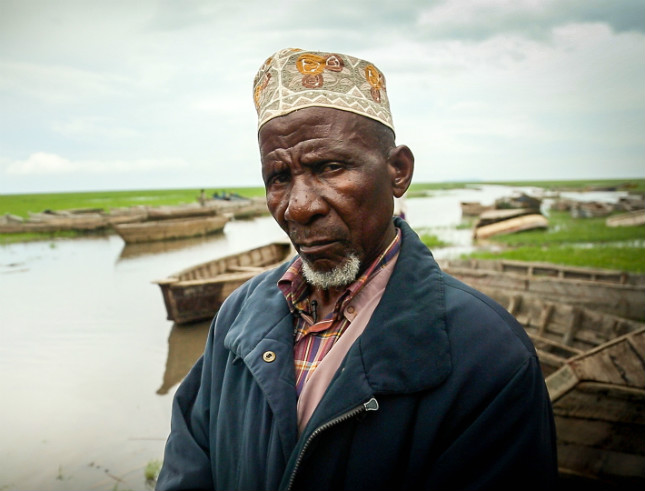
In Malawi, Attitudes Toward Family Planning Shift After Flooding, Hunger
›March 18, 2015 // By Wilson Center StaffFor two villages in southern Malawi, climate change and contraception have become intertwined. So much so, that long-held cultural assumptions are starting to change.
Showing posts from category population.